



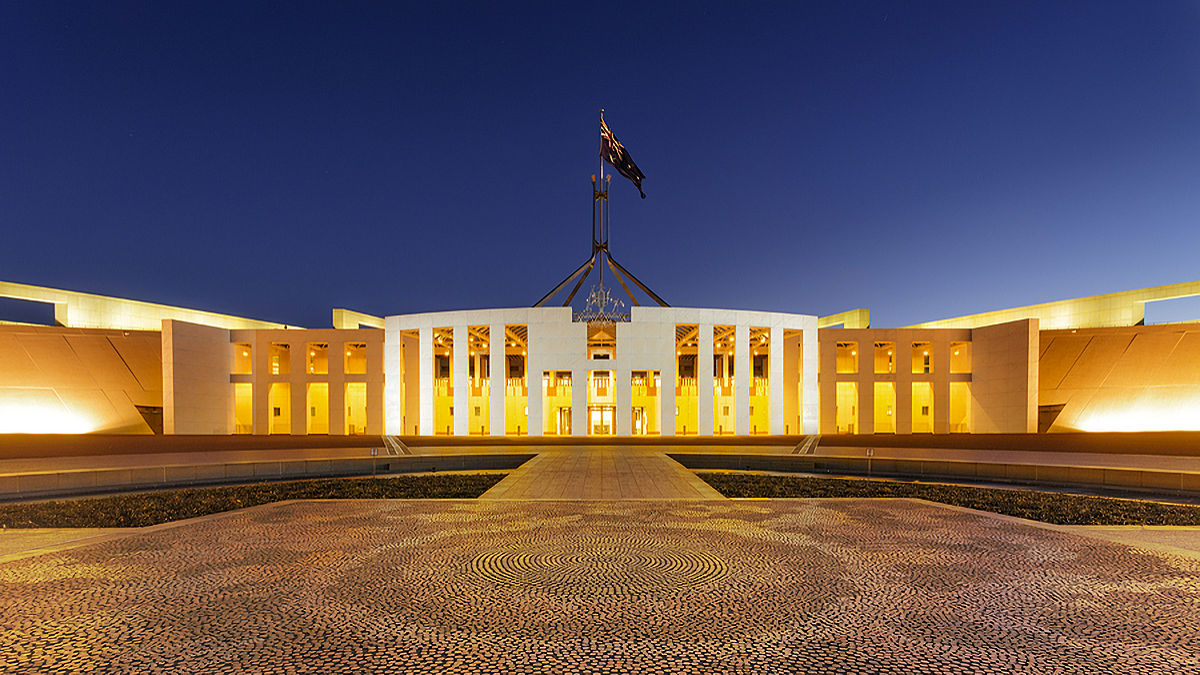
Australia’s National Intelligence Community Aggregated With AFP, Home Affairs, ACIC And AUSTRAC.
Australia’s National Intelligence Community Aggregated – Legislation introduced by Australia’s Attorney General, Michelle Rowland, will place the full national intelligence community under formal oversight.
The legislation will expand the remit of the Inspector-General of Intelligence and Security (IGIS) and the Parliamentary Joint Committee on Intelligence and Security (PJCIS). For the first time, this oversight will include the Australian Federal Police (AFP) and the Department of Home Affairs, as well as AUSTRAC and the Australian Criminal Intelligence Commission (ACIC).
The Strengthening Oversight of the National Intelligence Community Bill marks Rowland’s first legislative move as Attorney General and follows a multi-year effort to broaden scrutiny of intelligence functions embedded within policing and domestic security agencies. Initially proposed in 2017, the reforms were shelved in 2019, revived after a 2024 review, and reintroduced last year before lapsing. The current bill reflects growing bipartisan and institutional recognition that existing oversight, while robust, must evolve alongside the expanding scope and capability of the intelligence community.

“The existing oversight regime is strong but as the national intelligence community evolves to meet the complex and dynamic security challenges it faces, the oversight framework must move with it,” Rowland said.
Australia’s National Intelligence Community Aggregated
The bill also strengthens PJCIS powers, allowing it to request IGIS investigations, receive direct briefings from the Director-General of National Intelligence, and initiate its own legislative reviews. The changes follow ASIO’s public warnings about a period of “strategic surprise and security fragility”, as well as growing use of artificial intelligence and the rollout of a national Top Secret cloud.
Additionally, the bill introduces legal immunity for Australian Defence Force personnel conducting authorised foreign cyber operations, provided they reasonably believe the activities occur outside Australia. “These reforms are necessary to ensure that the ADF can utilise cyber capabilities for activities connected with the defence and security of Australia,” the explanatory memorandum states. Defence officials remain fully liable for unauthorised or domestic operations conducted without lawful authority.
You can learn about IGIS here, discover the Parliamentary Joint Committee on Intelligence and Security here, or read more SEN news here.
“Australia’s National Intelligence Community Aggregated With AFP, Home Affairs, ACIC And AUSTRAC.”