



Can You 3D Print Security Components For Custom Installations Including Brackets And Fittings?
Can You 3D Print Security Components For Custom Installations – We would say yes, you can use 3D printing to make custom brackets and fittings to increase flexibility in your electronic security solutions.
Stuff like custom brackets, housings, shrouds, and adaptors may be idea where off-the-shelf hardware does not suit the demands of the site, which may have tricky mounting points. Typical applications include camera mounting on irregular surfaces, adjustable sensor mounts or location -specific sensor mounts, intercom trims, reader spacers, cable management clips and enclosure modifications.
When it comes to 3D printing of components, the process is straightforward in concept, but it requires care in execution. Training and experience are required for the best outcomes. Typically, components are designed in CAD software, exported as print files and produced using desktop additive manufacturing systems – the fused deposition modelling (FDM) is most common. Materials used include PLA, ABS, PETG and nylon – each of which has with different strength, temperature and environmental characteristics. For outdoor or semi-exposed environments, you’d be elevating UV resistance, thermal stability and moisture absorption (none) properties.
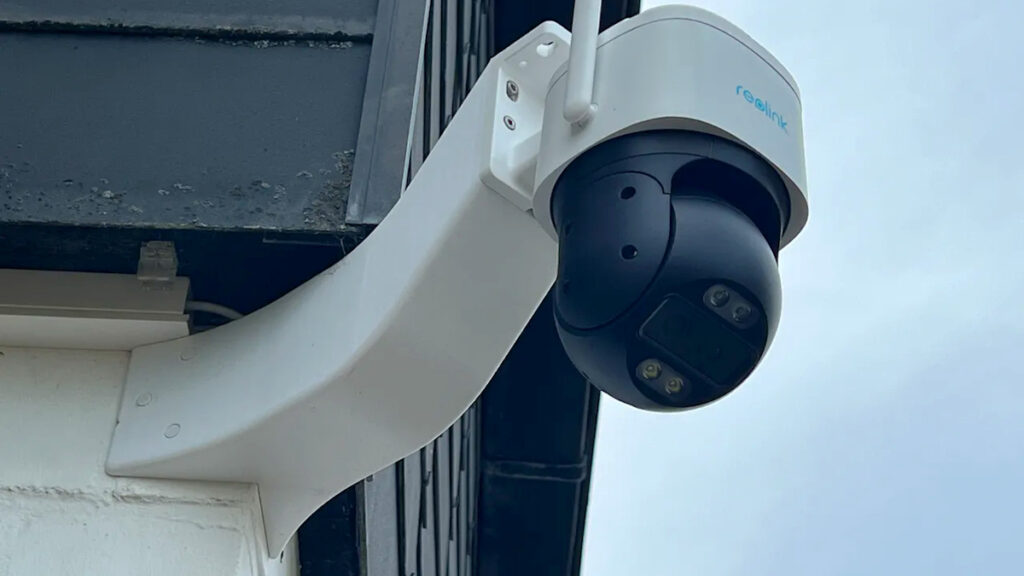
If you are designing brackets that will include devices mounted at height that weight kilograms you need to think about safety compliance and we’re not going to pretend to be across the rules. It goes without saying, however, safety comes first.
Complicating things, there’s no single standard governing 3D printed parts for security installations – instead relevant requirements sit within broader frameworks including AS/NZS 3000 for electrical safety and segregation, and installation practices aligned with equipment standards such as AS/NZS IEC 62676 for CCTV mounting and field of view. Where components support access control or door hardware, they must not interfere with compliance to fire and egress requirements under the National Construction Code. If you think this is all a bit oblique, so do we.
Given the opacity of standards, design becomes the critical step. Printed brackets must account for load, fixing method and environmental exposure. Layer orientation in 3D printing introduces anisotropy, meaning parts are weaker along layer lines. Poor orientation or insufficient wall thickness can lead to failure under load or vibration.
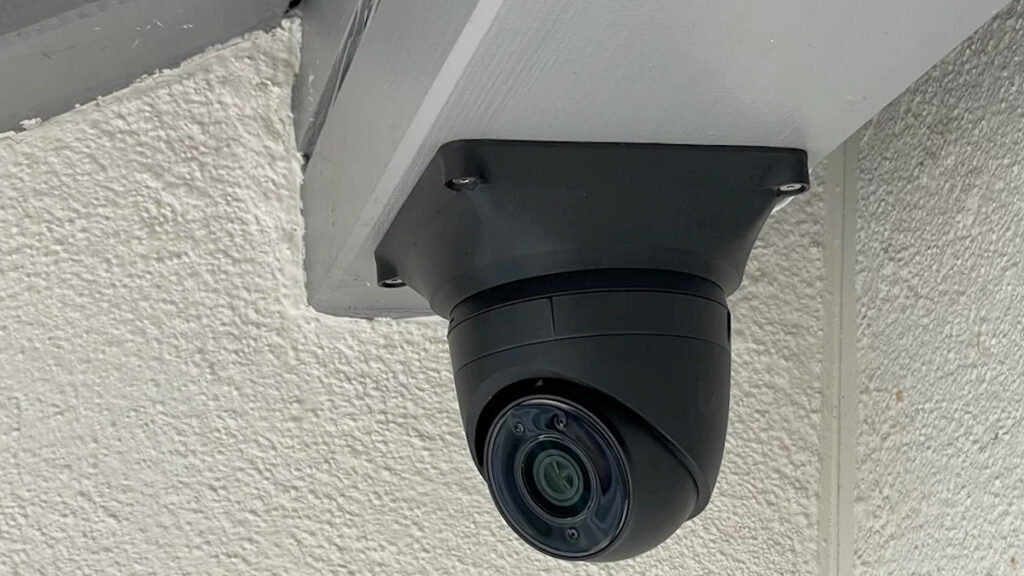
Mounting points must distribute stress, and designs should avoid sharp internal corners that act as fracture points. Where cameras are mounted, the bracket must maintain alignment and resist movement over time to preserve field of view and image quality. We’d be thinking of developing our own procedures and standards, as well as undertaking stress testing over time to ensure what we were producing was of the highest standard possible.
Techs doing 3D printing need basic CAD capability, an understanding of material properties and familiarity with printer setup, including temperature, layer height and infill density. Post-processing, such as drilling, tapping or inserting threaded fasteners, will be needed to achieve a usable product. You will likely end up creating a small library of proven designs rather than building parts from scratch for every job.
There are significant benefits to 3D printing components for electronic security applications. 3D printing enables rapid production of site-specific components, reduces reliance on improvised solutions, removes the supply chain entirely – who doesn’t want that – and can improve finish and consistency. It also allows installers to resolve mounting challenges without delays associated with fabrication or procurement from distant suppliers, particularly in retrofit environments or heritage sites where standard brackets are unsuitable.
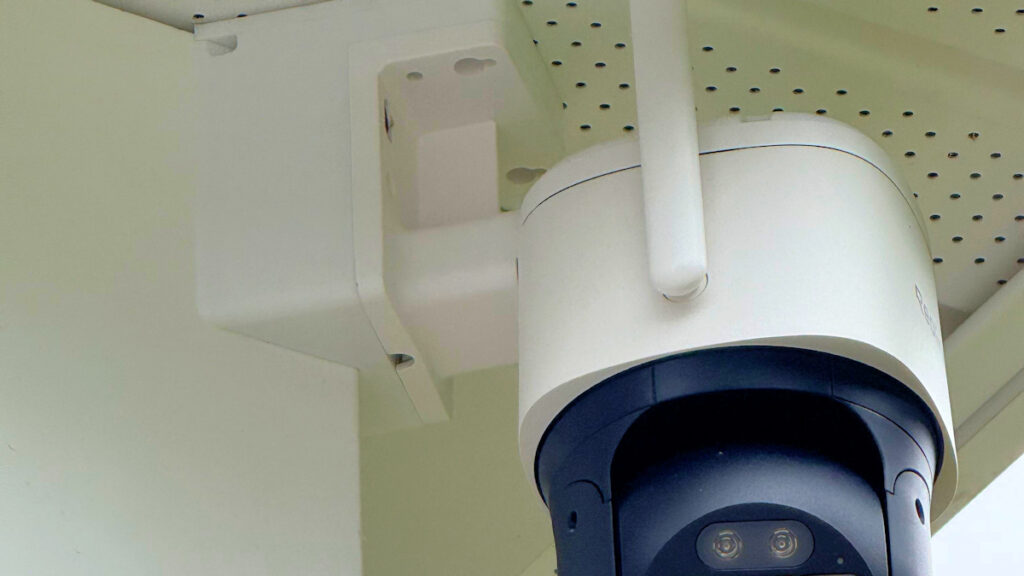
Management must look hard at governance. Mechanical failure of a bracket could lead to equipment damage, loss of coverage or injury if a device falls. In electrical environments, poorly designed components can expose cabling, compromise segregation or create pinch points. Materials not suited to temperature or UV exposure may degrade, leading to delayed failure.
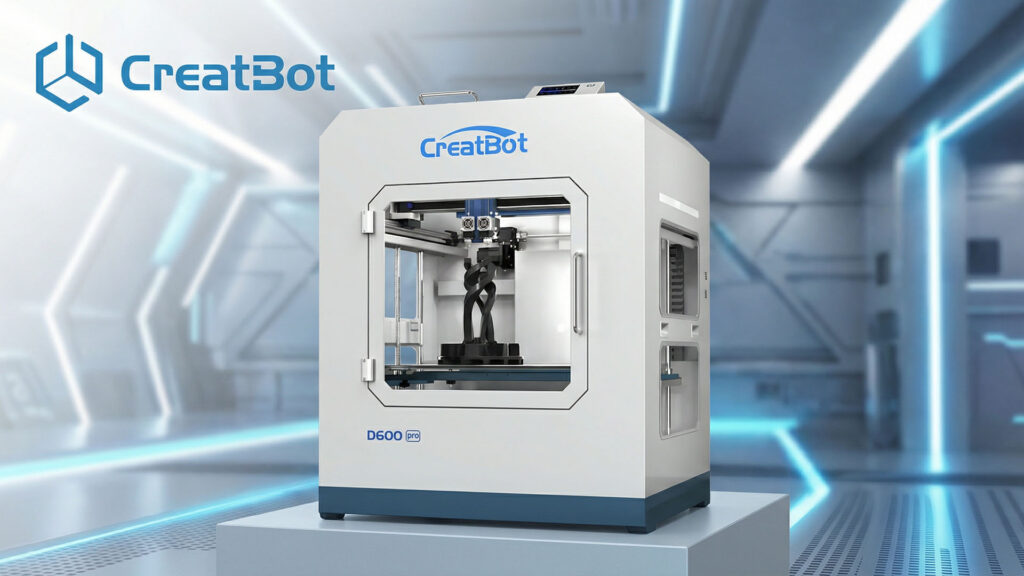
For these reasons, printed components should be treated as engineered parts, with conservative design margins and appropriate testing before deployment. We tend to think this argues for serious investment if you’re serious about 3D printed components – something like a CreateBot D600 would be an idea solution to create brackets for pro-grade electronic security applications.
You can learn more about a quality 3D printer here or read more SEN news here.
“Can You 3D Print Security Components For Custom Installations Including Brackets And Fittings?”