

Can You Use A Standard PIR Sensor Outside Or Must You Deploy External Sensors?
Can You Use A Standard PIR Sensor Outside – Is it viable to use typical indoor PIR and dual technology sensors in external environments?
A: An average inexpensive passive infrared receiver is fine in a stable internal environment. If it has well-designed circuitry then it’s going to be able to handle popcorn noise and the other distractions that can cause false alarms indoors. Go outdoors, however, and things are likely to get weird.
Some PIRs have EMI, RFI and white light protection and with clever pulse count and/or sensitivity settings (you’d need to tweak these in summer) a good installer could handle covered external jobs. Sadly, the sun is not the only problem for PIRs. There’s rain, too.
Anything you install outside needs to be able to handle greater insect numbers, wildlife, pets, damp, dust and physical abuse. Could you bind up a simple PIR with sealant (conformal spraying the circuit board first), and use custom settings to get adequate performance outdoors in summer under covered areas? Yes, you could.
The difference between higher quality PIRs and the run-of-the-mill units includes things like digital signal processing, superior circuit design, improved lens and/or mirror design, dust and insect proofing, high quality quad pyroelectric elements, and additional cost.
A key question is whether PIRs that have been built to handle tough environments are going to be more capable outside than similarly priced dual technology sensors, some of which may be relying on 2 technologies to support less discerning sensor designs.
Outside, allowance must be made for managing potential activations caused by pets and wildlife, like birds, flying close to the sensor. That means there will be a trade-off in terms of sensitivity. PIRs are not happy in strong sunlight but too much tweaking with PIR sensitivity and it might be possible to walk past them without detection toward the edges of their maximum reach.
You also need to keep dual technology sensors away from perimeter fences where the microwave could pick up activity outside your chosen target area, spending considerable time in alarm and making the PIR side more vulnerable to false alarm triggers like sunlight.
We think it’s better to buy one high quality, high-cost external sensor ($100-200) for an outdoor application, than to buy 2 or 3 low-cost sensors ($20-30) and risk coming back once to resolve false alarm issues. We’d also be considering dual technology sensors that incorporate microwave and PIR technologies, but we’d bear in mind there are high quality sensors that use PIR only.
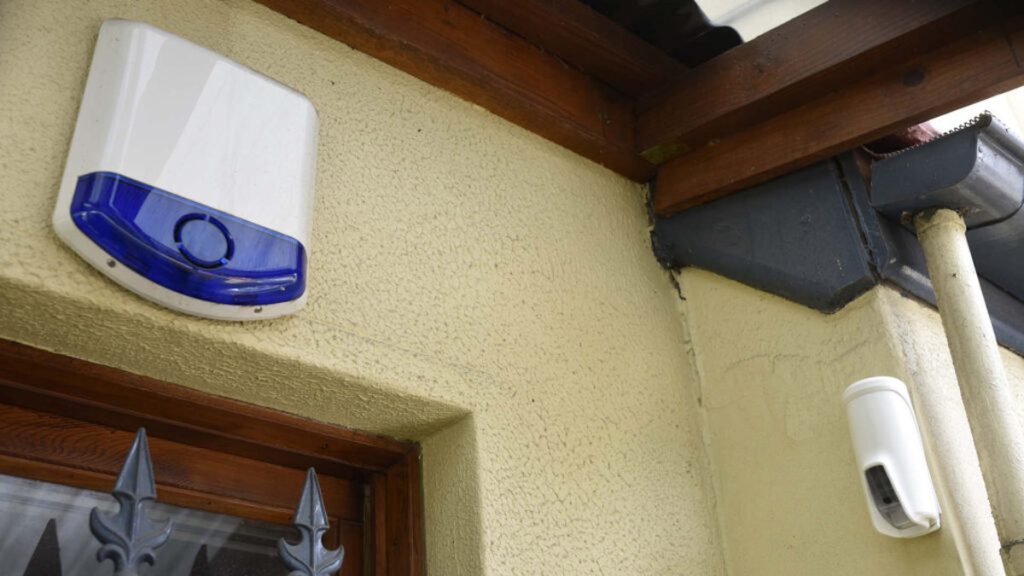
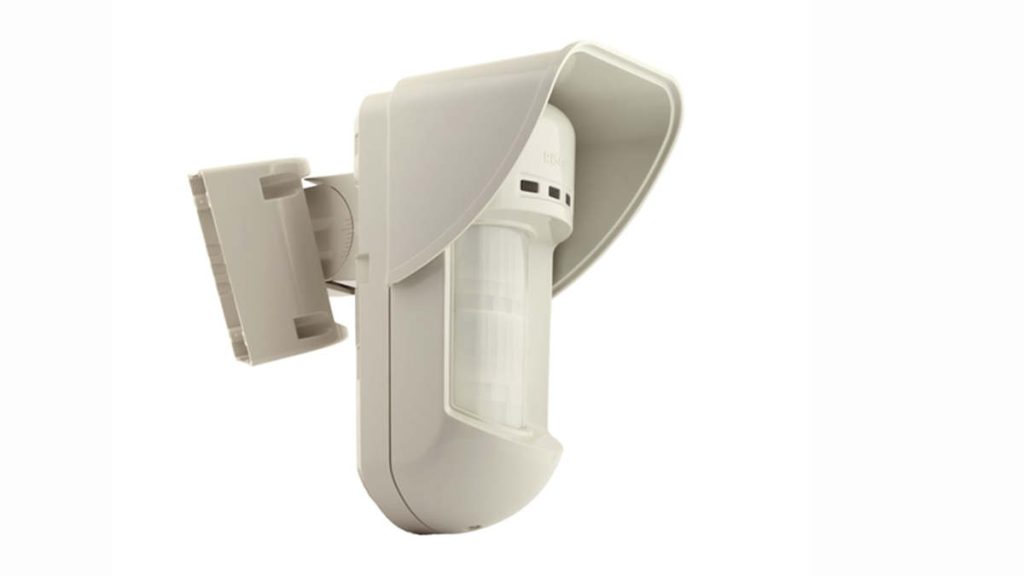
High end external sensors give a lot of performance for the money and integrate easily with standard alarm panels. Install them with sympathy and be prepared to move them around during a longer than usual commissioning period and to tweak sensitivity for local and seasonal conditions.
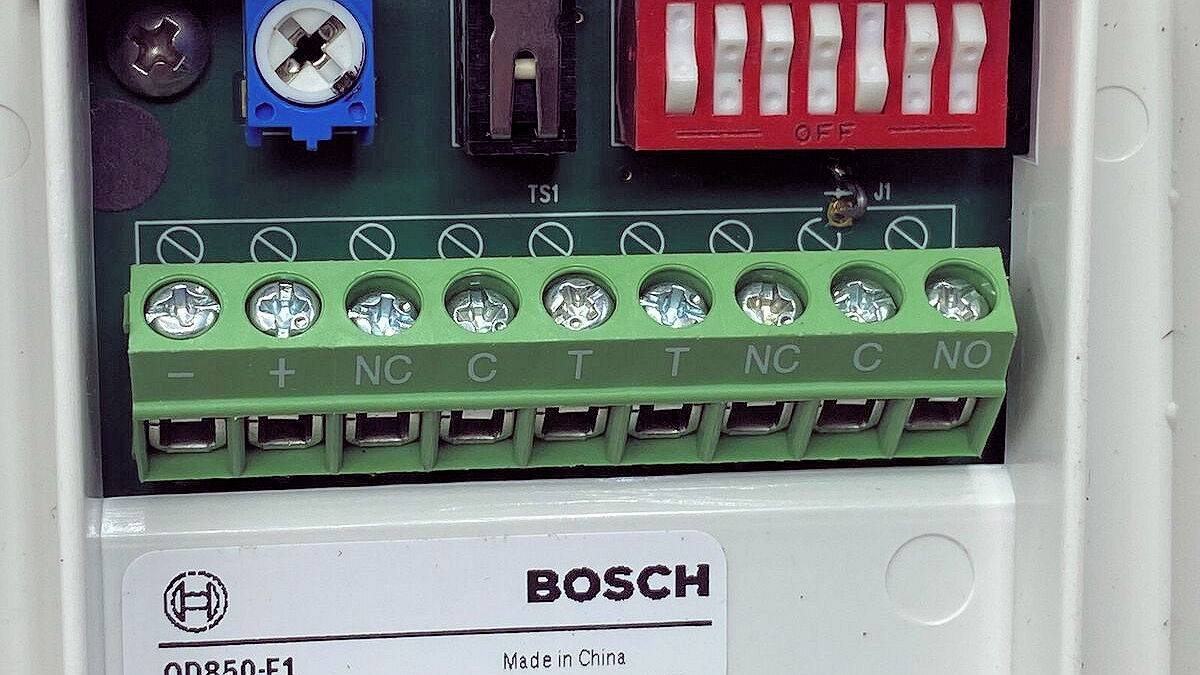
When it comes to choices, think Rokonet WatchOUT, Bosch OD850, Paradox DG85, or one of the Ajax outdoor sensors, and don’t be afraid to use a curtain sensor that allows you to shape the detection zone, something like the DSC PowerG Wireless Advanced Curtain, for instance.
This sensor uses PIR detection and our experience suggests it has excellent resistance to false alarms while retaining catch performance. We like to deliberately leave the alarm on when we arrive in hot weather – we’ve measured 50C in the walled courtyard – just to see at what extremes of temperature this curtain can nail us. It hasn’t missed yet.
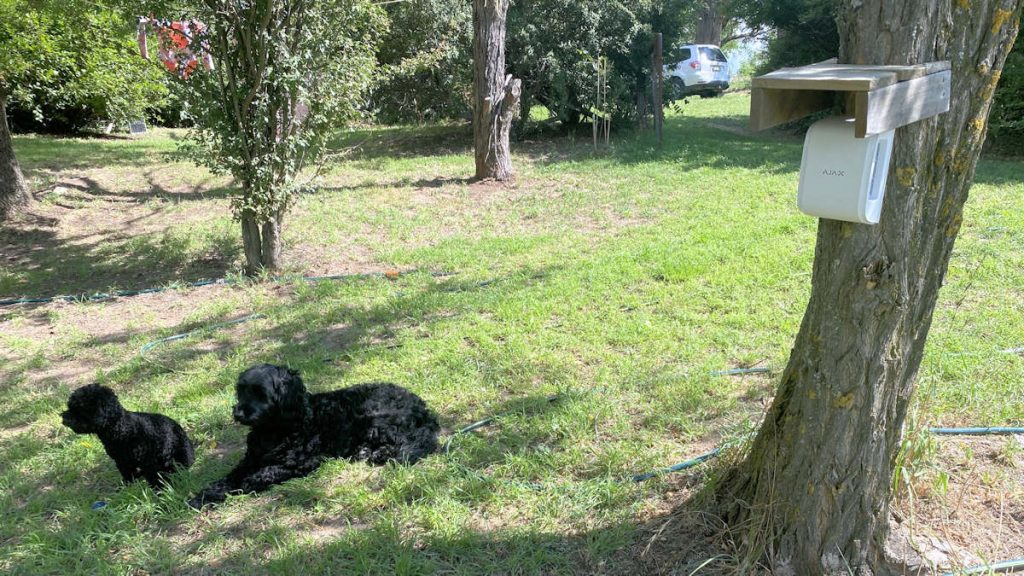
We use an Ajax Dual Curtain PIR in another application. This sensor features dual PIRs on each side and offers a 15-metre range each way. It’s ideal if you need to cover 2 approaches from one mounting point, which is perfect for us. This sensor is IP55-rated, rather than IP66, yet has survived all sorts of insults with just a basic timber shroud, including temperatures from -10 to 45C, as well as being torn off its mount by the tray of a reversing Toyota ute.
You can learn more about the Bosch OD850 here, find the PowerG Curtain here, find the Rokonet WatchOut here, the Hikvision Outdoor TriTech is here, the Paradox DG85 here, the Ajax Dual Curtain here, or you can read more SEN news here.
“Can You Use A Standard PIR Sensor Outside Or Must You Deploy External Sensors?”