

Defence Procurement Restructure Will Impact Security Tendering Process.
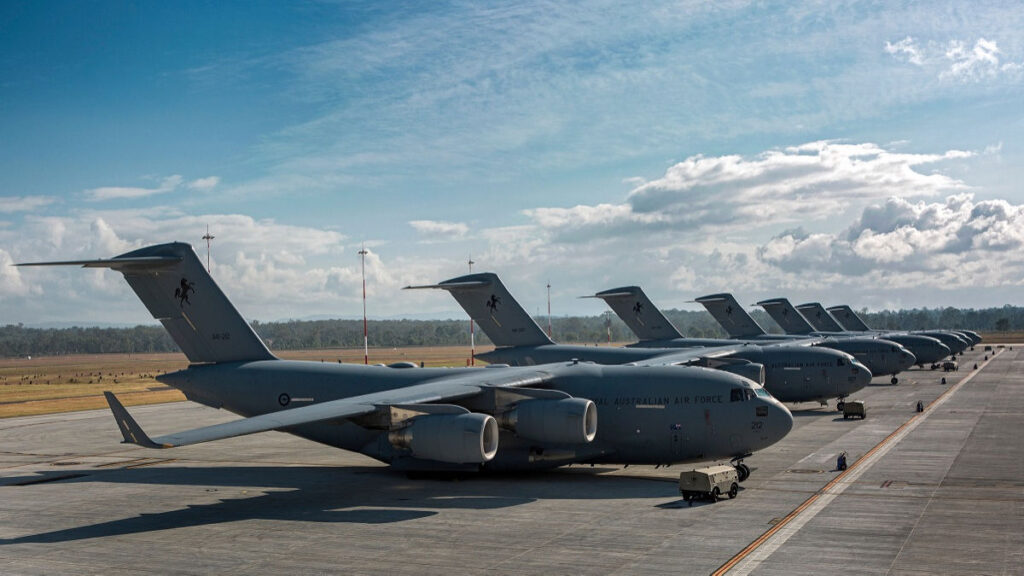
Defence Procurement Restructure Will Impact Security – A significant restructuring of Australia’s defence procurement has consolidated multiple delivery groups into a single Defence Delivery Agency (DDA), a move certain to impact on Defence security tendering processes.
For the security and defence integration sector, the change arrives at a time of rising national security spending and increasing project complexity. The DDA will hold budget authority and delivery responsibility for programs worth $A100 billion annually by 2035, creating a centralised gateway for tenders previously run across multiple groups. The shift is certain to impact on security integrator and consultant contacts in government, which are in a state of flux at the most stable times.

The new agency will take over procurement oversight from the Capability Acquisition and Sustainment Group, the Guided Weapons and Explosive Ordnance Group, and the Naval Shipbuilding and Sustainment Group from July 2026. A national arms director will lead the DDA and report to the defence and defence industry ministers.
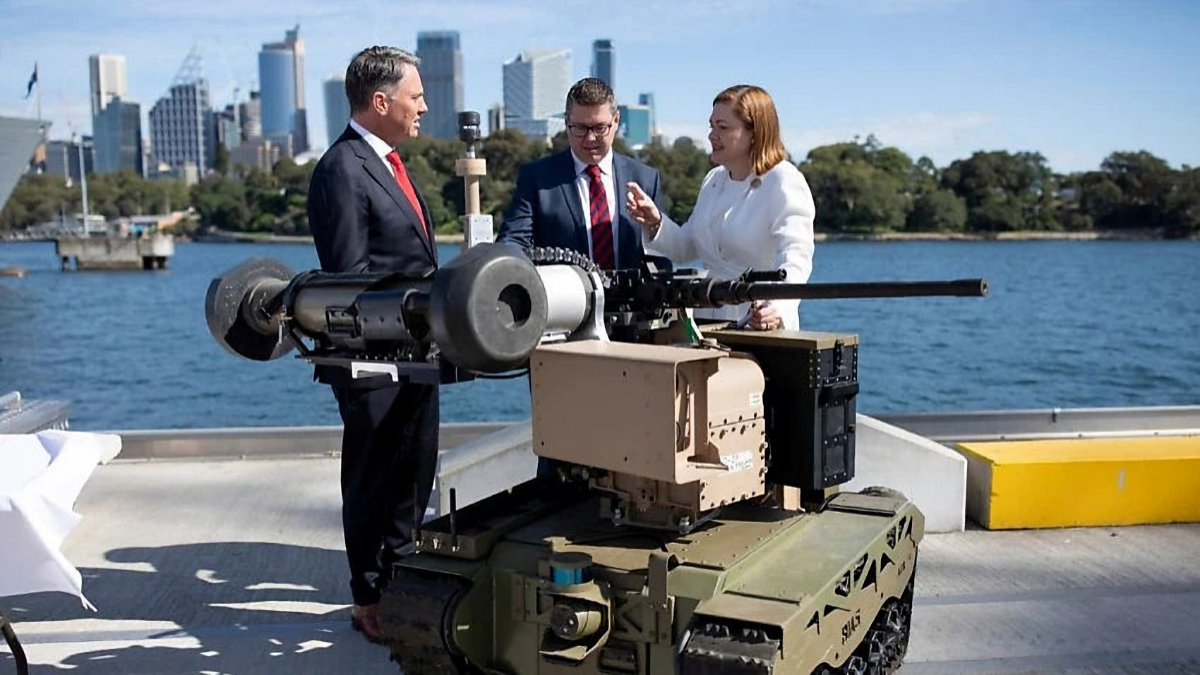
Defence minister Richard Marles said the structure is intended to impose greater discipline on procurement and improve visibility of risks across major projects. He said it would deliver “a much bigger bang for buck for the Defence spend”.
“It will mean advice comes to government much earlier in the process about the challenges that are facing any particular project so we can ensure those projects are delivered on time and on budget,” Marles said.
The shift creates the prospect of a more centralised tendering environment, with all major defence procurements passing through the same agency. While intended to stabilise planning and reduce overruns, centralisation may further concentrate work among large incumbents already positioned within Defence’s commercial structures.
Defence Industry minister Pat Conroy said the DDA would recruit “strong industrial and commercial skills” from the private sector, reinforcing expectations that complex, high-value projects will continue to dominate the pipeline.
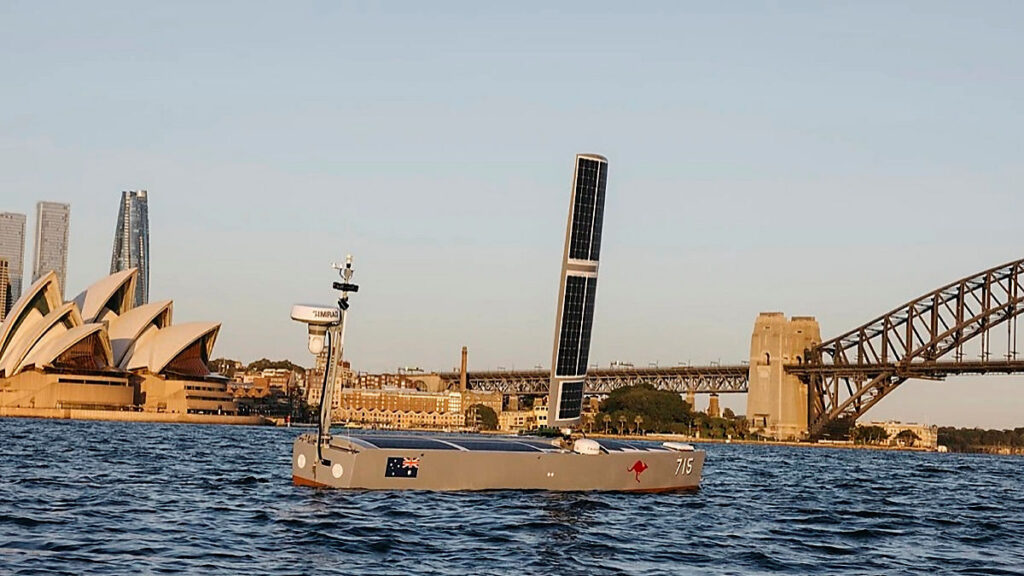
Conroy noted that projects classified as complex now comprise 60 per cent of Defence’s procurement workload, more than double the 2010 level. Programs such as the Ghost Shark submersible and the RAAF Ghost Bat drone were cited as examples of systems driving this trend.
Mike Johnson, chief executive of the Australian Industry Defence Network, supported the reform but emphasised the importance of leadership. Johnson said the incoming changes were the most significant in half a century, adding that the agency’s success would depend on the right person heading it. Johnson said the DDA could improve oversight and reduce administrative costs but added that its effectiveness would only be proven over time.
Greens spokesperson on Defence David Shoebridge criticised the restructure, stating, “the same group of people who have overseen Defence’s procurement mess are the same people who will head this new agency…that is not fixing an issue, it’s just moving it along and popping a different name tag on it.”
Industry concerns have already surfaced following recent strategy and review processes. The Australian Strategic Policy Institute reported that some companies had become wary of Defence after losing “millions” in cancelled programs following the Defence Strategic Review and the National Defence Strategy.
While the increases in overall defence spending will mean more security spending, for smaller security integrators seeking to enter the defence and national security market, a single agency overseeing all major procurement streams may make access more difficult if tender structures increasingly favour scale, specialist compliance, and long delivery histories.
That said, smaller providers with greater flexibility, clever technology and tight trusted local supply chains may bring compelling strengths to the negotiating table that larger providers could struggle to deliver.
You can read more from Australia’s defence ministers here or find more SEN news here.
“Defence Procurement Restructure Will Impact Security Tendering Process.”