


Is Safe Work In A Live Electrical Environment Possible If The Customer Refuses To De-energise?
Safe Work In A Live Electrical Environment – There are industrial, commercial and government applications in which you will not be thanked for popping off the mains to undertake a spot of cabling. As a result, security technicians are sometimes going to feel pressured to work in live electrical environments.
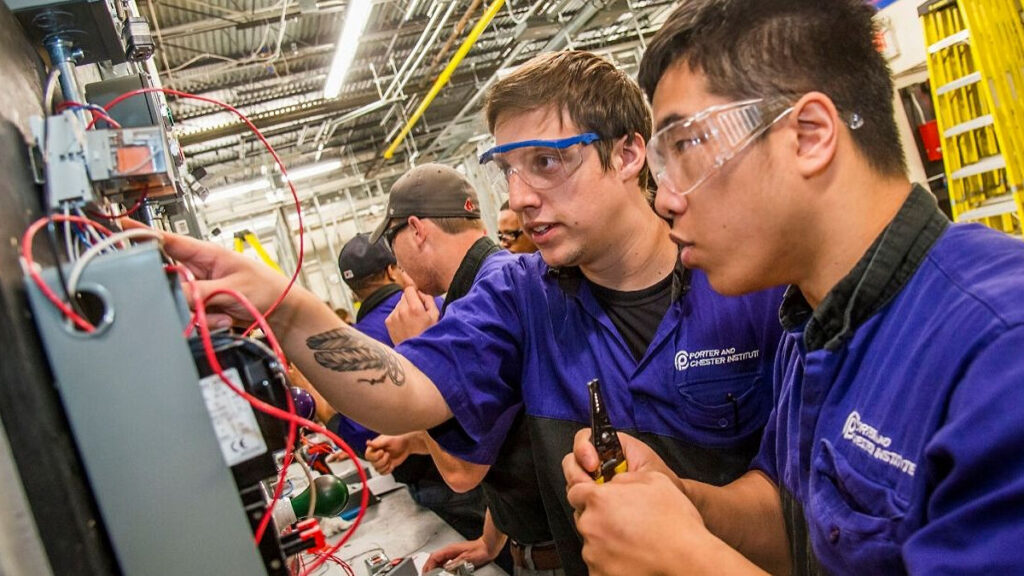
Is safe work in a live electrical environment is possible? For a start, working in a live electrical environment is tightly controlled and the central rule is that you never work live unless there is justification, authorisation, a safe work method statement, and more.
Will the boys on the factory floor thank you for bringing any of this up? Probably not – but the risks are too great to ignore, particularly with significant tightening of safe work regulations over the last couple of years.
The relevant documentation includes AS/NZS 4836 2023 – Safe working on or near low-voltage electrical installations and equipment. This is the primary standard and sets out requirements for working on or near LV systems. This includes isolation procedures, lockout and tagout, testing for de-energised status, approach distances, PPE, and when live work may be permitted. It makes clear that energised work is only allowed when it is not reasonably practicable to de-energise.
You should also consider AS/NZS 3000 – Wiring Rules – these govern installation of electrical systems but also reinforce safety requirements around design and access that affect how work can be safely carried out.
Next comes AS/NZS 3760 – In-service safety inspection and testing of electrical equipment – this one is relevant for ongoing maintenance and testing of equipment, including ensuring items are safe before interaction. Further bedtime reading includes AS/NZS 3012 – Electrical installations on construction and demolition sites, which applies where temporary installations are involved, including site switchboards and protection systems.
There are also Work Health & Safety Regulations – these sit above the standards and are legally enforceable – any customer or contractor who puts workers in an unsafe environment will rue the day if anything goes wrong.
Key points of WH&S:
- You must eliminate risk so far as reasonably practicable
- De-energisation is the default control
- Live work requires formal justification
- A safe work method statement (SWMS) or equivalent risk assessment is required
- You need competent, licensed persons
- You must implement isolation, testing, and verification.
There’s also state-based electrical safety legislation that reinforces the prohibition on live work unless justified and adds enforcement mechanisms.
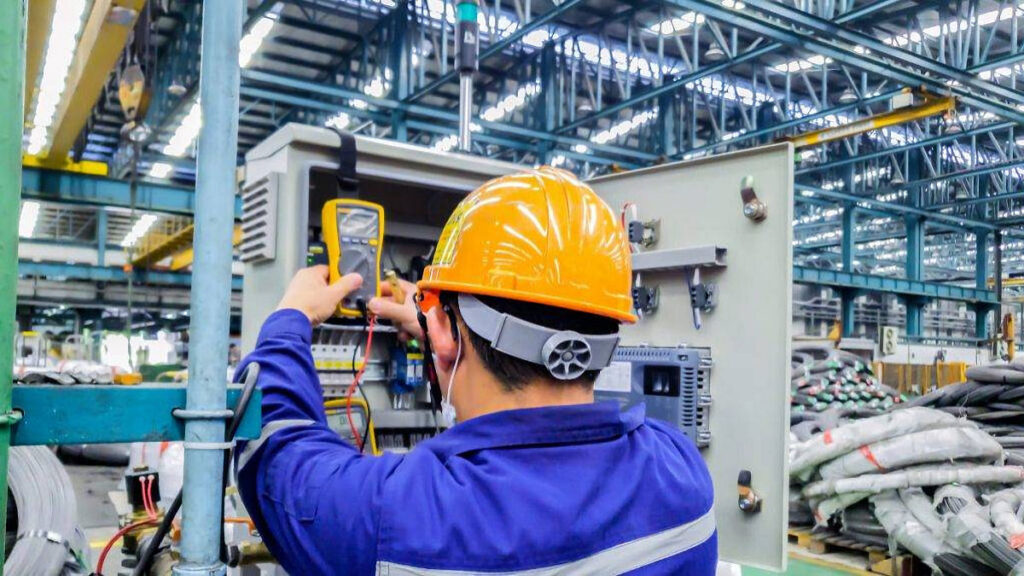
If work must be done energised, the following are expected:
- Documented justification why it cannot be de-energised
- Formal risk assessment and approval
- Defined exclusion zones and approach distances
- Insulated tools and appropriate PPE (arc-rated clothing, gloves, eye protection)
- A safety observer in many cases
- Verified testing procedures before and after work.
Anyone routinely working live without paperwork, isolation attempts, and controls, is operating outside the standard and in the event of serious injury is going to face criminal charges and monstrous fines. The bar is high and most compliant organisations treat live work as an exception, not part of a routine workflow.
If there’s any chance a circuit is live, the starting point under AS/NZS 4836 and WHS law is simple: treat it as energised until you have proved otherwise. If you’re being told not to isolate, you’re in live work territory, and that carries a higher duty of care and documentation.
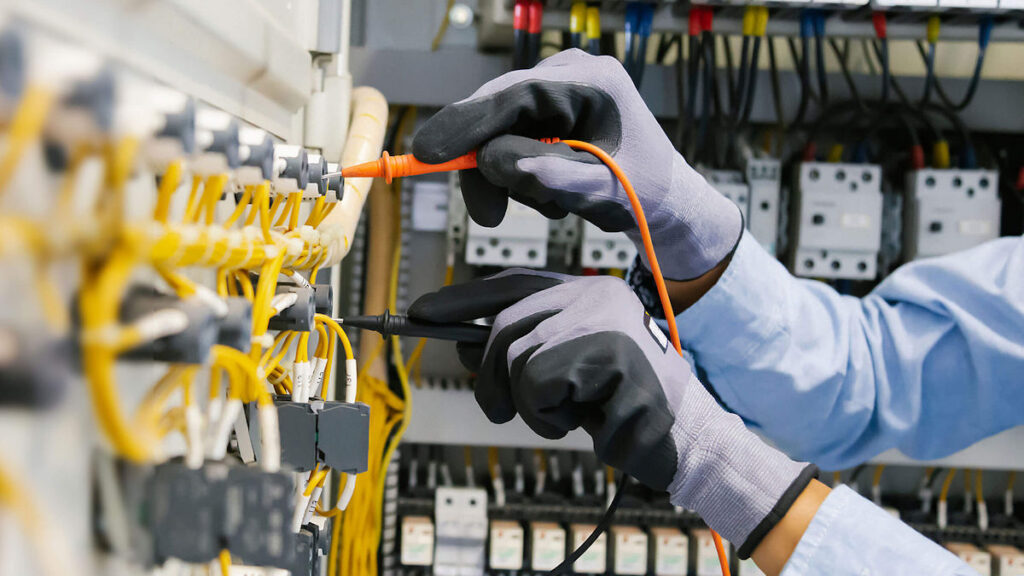
Here are the practices that matter in the real world. First is verification, not assumption. You test before you touch. Use a properly rated voltage tester or multimeter, prove the tester on a known live source, test the circuit, then re-prove the tester. Non-contact pens are not sufficient on their own. If you cannot verify the circuit is de-energised, you treat it as live.
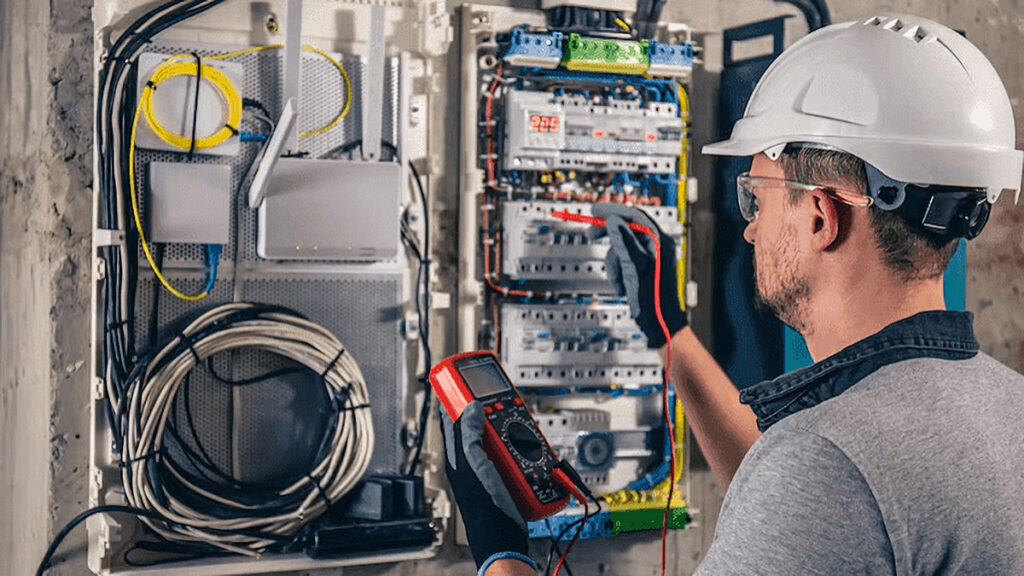
Second is isolation wherever possible. Even in industrial environments where operations resist shutdown, the obligation remains to push for isolation. That means identifying the correct circuit, switching off, locking and tagging, and confirming dead. If the organisation refuses isolation, that decision needs to be formally documented because it shifts risk back onto them and the contractor.
Third is approach discipline. Keep clear of exposed conductors and maintain safe approach distances. Don’t reach across live gear, don’t work one-handed inside crowded panels, and avoid creating a path to earth across your body. Plan your physical position before you start.
Fourth is appropriate PPE. For low-voltage environments this typically means insulated gloves (correct class and tested), safety glasses or face shield, and arc-rated clothing where there’s any switching or fault risk. Rubber mats are useful when you’re standing at a board. Rubber-soled boots help but are not a primary control. PPE is your last line, not your main defence.
Fifth is insulated tools and controlled work area. Use VDE-rated insulated tools which are more expensive for a reason – they are compliance tested to 10,000 volts. Keep the workspace dry and tidy. Remove jewellery, watches and conductive items. Control who is around you. In higher-risk situations, a safety observer should be present whose only job is to watch and act.
Sixth is RCD protection and circuit awareness. Where applicable, ensure circuits are RCD-protected and test the device. Be aware that not all industrial circuits are on RCDs, and DC or control circuits won’t behave the same way. Never rely on an RCD as protection while working live.
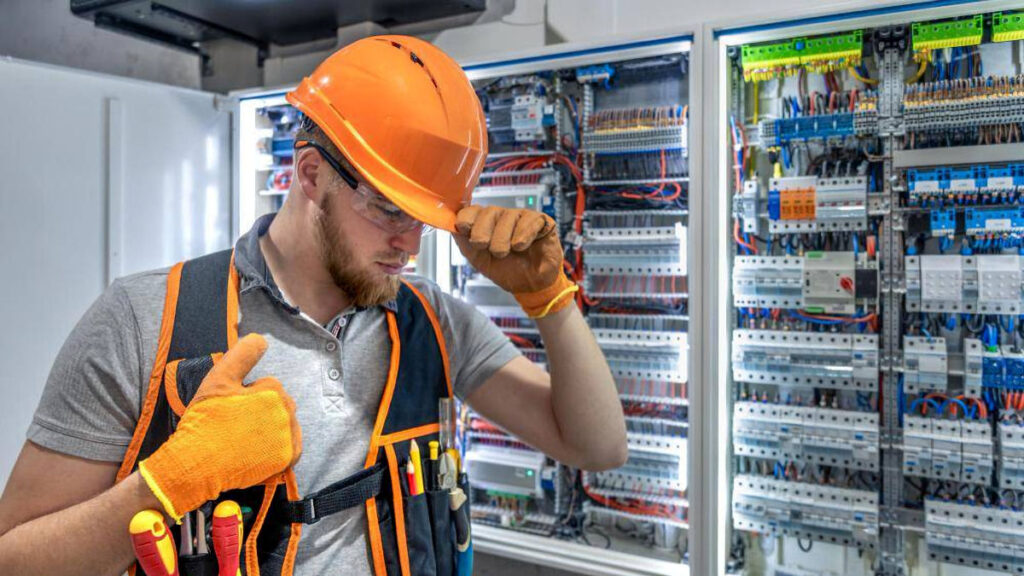
Seventh is documentation and authority. If live work is unavoidable, you should have:
- A documented risk assessment or SWMS
- A clear reason why de-energisation is not reasonably practicable
- Authorisation from the site or client
- Defined controls and emergency response.
If that paperwork doesn’t exist, the job is not compliant, regardless of what the boys on site say.
Finally, know your limits. If you are not licensed or the situation is outside your competency, stop. In mixed environments, like electronic security installs, it’s common to be undertaking SELV work near mains without being the one responsible for it but that does not remove your obligation to stay out of it.
An operation that refuses to plan electrical work during downtime cannot justify an insistence on working live. Any organisation that tries to do so is imposing a commercial constraint, not a safety control, and they are doing so at considerable professional risk.
If isolation is refused and risk can’t be controlled, the correct decision is to step back, document, escalate.
You can find a free version of AS/NZS 4836 2023 here or read more SEN news here.
“Is Safe Work In A Live Electrical Environment Possible If The Customer Refuses To De-energise?”