

What Is The Future of Access Control? Intelligence at the Edge, Hardened Cybersecurity, Open Architecture.
What Is The Future of Access Control? According to the 2025 Trends in Access Controllers Report by Mercury Security, part of HID, access control is undergoing a major transformation.
The report identifies 3 key drivers: increased edge intelligence, improved cybersecurity hardening, and the expansion of open, resilient ecosystems. These developments reflect a broader shift toward decentralised systems capable of supporting critical infrastructure in real-time under adverse conditions.

The report notes a shift from traditional centralised access control architectures to intelligent, decentralised systems. Older controllers, which acted as passive conduits forwarding data to central servers, are being replaced by edge-based controllers capable of hosting embedded applications.
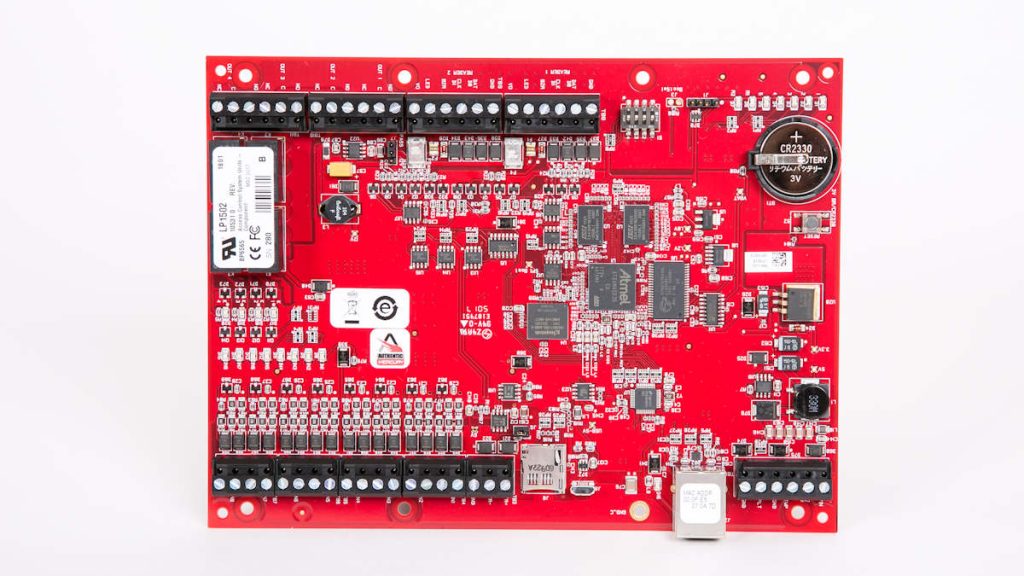
This change allows for localised decision-making, faster responses, and greater autonomy from central systems. Access control tasks such as door unlocks and alarm processing can now continue independently of network status. Local analytics, automation, and integration with third-party systems—such as IoT devices, lifts, or surveillance—are now supported directly at the controller level. This decentralised model reduces latency and increases system resilience, especially in environments prone to connectivity disruptions.
Cybersecurity was identified as a critical concern, with the report noting a growing risk exposure as physical security systems become more connected. In response, there is increasing demand for hardware that meets advanced IT security standards. This includes FIPS 140-3 encryption, TLS 1.3, certificate-based authentication, mutual TLS, and 802.1X network controls.
“Unpatched vulnerabilities can expose entire facilities; legacy encryption or open communication channels are no longer acceptable,” the report said.
Controllers that do not meet these expectations are increasingly being rejected in regulated sectors such as government, critical infrastructure, and healthcare.
The report also highlights growing demand for systems that avoid vendor lock-in. Proprietary solutions that restrict component choice or require bundled upgrades are being phased out in favour of open, standards-based architectures. These allow end users to select best-of-breed devices across credentials, sensors, readers, and surveillance platforms.
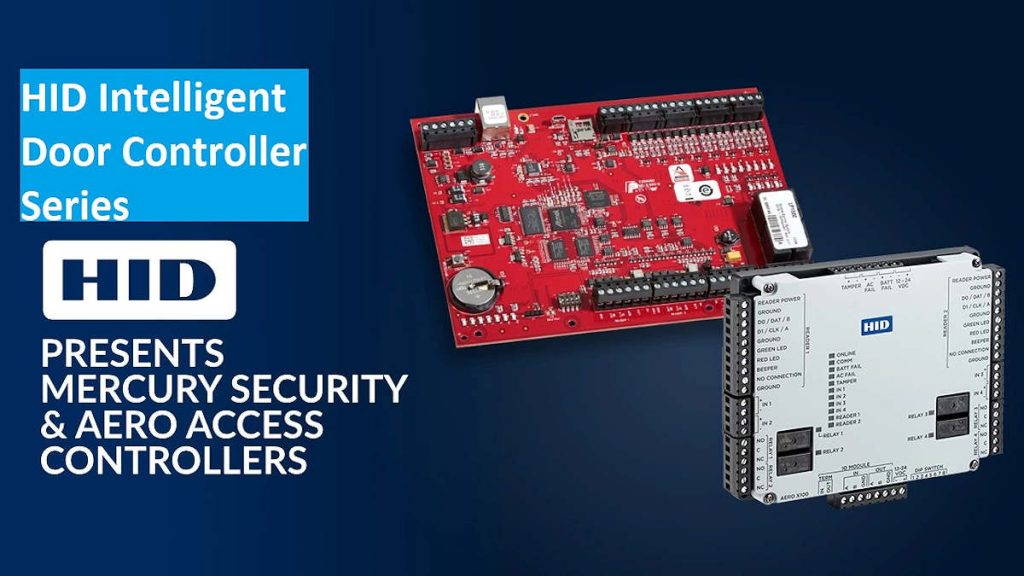
From a deployment perspective, openness allows integrators to offer broader solutions while keeping costs down and system life cycles long. For end users, the result is improved flexibility, innovation, and futureproofing.
The report’s findings are particularly relevant for organisations across the Asia-Pacific region. APAC continues to be a fast-growing market for smart infrastructure, encompassing high-tech manufacturing, digital banking, e-government, and remote industrial development. In these environments, network connectivity can be variable, and latency can affect safety and performance.
Edge-based access control systems allow facilities in remote zones, distributed campuses, or transport hubs to operate securely and autonomously. This ensures operational continuity even during network disruptions.
At the same time, national cybersecurity strategies are putting pressure on organisations to meet higher standards. As a result, operational technology, including physical security, is increasingly aligned with IT governance frameworks. This convergence means access controllers must now be evaluated against the same risk criteria as IT systems.
By adopting cyber-hardened, intelligent, and open access control infrastructure, organisations in the APAC region can meet current requirements and prepare for emerging challenges.
You can find out more about HID’s access control solutions here or read more SEN news here.
“What Is The Future of Access Control? Intelligence at the Edge, Hardened Cybersecurity, Open Architecture.”