

What’s The Easiest Way To Reduce Camera IR Flare In Video Surveillance Applications?
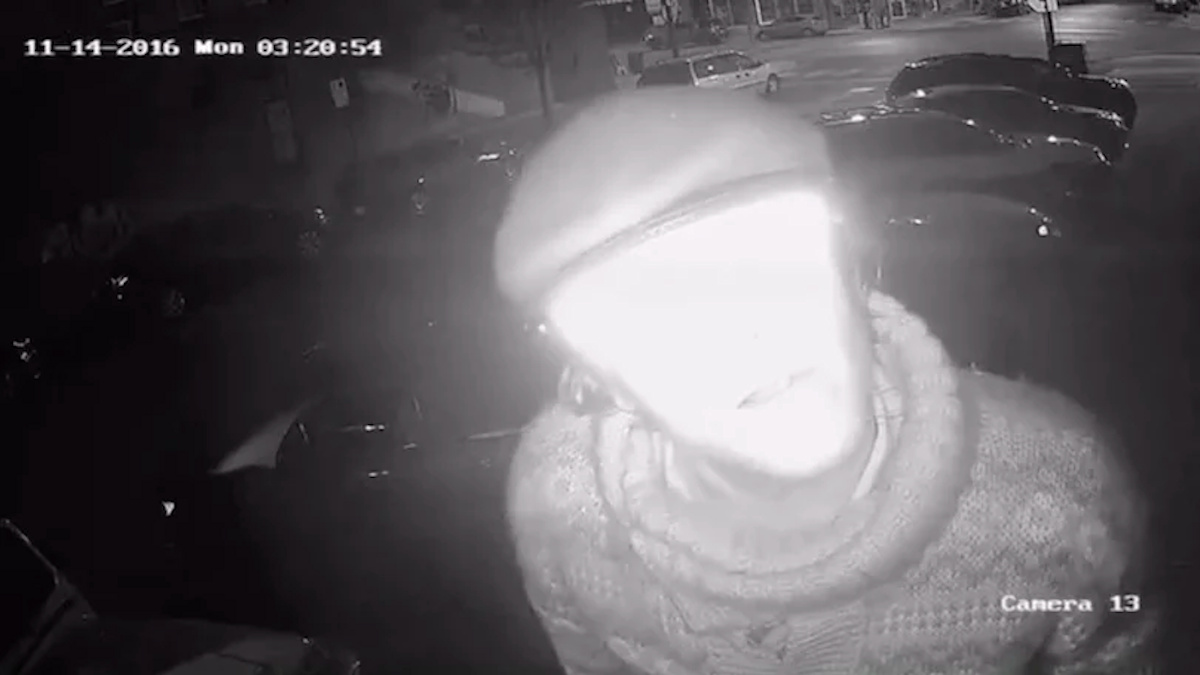
What’s The Easiest Way To Reduce Camera IR Flare – IR flare with CCTV cameras can be a real issue that renders cameras oblivious to key operational elements like useful identity – you can see there’s something in the frame but it’s impossible to see who.
IR flaring is a bigger issue with low-cost sensors already prone to blooming and smearing – low-cost consumer Wi-Fi cameras are especially prone to it in our experience, and it’s also a common characteristic of the CMOS sensors installed in PIR camera sensors when subjects get close to the camera – within a couple of metres.

Shooting from the hip and in no order, the best way to reduce flare is to have the IR luminary separated from the camera and positioned at angle of 20 or 30 degrees to either side or installed above or below the camera. Yes, you can buy expensive pro-grade IR luminaries but there are also less expensive IR lamps out there and you may find installing a lamp and turning off the integrated IR does the trick for your problem camera point.
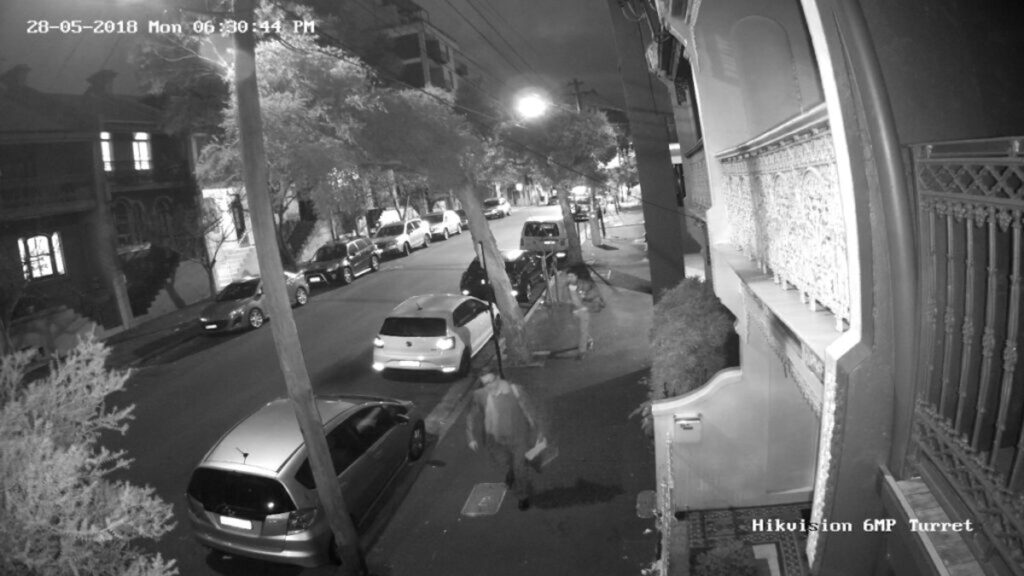
Before we installed new hardware, however, we’d start by hopping into settings and turn the IR level down. If the camera has smart IR functionality, make sure you activate it. If the issue is occurring with a low-cost CCTV camera installed internally or a video verification PIR used internally, wind back the settings a touch if you can and if you can’t, try to move the camera or the sensor further back from the potential subject.
Another possibility might be adding an obstruction, like a pot plant or table into the path of a potential intruder so they can’t approach the sensor too closely, denying you useful imagery during intrusion.
Yet another option – and this completely defeats the purpose of having IR in the first place – is to add some ambient light to your scene – even an el cheapo solar powered light activated by movement that allows the camera to record in colour for 30 seconds will help. Note that the transition from BW to colour is not going to be instant, so walk test to get operational feel.
What’s The Easiest Way To Reduce Camera IR Flare
You could also add a dim warm white LED light bulb to a lighting fitting in the scene – just enough lux to keep the camera in colour. Adding some reflective surfaces might help, too – paint walls white, add light coloured objects – every lux counts. There’s also the possibility of using a camera with integrated visible light, though this will instantly indicate to their intruder the camera location.
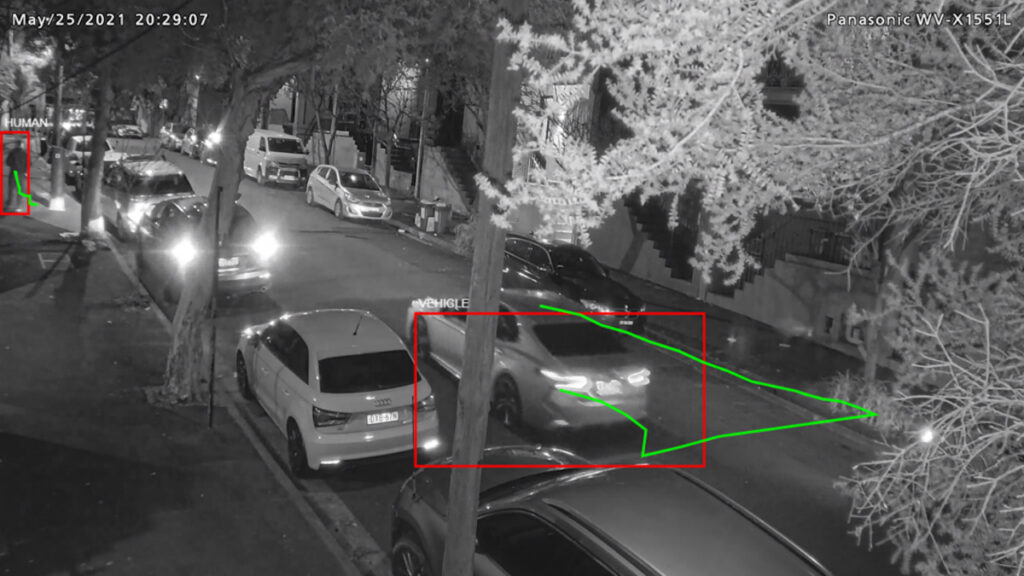
There’s an element of acceptance required here. IR has operational benefits and drawbacks when it’s integrated into the camera and positioned a few centimetres below the camera lens. In such applications, especially with more reflective subjects closes to the lens, it’s great for confirming intrusion but obviously if your intruder puts their noggin into the entire field of view it’s going to render like the climactic scenes of Close Encounters of The Third Kind.
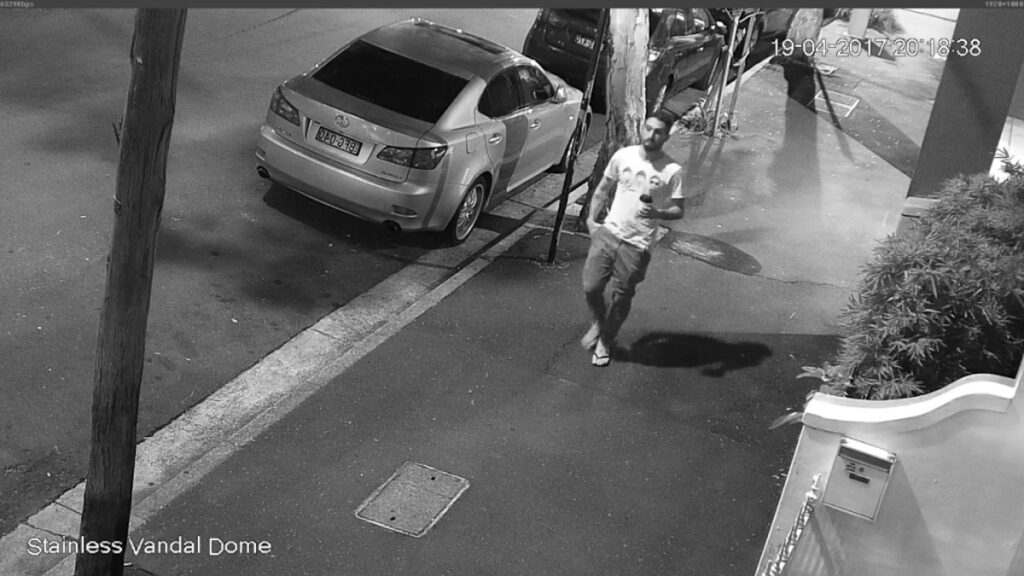
Finally, you could install quality cameras – the best low light cameras won’t need the support of visible or IR light to deliver face recognition, as you can see in some of the attached images, and if they do they will adjust intensity to reduce flare.
You can read more about external IR luminaries here or read more SEN news here.
“What’s The Easiest Way To Reduce Camera IR Flare In Video Surveillance Applications?”