


ADF Drone Defence Plan Signals Broader Risk to National Infrastructure.
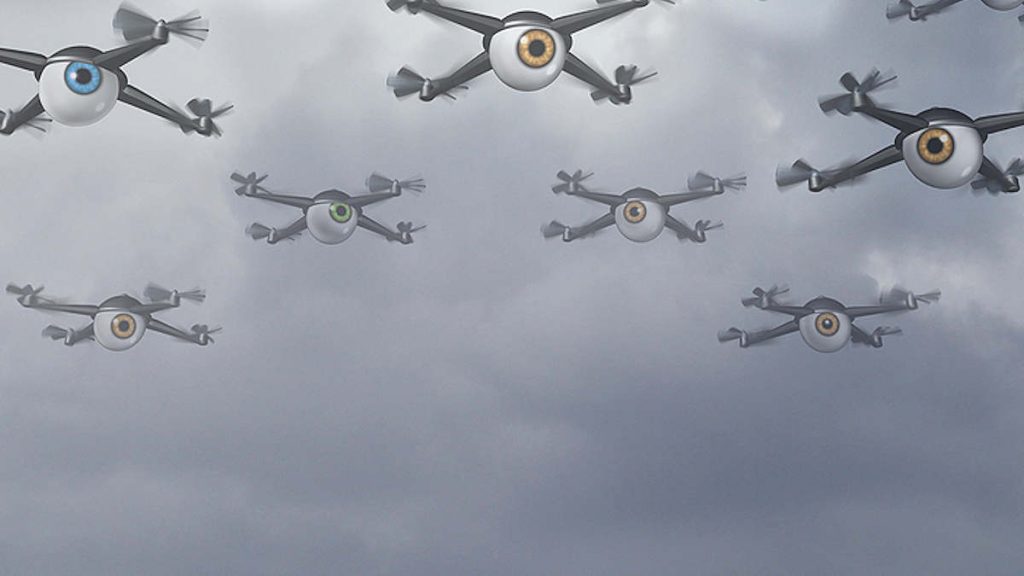
ADF Drone Defence Plan Signals Broader Risk – Australia’s Department of Defence is moving to secure all its assets from drone incursions under a new Counter-small Uncrewed Aerial Systems (CsUAS) panel, highlighting the growing urgency of airspace protection at a national level.
The ADF’s strategy will span more than 150 Defence sites — including bases, training grounds, shipbuilding yards and aerodromes — and raises immediate questions for the operators of vital civilian infrastructure.
The managed services approach adopted by ADF includes comprehensive threat assessments and the deployment of detection and mitigation technologies. These systems are designed to protect against commercial drones operated by malicious actors, foreign intelligence, or unauthorised users. While the plan is military in scope, in SEN’s opinion, the rationale behind it applies equally to civil infrastructure — including ports, power stations, water treatment plants, rail hubs, emergency services, data centres, and major industrial facilities.
The ADF’s strategy covers 2 key functions. Category 1 involves platform-agnostic site assessments and solution designs, while Category 2 covers ongoing managed CsUAS operations. Technologies may include fixed and mobile RF detection, radar, optical sensors and effectors, along with command and control systems for real-time response. Providers will also handle reporting, integration, training, and capability development.
ADF’s approach acknowledges that drone threats vary across geography, airspace use, and operational demands — and require tailored strategies. Environmental conditions, air traffic rules, and specific risks associated with each site will shape individual deployments. That logic extends directly to civilian infrastructure, where the consequences of drone interference may include data breaches, service disruptions, industrial sabotage or threats to public safety.
In treating drone defence as a critical part of national security, it’s impossible not to see that ADF is making a case for all operators of strategic infrastructure to review their perimeter security strategies. Integrating counter-drone systems into layered physical and digital defences will likely become the norm as drone technology continues to evolve and proliferate yet we saw very little of this technology at SecTech or Security & Integrate.
You can read more about 10 types of drone detection technologies here or read more SEN news here.
“ADF Drone Defence Plan Signals Broader Risk to National Infrastructure.”