

Do NSW Fire Safety Practitioner Reforms Impact Security Installers Expanding into Fire?
Do NSW Fire Safety Practitioner Reforms Impact Security Installers – Security installers in NSW looking to expand into fire safety work will need to factor in new accreditation requirements under fire safety practitioner reforms introduced by the NSW Government.
These reforms aim to lift the standard of fire safety assessments during design, approval, installation, and ongoing maintenance phases of a building. Under the updated Environmental Planning and Assessment Regulations, only an accredited practitioner (fire safety) or a registered certifier may perform certain functions.

These functions include endorsing plans and specifications for fire systems, performance solution reports, exemptions to the Building Code of Australia for minor modifications and certifying annual fire safety statements (AFSS).
Routine testing, maintenance, and installation of fire safety measures remain outside the scope of mandatory accreditation, but SEN’s understanding is that from 13 February 2025, or 18 months after a relevant scheme is approved, building owners must engage accredited persons to certify installed fire systems before a Fire Safety Certificate can be issued.
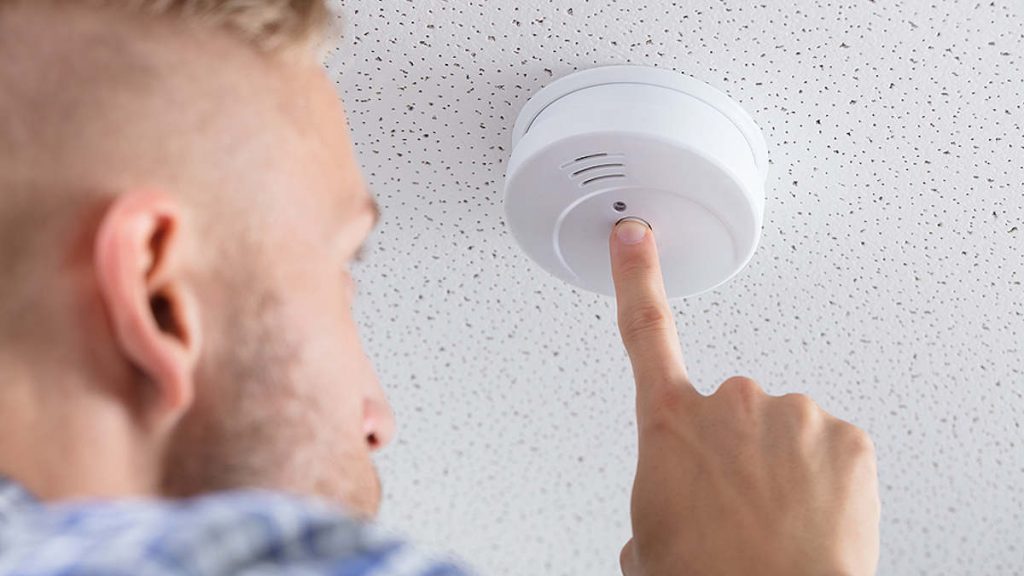
This change means that security providers delivering integrated systems such as fire panels, smoke detection, or emergency lighting will need to work with an accredited professional or become accredited for installations requiring certification.
Do NSW Fire Safety Practitioner Reforms Impact Security Installers
For annual or supplementary fire safety statements, only individuals accredited under an approved industry scheme may assess statutory fire safety measures. Where no scheme is in place, the building owner may appoint a competent person, but only after authorisation from Fair Trading. Non-statutory measures without performance solutions may still be assessed by someone the owner deems competent.
It appears that while these reforms appear to stop short of requiring accreditation for day-to-day fire system installation of the type security installers work with, they clearly establish a formal barrier to entry for any business wanting to handle compliance certification directly. Note that there’s additional complexity relating to performance systems in relation to building class – particularly Class 2 and higher.
Certain fire control systems must be endorsed by certifiers with specific expertise. For example, mechanically ducted smoke control systems must be certified by an engineer-mechanical, while fire alarm and detection plans require endorsement by a certifier with electrical registration. Minor non-compliances with the BCA must be endorsed by an appropriately credentialed person with a competency certificate issued by a registered certifier.
These changes point to an increasingly formalised compliance regime, and while accreditation does not appear to be required for installation and service work, contractors seeking to deliver complete solutions of greater complexity — from installation through to certification — will need to closely track scheme approvals and plan for accreditation if they intend to control the compliance process internally.
You can find out more here or read more SEN news here.
“Do NSW Fire Safety Practitioner Reforms Impact Security Installers Expanding into Fire?”