

Higher Quality Connections Mean Lower Resistance Over The Lifetime Of A Security System.
Higher Quality Connections Mean Lower Resistance – Higher quality connections mean lower resistance over the lifetime of a security system. In electronic security installations, wiring failures most often occur at connection points where corrosion leads to the formation of copper oxide. This oxide layer increases electrical resistance, eventually degrading the connection and interrupting the circuit, leading to fault conditions.
Because crimping is more common than soldering for terminations and joins in the electronic security industry, the quality of the crimp is critical. One of the most effective ways to ensure consistent results is to use a high-quality ratcheting crimp tool. A ratchet mechanism prevents the tool from releasing until the crimp cycle is complete, helping ensure the correct compression is applied to the terminal. This reduces the risk of under-crimping, which leads to poor conductivity, or over-crimping, which can damage the terminal barrel or conductor.
Cable construction also affects connection performance. Stranded cables made up of many fine strands generally produce stronger and more reliable crimps than cables with fewer coarse strands. Fine strands flow into the contours of the terminal barrel during compression, distributing pressure more evenly and reducing voids within the connection. Voids trap air and moisture, increasing resistance and accelerating corrosion over time.
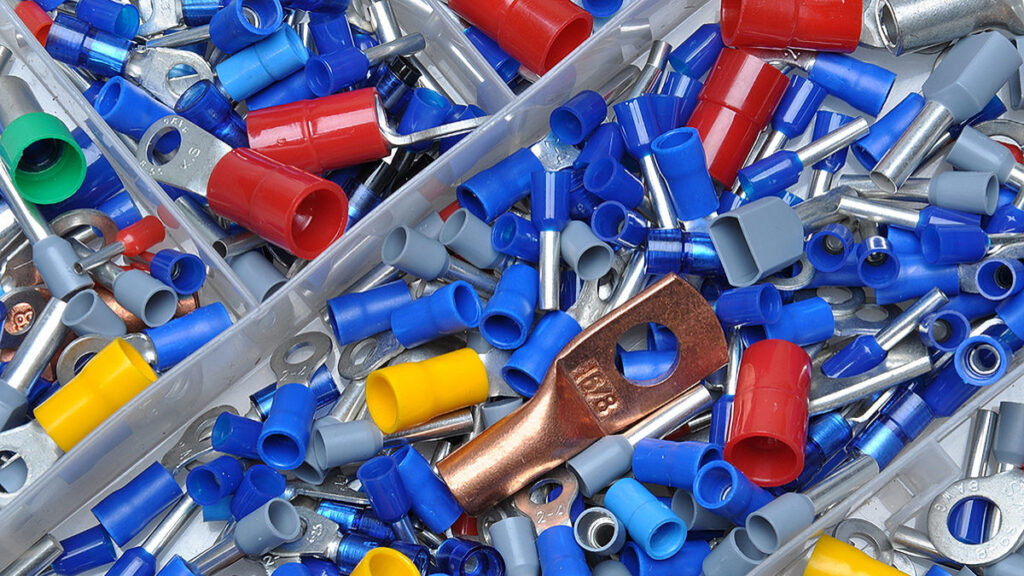
Selecting the correct terminal size is equally important. The terminal’s rated wire range must match the actual conductor size, and the termination type must suit the terminal block or device connection. In security installations, spade terminals are widely used, and installers are usually better served by carrying the specific sizes required for common terminal blocks rather than mixed kits containing many unused types.
Connector sizing also matters when joining cables. If a connector is too large, air space remains inside the crimp, which can increase resistance and encourage corrosion. If it is too small, wire strands may bunch outside the barrel, creating a poor mechanical and electrical connection. Bunched up strands look ugly, too.
Before crimping, conductors and terminals should be free from oxidation and contamination. Adequate compression pressure helps break through the thin oxide films that naturally form on metal surfaces, ensuring proper metal-to-metal contact. Without this contact, resistance builds across the joint, leading to intermittent faults and eventual circuit failure.
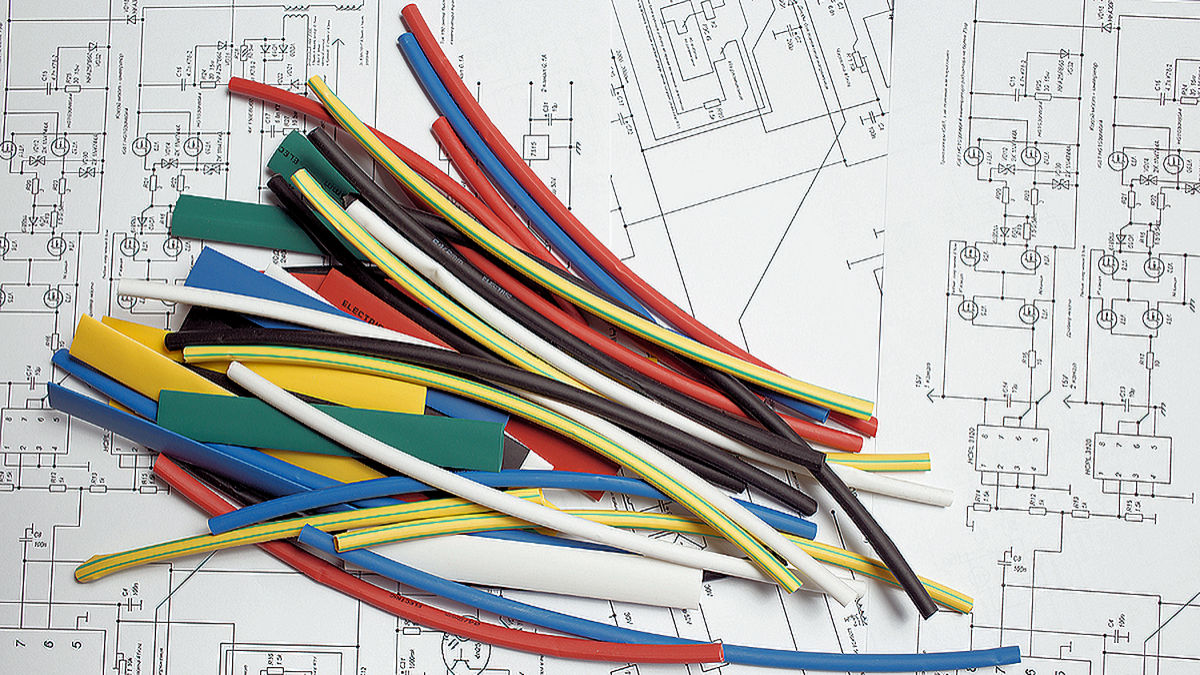
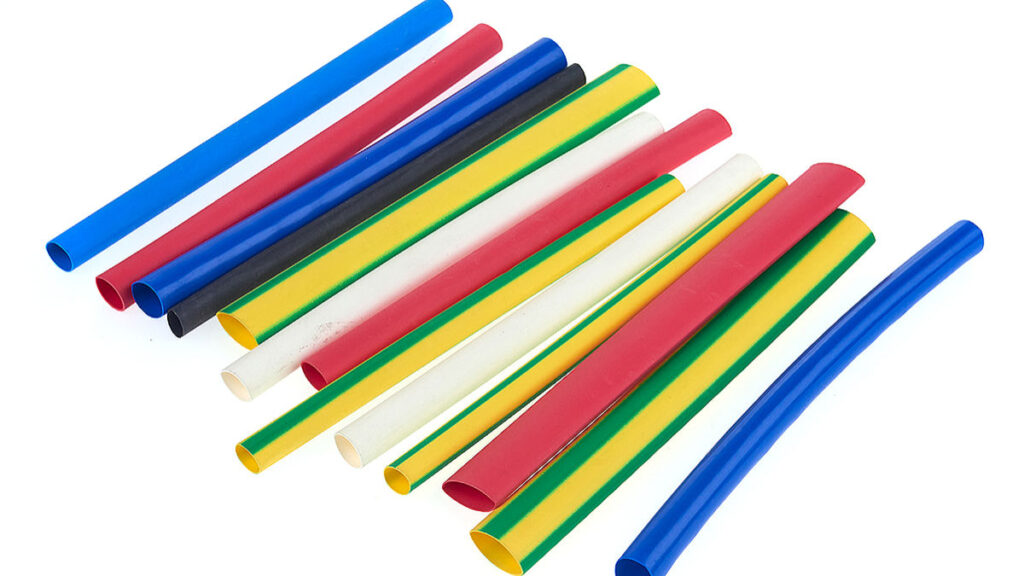
Protection of completed joins is also important. Heat shrink tubing provides insulation, mechanical support and environmental protection for connections. While integrated heat-shrink connectors are available, many installers find that using high-quality conventional heat shrink tubing over a properly crimped join produces more predictable results.
Low-quality tubing can shrink unevenly or require excessive heat, potentially damaging the insulation or weakening the connection. We’ve all experienced that one set of heat shrink tubes that a flame thrower could not shrink. Quality shrinks will minimise evenly and predictably.
Tubing colours – make sure they are compatible with your wire strands. We’ve all used black for red or red for black at some point in our private lives when mucking around with devices at home, but you don’t want to do this in a professional setting for important cables like positive or earth.
In practice, the combination of correct terminal sizing, proper crimp tools, fine-strand cable and quality heat shrink protection provides the most reliable electrical connections. In security systems, where faults can lead to service callouts and system downtime, the quality of these small details will have a significant impact on long-term system reliability and security operations – for you and for the techs of the future.
You can find a quality heat shrink tubing kit here and there’s more SEN news here.
“Higher Quality Connections Mean Lower Resistance Over The Lifetime Of A Security System.”