

Selecting Quality CCTV Cameras Doesn’t Only Depend On The Application.
Selecting Quality CCTV Cameras – Selecting Quality CCTV Cameras – Selecting quality CCTV cameras doesn’t only depend on the application. As installers and integrators know, some CCTV cameras perform better than others for a range of reasons that may not immediately be clear.
CCTV cameras are typically used for both live monitoring and post-event investigation, so reliability, clarity and performance across a wide range of lighting conditions are essential. High-performance cameras deliver realistic image quality, particularly in low light, with natural colour, strong contrast and low motion blur.

Pixel count doesn’t guarantee clarity — sensor size, lens quality, focal length, image processing and firmware engineering also determine how effectively a camera captures usable video. Poorly designed cameras may produce noise, veiling flare or motion artefacts that compromise identification – often they will do all these things at once.
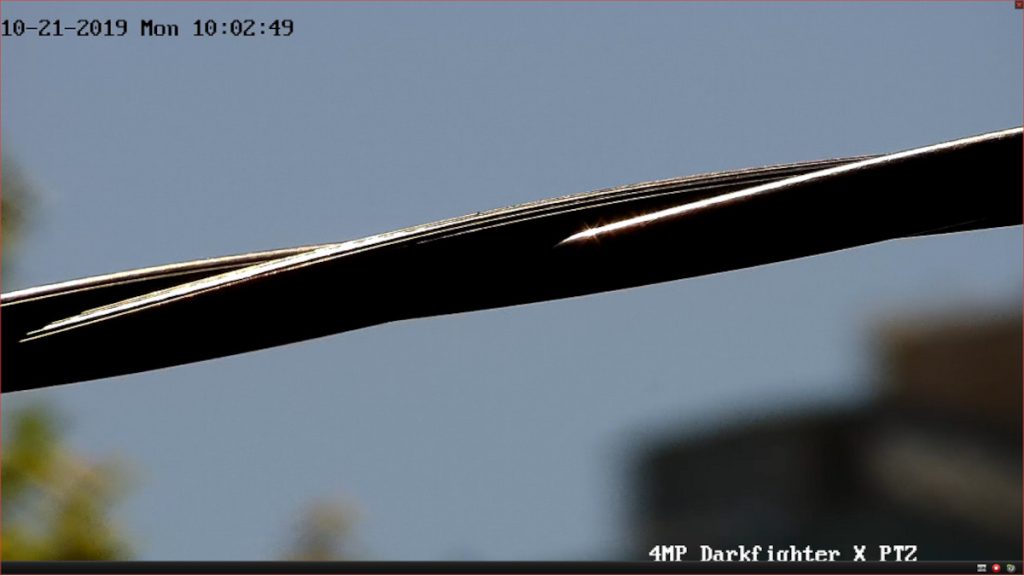
Resolution and pixel density should be matched to scene requirements. For license plates and facial recognition, sufficient pixels on target are necessary, with higher resolution sensors used to cover wide angles or deep fields of view. In general, modern fixed cameras offer 4–5 MP, while panoramic, hemispheric and multi-sensor units may run at 8MP or more to compensate for resolution drop-off across wider angles of view. In-camera technologies such as de-warping or stitched views help reduce distortion but are only effective if base image quality is maintained. Performance can degrade rapidly at the edges of sensors – this has to be taken into account.
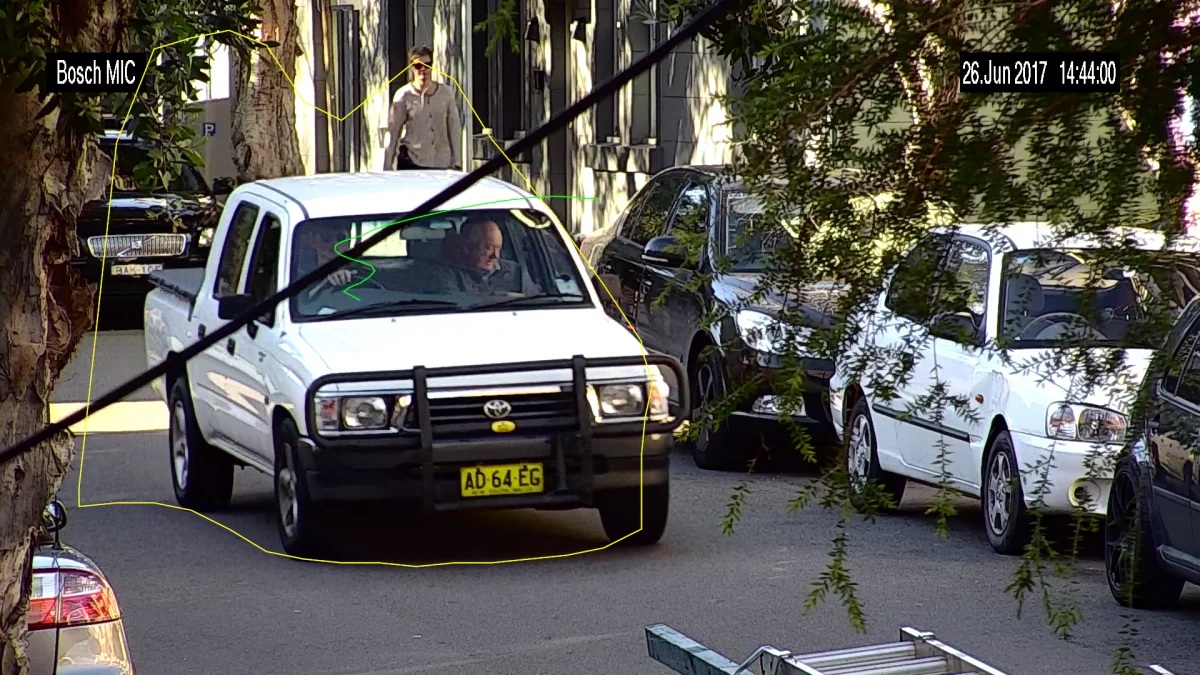
Backlight handling is also critical. Cameras that incorporate high dynamic range (WDR), backlight compensation and HDR algorithms are better suited to environments with high contrast between bright and dark areas. The best models deliver consistent results by managing overexposure, reflection and shadow detail with careful tone mapping and light balancing. Poor handling of backlight leads to muddy faces in strong light.
Lens quality is a key factor in delivering sharp, distortion-free images. Cheaper plastic lenses may suffer from chromatic aberration, flare, and poor focus retention across the frame. Thoughtful focal length, minimal distortion and a well-matched field of view are essential. Long-range views require stable, low-vibration mountings — installations on poles or unstable brackets can introduce blur even in full dayligh. The longer the pole, the greater its windage, the worse the vibration. Local focal lengths will be impacted more than shorter.
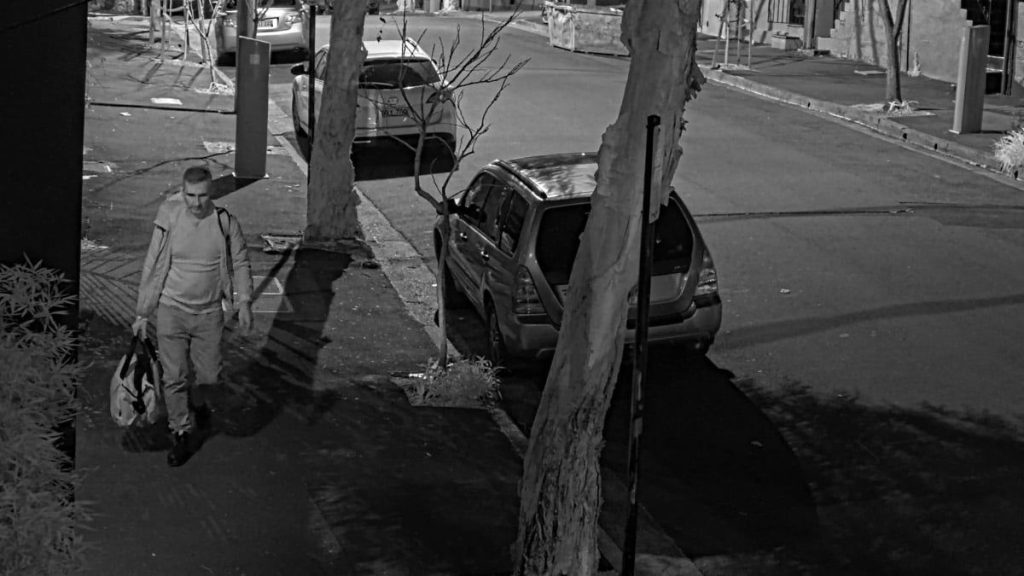
Support for onboard or edge analytics is increasingly important. Video analytics including object detection, virtual line crossing, people counting or loiter detection depend on clean input data. The sharper and more stable the image, the lower the false alarm rate and the more reliable the response can be. High-quality cameras improve analytic performance at the edge and reduce dependency on server-based processing.
Advanced video compression technologies like H.265 as well as proprietary compression protocols like WiseStream and Zipstream reduce bandwidth, and storage loads without significantly degrading quality. This is critical in large-scale deployments where high frame rate and resolution must be maintained without overwhelming infrastructure.
Environmental resilience also defines a professional-grade camera. Ingress ratings such as IP66 or IP67, vandal resistance to IK10, and operational ranges covering extreme temperatures are typical of quality models. Robust housing, sealed components and reliable IR implementation ensure stable performance in outdoor or hostile environments.
Camera form factors also influence installation flexibility and field performance. Domes offer tamper resistance and a low profile though dome bubbles inevitably cause some attenuation of the video stream, while bullets deliver longer range, easier adjustment and a simpler optical equation. Hemispheric or multi-head models provide full scene coverage and are suitable for large interior spaces where wide situational awareness is necessary or very wide external scenes – resolution is important with these.
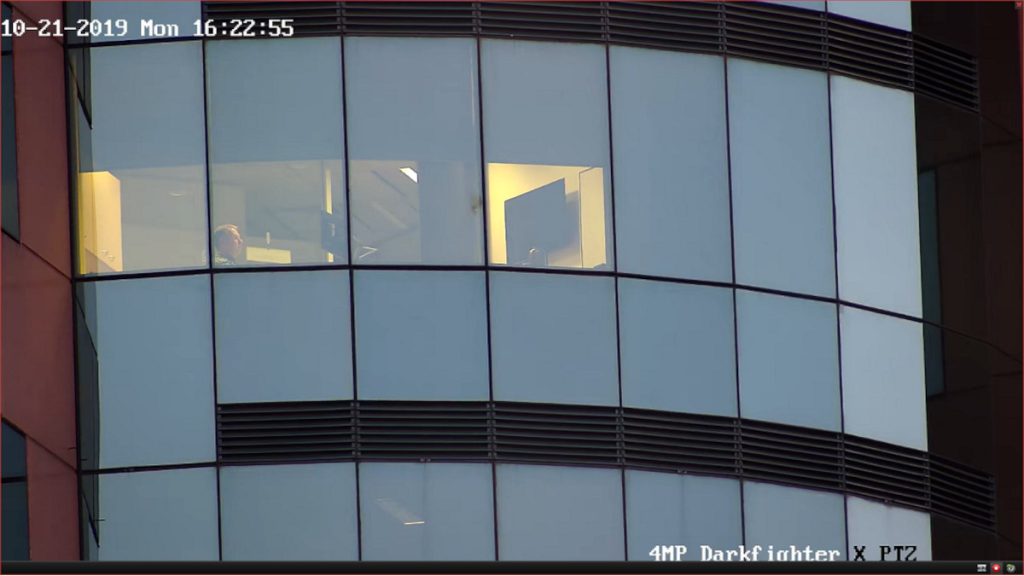
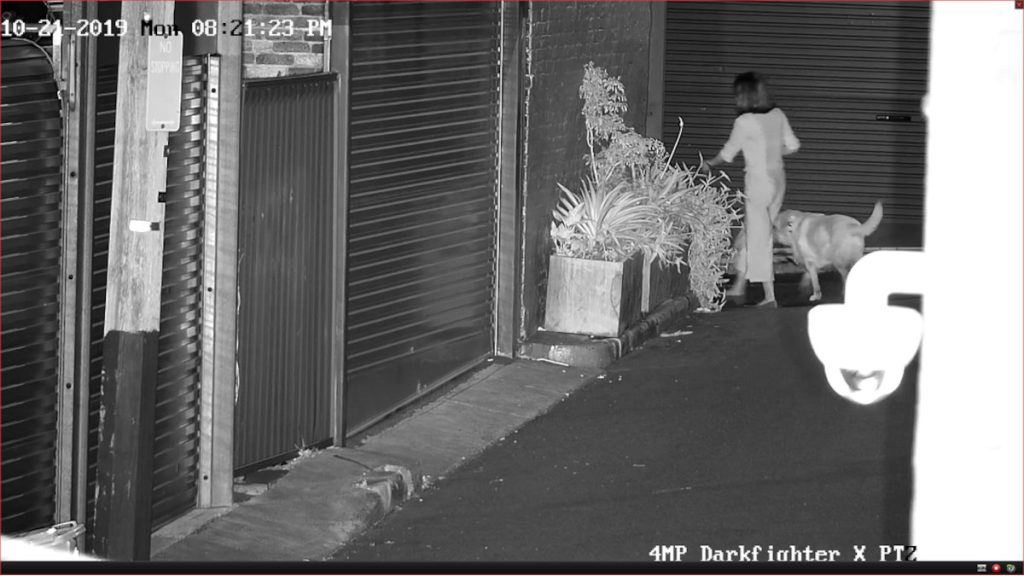
Low-light performance depends on both optical sensitivity and IR integration. Cameras capable of delivering clean video at below 1 lux – or operating at 0 lux with IR support – are preferred for night-time monitoring. Day/night switching and low signal-to-noise processing ensure images are usable in all lighting conditions.
It’s possible to drone on about camera performance forever. There are application specific elements that will be driven by operational imperatives. If you need images of static faces within 4 metres, most cameras will do the job well enough though we’d use a warmer floodlight rather than IR to avoid flare.
It’s when applications get more demanding – low light, long range, subject movement – that true camera quality comes to the fore. It goes without saying that such cameras will not cost under $100, which seems to be the gold standard of performance for CCTV cameras these days, but they will give you court admissible face recognition in sub-2 lux with a moving subject at distance.
You can discover a high-end surveillance camera here or read more SEN news here.
“Selecting Quality CCTV Cameras Doesn’t Only Depend On The Application.”