

Structural Sensors For High Security Applications Are Ideal If You’re Defending The Right Substrate.
Structural Sensors For High Security Applications – We’re looking to install electronic security to protect a bond store that holds large volumes of high value electronics for retail. Our warehouse has thick external walls; we’ve fenced the back of property around the warehouse and moved the bond store away from the external walls.
There are also anti-ram barriers behind the roller door. Is it possible to use structural vibration sensors that will report attacks against the building to our gate house after hours? We have cameras and illumination but have found these are not always dependable when it comes to detecting intrusion. Our doors already have heavy-duty reed switches – it’s the external walls we are worried about. What’s SEN’s opinion?

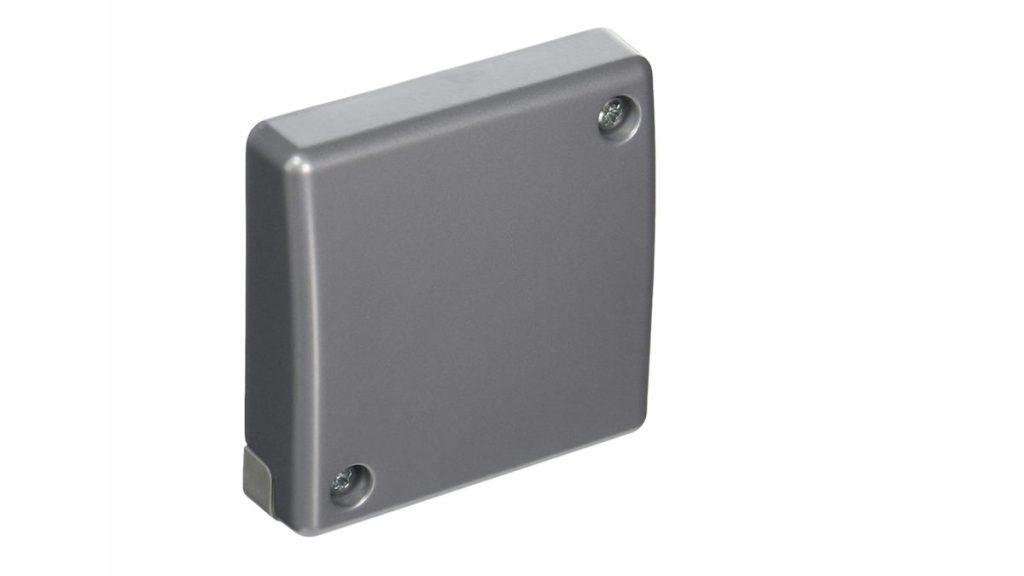
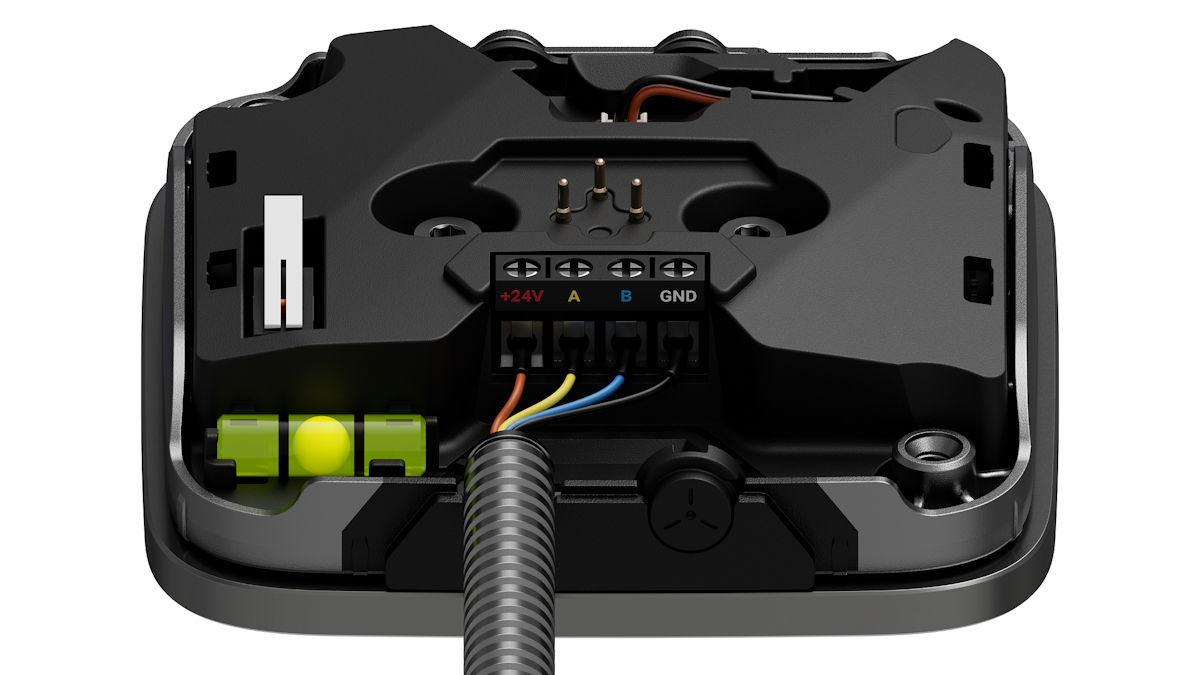
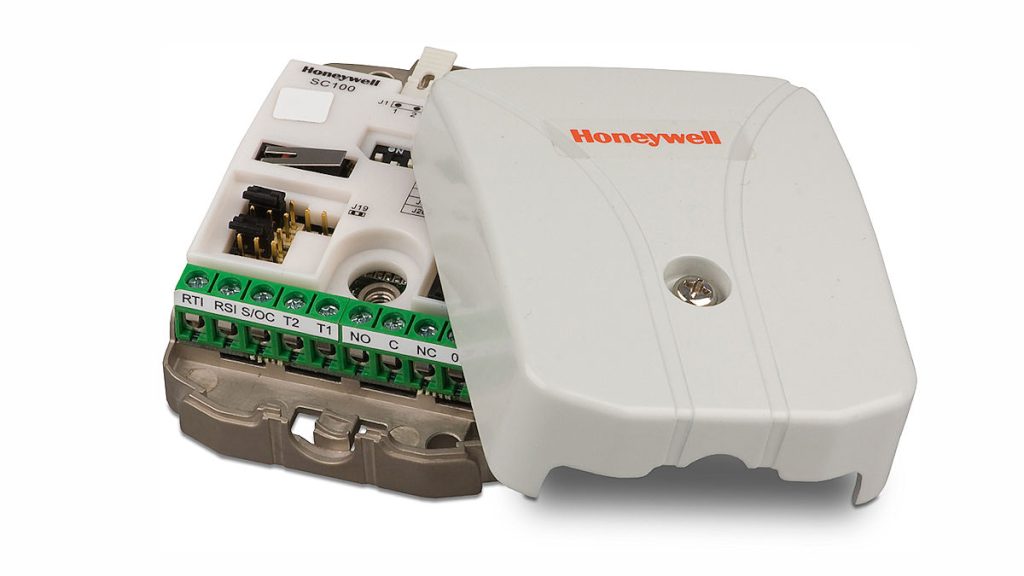
A: When it comes to structural sensors, much depends on the physical structure of your warehouse. If the building is prefab concrete slabs or brick, structural sensors should work fine. Any structural attack sensor needs to be permanently fixed to a structural concrete or masonry wall. Any metal or metal clad structure that can vibrate through the movement of heavy transport or expand in the sun is not going to make a great base for structural attack sensors.
It’s vital to consider that each sensor’s coverage will be directly related to the density and the stiffness of the base to which it is fixed. You should never attach structural sensors to a structure that might vibrate or shift when exposed to regular activities that occur on the site including the movement or operation of plants or machines, or the vibration of plumbing, etc.
The only way to get this right is conduct a field test. Much vibration on a site is going to be undetectable by hearing or feel. Even if a surface seems ideal for the application of structural sensors, you also need to make sure that the structure will actually transmit vibration – it may not. Any vibration that occurs as an intruder attempts to get through an external wall needs to travel through the wall and down its surface before getting to a sensor.
Remember that things like flex joints and mortar joints are going to attenuation the vibration significantly. Other factors will include organic variables like the number of reo rods and even the quality of the original concrete pour – the higher the quality, the better the vibration transmission. Damp concrete or concrete that has partially lost its curing agent and reverted to sand in places will attenuate vibration.
In terms of wall-mounted installation, sensors should be placed at intervals of about 6m about 1.5m above the floor level (it is possible to install vibration sensors on floors). It’s also possible, especially if there’s a problem with transmission of vibration from their source to the sensor, to install a steel channel along a wall, with regular fixings (every 1.5m) with structural attack sensors mounted inside the steel channel.
You can find some structural sensors here or read more SEN news here.
“Structural Sensors For High Security Applications Are Ideal If You’re Defending The Right Substrate.”