




CSIRO has found that the COVID-19 virus can last up to 28 days on surfaces like mobile phones, touch screens, glass and stainless steel at 20C without exposure to UV. In temperatures between 30 and 40 degrees C, the virus survived for 7 days.
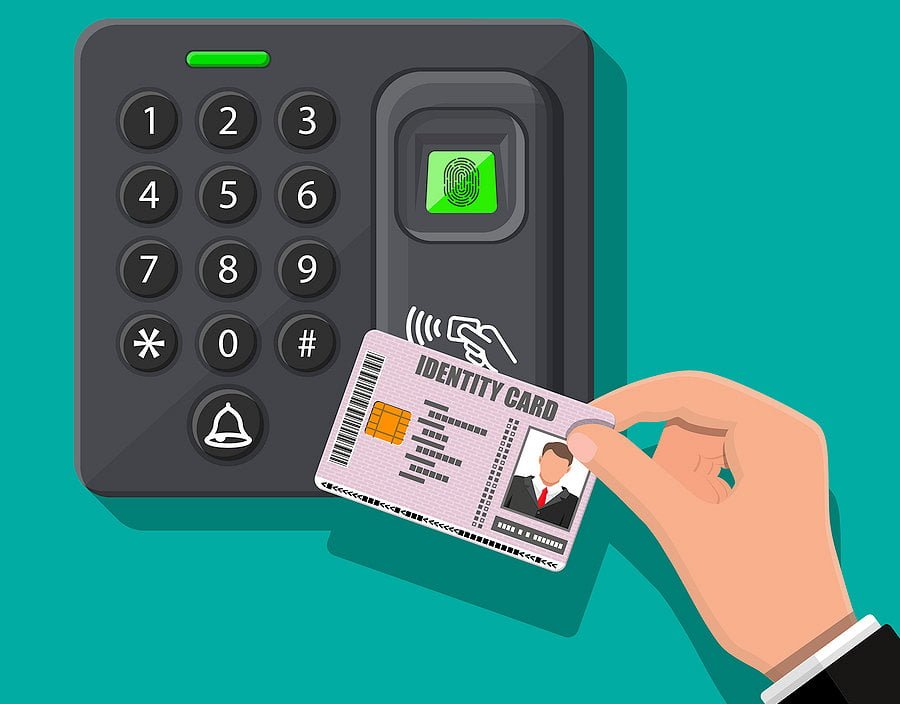
The findings suggest security system touch screens and contact fingerprint biometric readers need to be cleaned regularly and hand hygiene needs to be carefully managed in shared environments.
According to the study, while the virus is primarily transmitted through aerosols and droplets caused by infected people sneezing or coughing, the role of contaminated surfaces in the virus’ spread has been less clear.
“The persistence on glass is an important finding, given that touchscreen devices such as mobile phones, bank ATMs, supermarket self-serve checkouts and airport check-in kiosks are high touch surfaces which may not be regularly cleaned and therefore pose a transmission risk of SARS-CoV-2,” the study said.
The study demonstrated that mobile phones can harbour pathogens responsible for nosocomial transmission, and unlike hands, are not regularly cleaned.
“How long they can survive and remain infectious depends on the type of virus, quantity, the surface, environmental conditions and how it’s deposited – for example, touch versus droplets emitted by coughing,” said Professor Trevor Drew, director of the Australian Centre for Disease Preparedness.
The research was conducted at the Centre for Disease Preparedness in Geelong, Victoria, and involved drying virus in an artificial mucus on different surfaces, at concentrations similar to those reported in samples from infected patients and then re-isolating the virus over a month in the dark to exclude UV light.
“Establishing how long the virus really remains viable on surfaces enables us to more accurately predict and mitigate its spread, and do a better job of protecting our people,” said CSIRO chief executive Dr Larry Marshall.
#securityelectronicsandnetworks.com