Operational Considerations Of CCTV Camera Choice - Choosing surveillance cameras for a professional CCTV system demands a balance of operational objectives, environmental conditions, cost, and customer expectations.
Operational Considerations Of CCTV Camera Choice Demand Installers Balance Operational Objectives, Environmental Conditions, Cost And Customer Expectations.
Operational Considerations Of CCTV Camera Choice – Choosing surveillance cameras for a professional CCTV system demands a balance of operational objectives, environmental conditions, cost, and customer expectations.
First up you need to decide what the cameras are there to do. Are they providing admissible evidence, situational awareness for security managers or onsite security teams, or are they recording for insurance purposes?
If the primary goal of your CCTV system is the reliable capture of court-admissible footage of people and events, selecting the wrong cameras can compromise system performance and evidentiary value. If you want situational awareness a camera and lens combination that’s able to ID people at mid to long ranges might not suit either.
It goes without saying that even if your customer doesn’t want to spend more than $99 per camera they will likely still expect court admissible evidence in the event of a serious incident and will blame you for not having it. Low cost tends to mean lower performance vectors, though some cheaper cameras don’t do too bad a job, especially if nothing is moving, there is ambient light in the scene or if they’re installed within 10 metres of the target.
Operational Considerations Of CCTV Camera Choice 6
Effective selection begins by identifying the monitoring area and defining the required outcomes for each camera. In environments with poor lighting, infrared illumination may be necessary, while wide dynamic range (WDR) support becomes a consideration in areas with extreme lighting variations – that can be any camera exposed to afternoon summer sun. We also like the use of ambient warm or white light. It’s surprising how a small amount makes a big difference.
If there’s distance between camera and subject, appropriate lens selection is critical to ensure full coverage and clarity. Integrated motorised lens options in domes or bullets may suit many applications (you’ll need to undertake careful commissioning), while box cameras with interchangeable lenses are suited to more specialised deployments. Notably, there are not that many box cameras left on the market – we think that’s a shame. The addition of an affordable quality lens can deliver huge reach with box cameras.
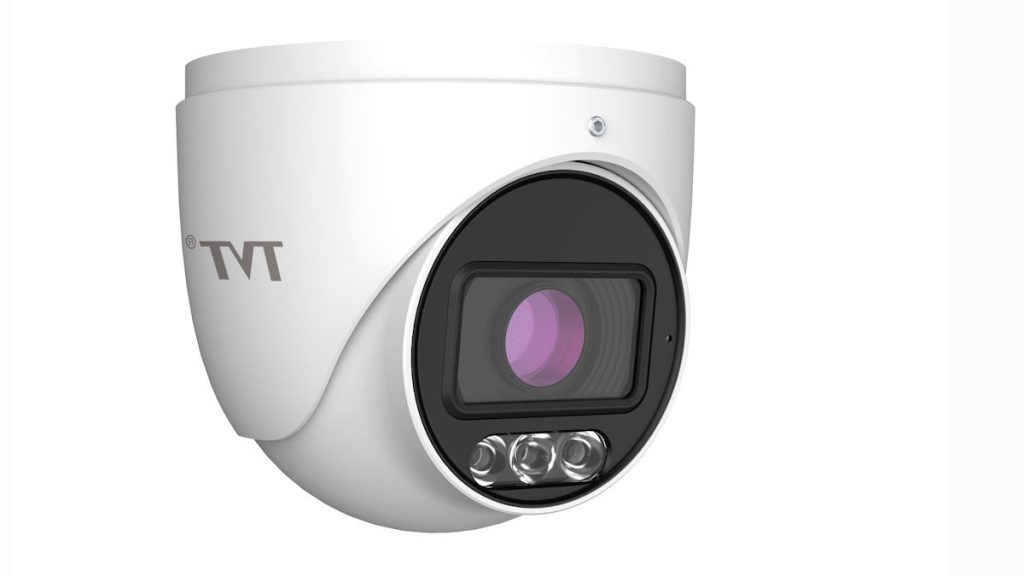
Installations vulnerable to tampering or vandalism will require vandal-resistant domes, while aesthetic concerns may demand compact cameras or flush-mounting options. Sometimes these decisions will introduce comprises, sometimes not – you’ll need to play with the cameras to get a feel for what’s what.
Operational Considerations Of CCTV Camera Choice 7
Reliability begins with manufacturer selection. Established vendors with proven market performance reduce operational risk – their reputation depends on it. Camera build quality, thermal tolerance, optical performance, and ease of installation also contribute to long-term system integrity. While budget is always a factor, features such as warranty coverage, local support, and software compatibility can outweigh initial cost when evaluating total cost of ownership – convincing your customer will be the trick.
The influx of low-cost imports has led to declining perceived value in professional-grade cameras – this margin erosion is challenging for distributors and is certain to reduce new product investment in the future. Many installers and integrators still expect the service and support levels offered by tier-one manufacturers, even when opting for budget hardware. However, advanced features like extended warranty, reliable firmware support, and local technical backing are typically not available from lower-tier brands.
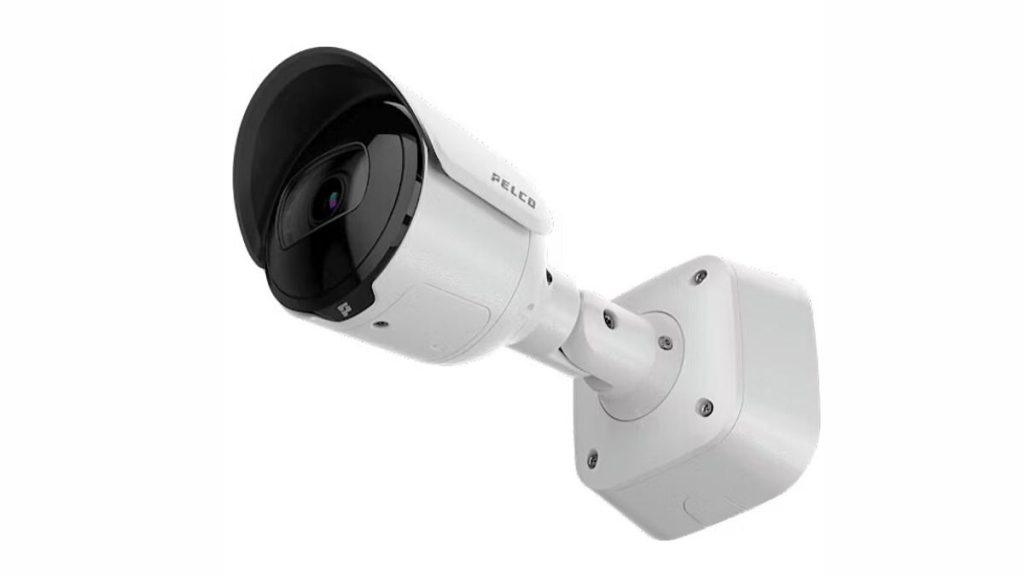
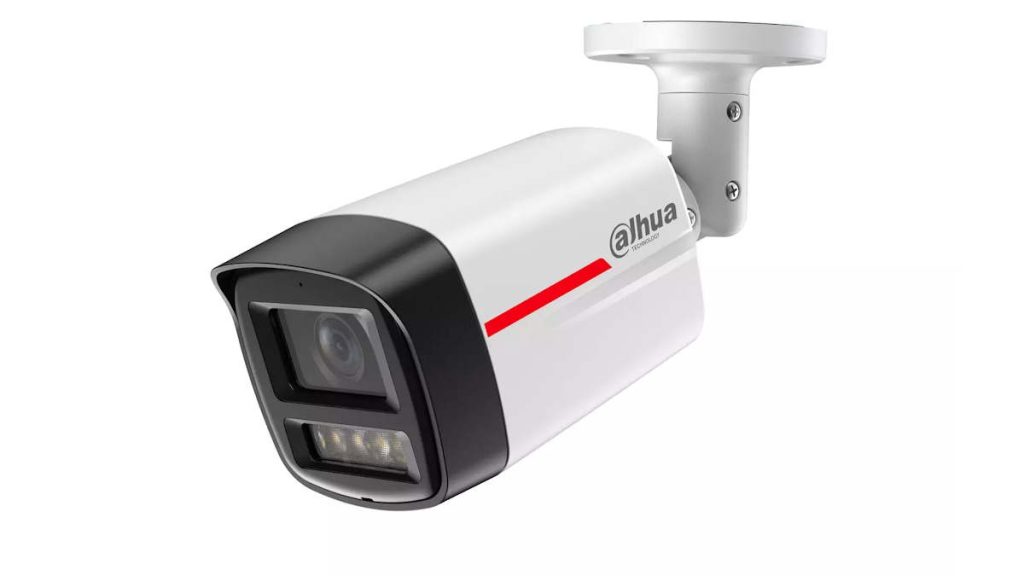
When it comes to form factor, fixed domes remain a popular choice for integrators, with bullet cameras frequently used in external applications requiring reach. Full-body cameras are declining in use due to their higher installation complexity, with many installers favouring the unitized bullet-style cameras that reduce messing about with housings. Bullet cameras are also becoming more capable, narrowing the functional gap between form factors.
Operational Considerations Of CCTV Camera Choice 8
When it comes to features, H.265 video compression is becoming standard, reducing bandwidth and storage needs. Network infrastructure is improving, with 10Gbps backbones and multi-core cabling now common. Wireless links have also improved, supporting greater camera densities and more reliable connections.
Camera resolutions continue to rise. While 1080p remains standard, 3MP, 4MP, 5MP and 4K resolutions are increasingly cost effective. However, resolution is not always the best indicator of quality. Some intermediate formats default to 1080p output despite higher-rated sensors, while sensor quality varies significantly across manufacturers.
A typical approach involves using 4K cameras at key entry points for identification supported by good light, with 1080p units deployed elsewhere. The best-performing 1080p models often outperform higher-resolution cameras from less capable brands, especially when light starts to fall.
Cybersecurity has become a significant consideration. Leading manufacturers are integrating encryption, secure authentication, and device-level protections into hardware and VMS platforms. These features are critical in protecting CCTV systems from compromise. Some cybersecurity functionalities are epic – but you obviously need to be prepared to implement them.
Operational Considerations Of CCTV Camera Choice 9
Video standards compliance is another factor in selecting suitable cameras. Some high-megapixel models do not adhere to industry standards for video, which can affect performance in varied lighting conditions. Standard formats like Full HD (2MP) and 4K (8MP) are more consistent across real-world environments. Worse, some 4K video streams are actually just lower resolutions puffed up with digital artefacts.
Important performance characteristics include colour rendition, WDR, and low-light sensitivity. High-sensitivity sensors capable of full-colour imaging in near-dark conditions are increasingly common, with leading manufacturers focusing R&D on extreme low-light performance and advanced image processing. There are some manufacturers that do well with cameras like these. If there’s a caveat it’s whether you get moving faces in challenging light.
Finally, video analytics is becoming standard with many cameras. Features like people counting, dwell time analysis, facial recognition, and vehicle classification are often embedded, a shift that extends CCTV use beyond traditional surveillance into broader operational and business intelligence roles, changing the return on sales equation.
You can find some quality CCTV camera options here, here, and here, or read more SEN news here.
“Operational Considerations Of CCTV Camera Choice Demand Installers Balance Operational Objectives, Environmental Conditions, Cost And Customer Expectations.”
Operational Considerations Of CCTV Camera Choice Demand Installers Balance Operational Objectives, Environmental Conditions, Cost And Customer Expectations.
A professional writer and editor who has been covering the security industry since 1991, John is passionate about clever applications of technology and the fusion of sensing and networking. A capable photographer John enjoys undertaking practical reviews of the latest electronic security systems.