

What Will Electronic Security’s Next Tech Revolution Be In SEN’s Opinion?
What Will Electronic Security’s Next Tech Revolution Be – We’d argue the electronic security industry’s next technological revolution will be agentic AI. The only hesitations we’d have are that the security industry has been deploying agentic-ish AI for years.
Agentic AI is simply AI that can solve multi-step problems on its own, using integrated procedures and algorithms. If this sounds quite familiar, that’s because it is. The electronic security industry was, in our opinion, among the first widespread adopters of smart AI functionalities for serious applications.
When the SEN team visited China in 2019, all manufacturers, including Hikvision, TVT, Dahua, Uniview and others, were deep into AI development, not only for high end gear, but for affordable camera and NVR ranges. We’ve all seen these solutions roll through over the past 6 years.
Video content analysis is older than 2019. We first wrote about the Briefcam solution way back in November 2010, when it made an appearance at the ASIS expo in Dallas. Meanwhile, Avigilon introduced its video content analysis capabilities in 2011 with the release of Avigilon Control Center (ACC) version 5.
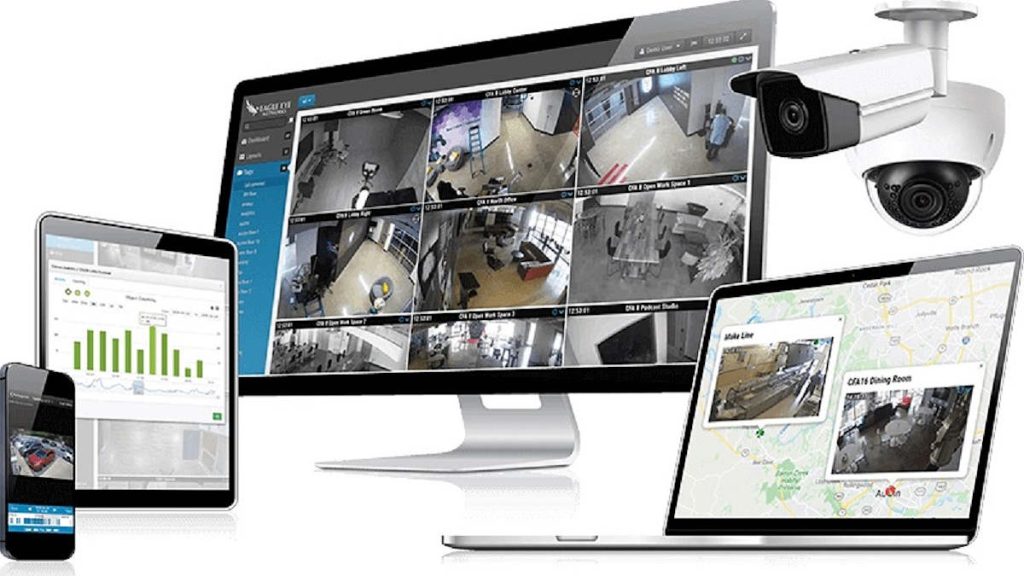
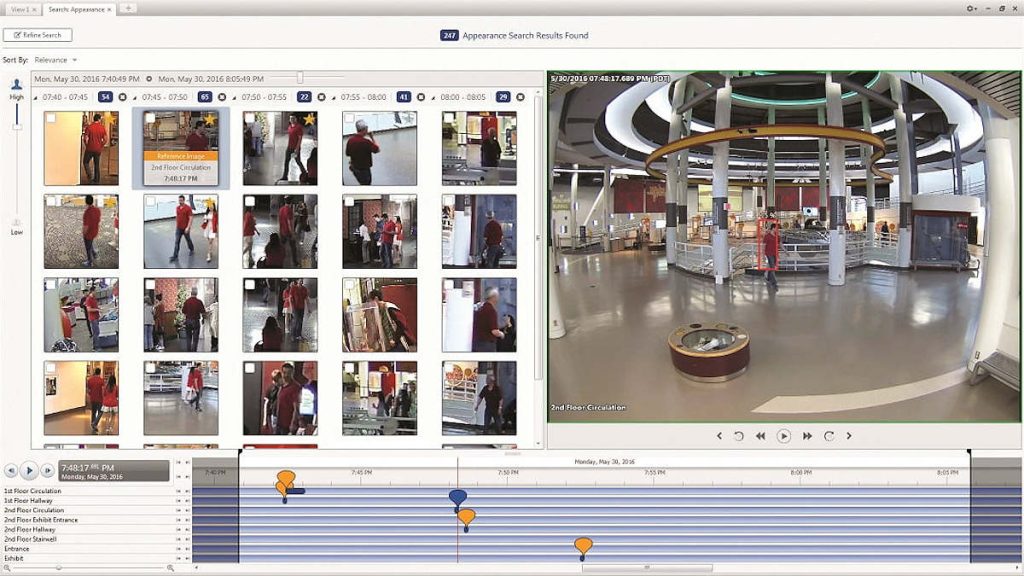
By 2016, Avigilon had expanded these capabilities with the introduction of the Appearance Search feature in ACC version 6, which allowed users to quickly locate specific individuals or vehicles across multiple cameras and timeframes, significantly enhancing the efficiency of video investigations.
Then with with ACC version 7, released in 2018, Unusual Motion Detection (UMD) arrived. UMD leverages AI to learn typical motion patterns within a scene and then detect and flag atypical movements, providing operators with a powerful agentic tool to identify unusual activities without predefined rules. Cool tech, indeed.
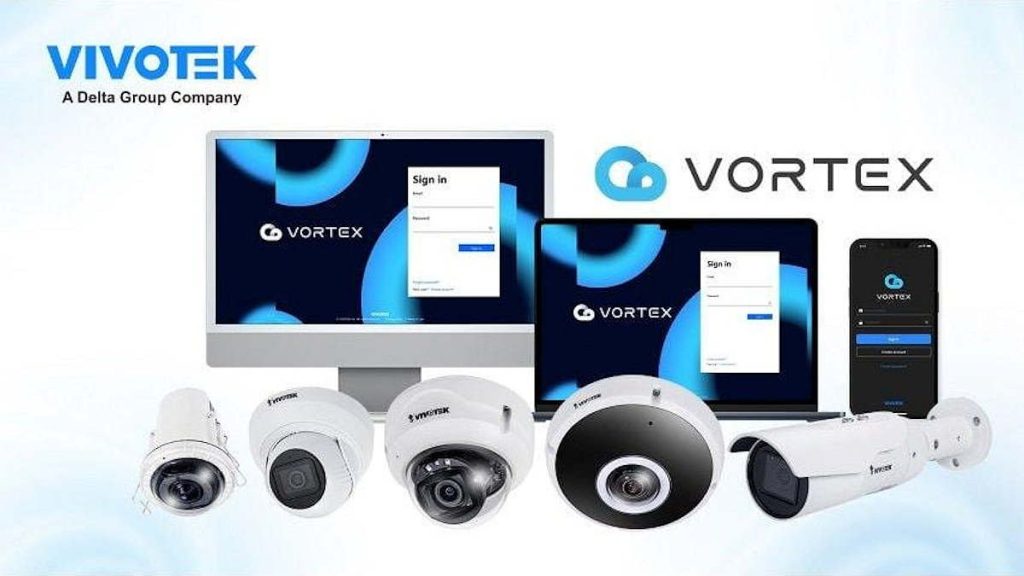
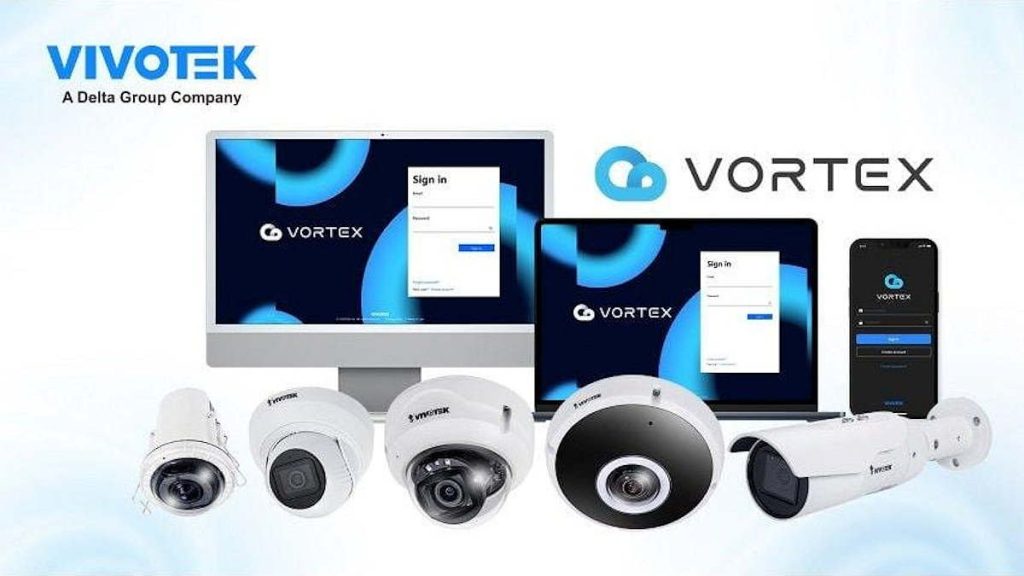
More recently, cloud services from multiple providers, including EEN and Vivotek with Vortex VSaaS, have used AI to deliver smarter video streams to managers. Here AI is acting as a powerful triage service that minimises the bandwidth required to proactively monitor large solutions remotely. These are powerful applications of the latest technology.
But before and throughout this time, monitoring stations and security control rooms have been utilising clever solutions featuring high level integrations between hardware and software that have variously allowed detection, automation and video surveillance solutions to function in ways that constitute a form of smart agency, whether these functionalities have been entirely processor/firmware/software driven or not.
One thing we think is going to be transformational is the proliferation of agentic AI functions that combine optics and sensing technologies in ways that deliver intensely reliable intrusion detection, video verification, and automated hardware and procedural notification responses to anyone – or everyone.
It’s when this stuff gets down to the baser levels of hardware that we might see a more fulsome reduction of false alarms across the wider alarms and access control base. We’ll also see smarter wireless links, and cleverer and more secure internal networks.
Agentic AI is also going to be key for monitoring stations and SOCs, where it will deliver not only quality intrusion indicators, but early responses based on predictions. Services managed thus are certain to command a serious premium and will allow endlessly pinched security service providers to do the mostest with the leastest.
Given the way the electronic security industry is evolving – the slow return to a proprietary and trusted partner model – we’d tend to argue that agentic AI will evolve in developer silos and will be expressed at multiple layers of the product stack.
We’ll see it enhance the performance of sensors, hubs, cameras, routers, servers, NVRs, access controllers and more. Agentic AI is also going to be a core feature of future management systems. Given this, it’s highly likely that the challenges of the AI handshake will accelerate the proprietary/partner trend.
What Will Electronic Security’s Next Tech Revolution Be?
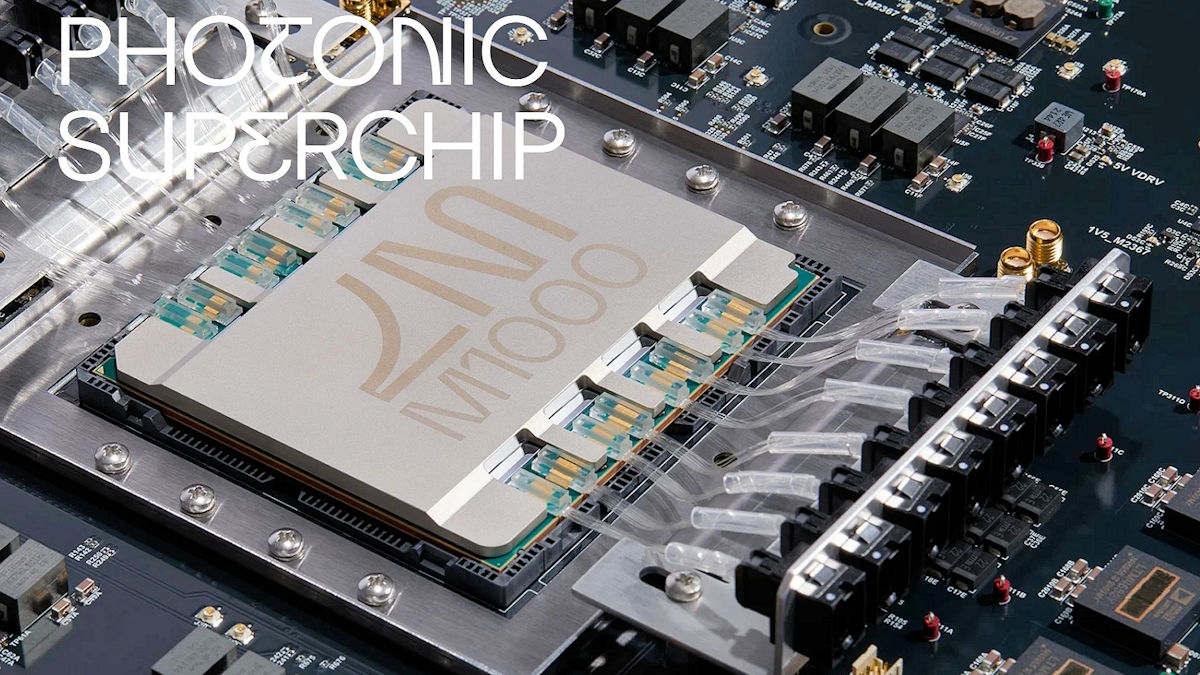
Something else that will emerge with agentic AI is the need for more powerful processors. These are likely to be modified and hardened consumer types to ensure low cost. But the key element will be that their additional processing horsepower will allow edge devices to do more work – think multisensory everything.
Obviously, multisensors as an end-to-end solution are not a giveaway proposition, but the technology inside these sensors will become cheaper and that’s going to allow enterprising engineering teams to shoehorn it under the bonnets of unexpected devices in ways that proffer ever more detailed levels of situational awareness.

This is likely to drag in power supply, comms uptime, weather reports, barometer readings, air quality, audio events, news reports, proliferations of emergency calls – a future hive-mind AI that trawls enterprise data flows to ascertain trends based on almost anything conceivable. The best way to do this at scale is by employing retrieval augmentation generation – we know we’re trading in vapourware, but these speculations sidle up to significant truths.
Given the electronic security industry has been increasingly computerised, automated, networked and hungry to get its teeth into digital’s bleeding edge since the 1970s, we think wholesale integration of agentic AI fuelled by services like NVIDIA NeMo is going to enhance and empower our systems and security teams, not decimate them with the imposition of cost-cutting automation.
Agentic AI can’t clamber down a cable and rush onto the street in defence of people and property – only humans can do that. The same applies to the interface between events and procedures – this is something that requires the human touch, though emergency evacuations and site-wide and district-wide lockdowns and signage management are an area where agentic AI could definitely help.
We also like the idea of the interrogation of residential, SME and enterprise solutions by maintenance and management teams. Obviously, this is something that many systems are already doing automatically, but the ability to organically interrogate an entire security installation right down the last sensor in real time offers powerful oversight and more proactive enterprise management, as well as being super awesome. Being able to ask an integrated security solution to identify maintenance requirements or areas of developing risk will be a wonderful thing.
The biggest developments are sure to come in that area where AI already operates with great success – video analytics in small, large and enterprise applications. There, it can detect humans and vehicles and assess their movements. The interface between cameras and response is going to be the most interesting, in our opinion – especially when you bring in the world’s huge installed camera bases and empower them with the capacity to learn, predict, notify and respond.
You can learn more about NVIDIA NeMo here or read more SEN news here.
“What Will Electronic Security’s Next Tech Revolution Be In SEN’s Opinion?”