




In SEN’s opinion, what are the strengths and weaknesses of the different door closer types used in access control systems – would you agree door closers are a vital component?
A: Door closers are a key element of an access control solution – they’re as important as secure readers, secure communications, or any other component of the system, when it comes to ensuring a seal, given that without them, an entry cannot be secured.
Most door closers are spring-loaded and incorporate a mechanism that creates tension powerful enough to close doors completely after they are opened, while not being so strong that opening doors is impossible for cardholders of less than average strength.
The mechanism attached to the spring which assists door closing is called the arm and there are 2 main categories: concealed and surface-mount. Concealed closers are usually integrated into the door and designed for a flush appearance. Because of the nature of the closer installation, they’re challenging to install, adjust and service. Being built into the frame means door and frame must be perfectly balanced, and must remain balanced, which can be difficult to achieve. Replacing hardware with these types of closers, usually involves the manufacturer, and requires integrators to work within very close tolerances.
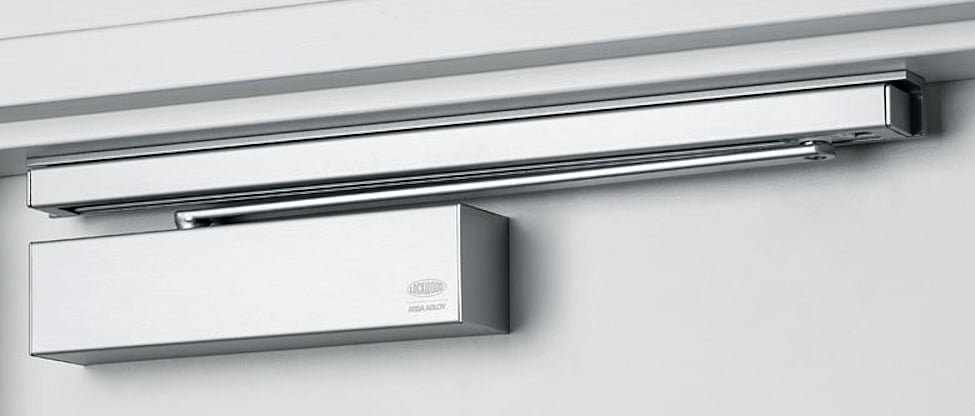
Surface mounted door closers are more popular. There are 3 types; parallel-mounted, top mounted and regular mounted. The most popular are top jamb and regular. The top jamb style is simply a regular arm installed upside down. Regular arm and top jamb door closers can tolerate wide tolerances in door play. They’re typically installed on the interior side, so as to reduce tampering weather damage, and to enhance appearance of the door.
Meanwhile, parallel surface mount door closers have an arm that slides parallel to the door, rather than perpendicular. These can be difficult to service because they too, require a very well-balanced door. These closers are ideal for applications when a jamb-mounted closer must be installed on the weather side or when flush mounting is desirable. They are considered to be more weather resistant, because they don’t have a protruding arm, meaning the mechanism can be shielded by the doorframe, or a roofline.
#securityelectronicsandnetworks.com