




We’re wondering whether we can link 2 sections of leaky coaxial cable to create a single long zone in a perimeter security application?
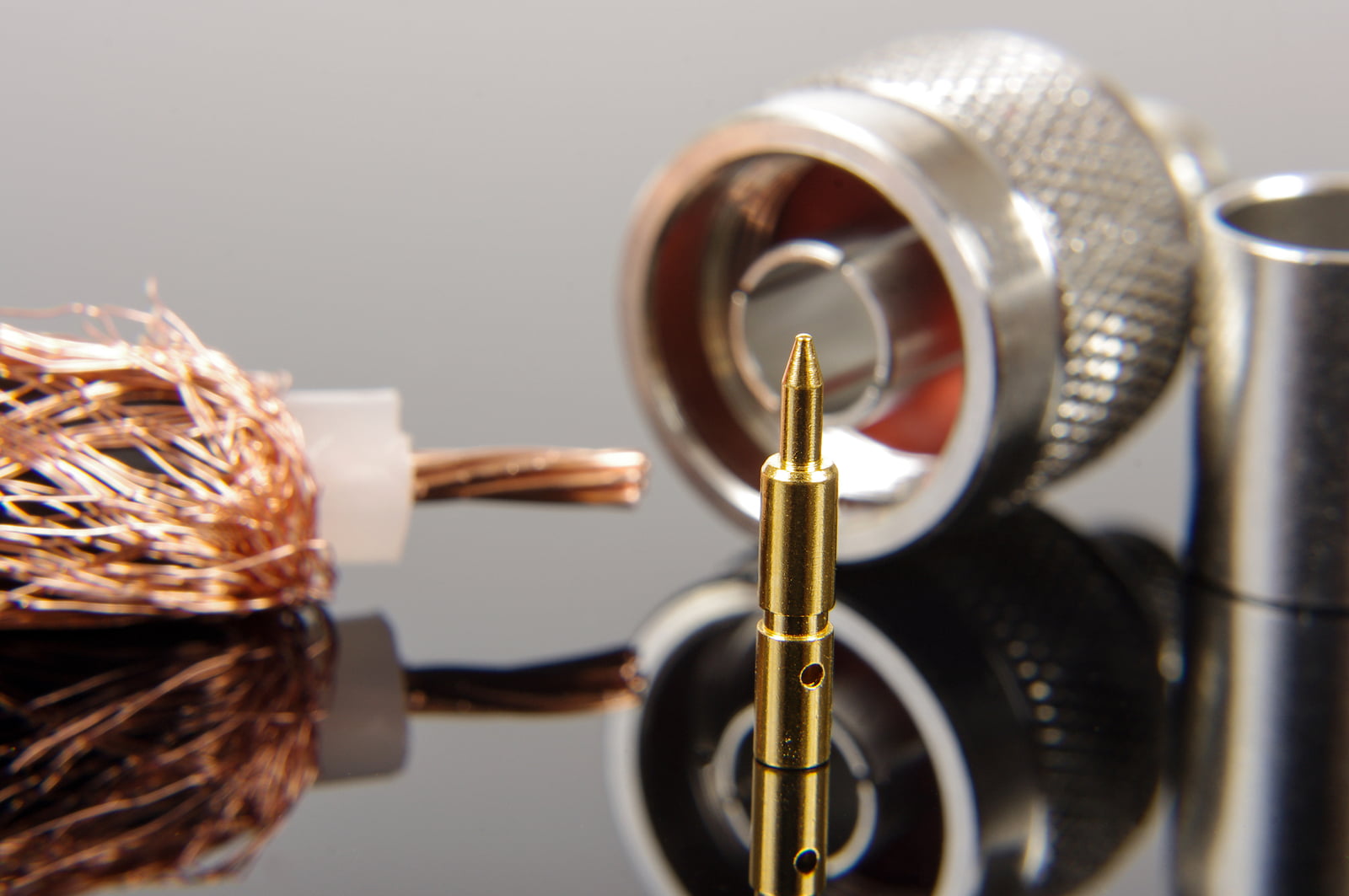
A: This is a tricky one. Leaky coax – or ported coaxial cable sensors – are ordinary coaxial cables installed in pairs. Holes milled into the external shield of transmission cables allow a predictable spill of low frequency electromagnetic energy into the environment which is detected by receive cables. When the consistent electromagnetic signals in the sensor circuit established by calibration during commissioning are disrupted by intrusion, a controller generates an alarm event.
Bear in mind, the milled holes in the cable shield increase in size the greater the distance from transmitter to receiver – typically these are at the same end of the cable run. This means linking 2 cables with different aperture sizes may interfere with the required signal strength at the far end of the run and could lead to false alarms. Having said this, if the cables are co-directionally coupled, with transmitter and receiver at opposite ends of the pair, then port sizes are consistent along the run.
Side-stepping these issues, we’d be thinking about using the 2 cable lengths as separate zones rather than trying to join them into a single monster run. Standard leaky coax runs are huge anyway – up to 300 metres. Trying to respond meaningfully to events along a 600m zone in anything other than a helicopter is going to be a major pain.
#securityelectronicsandnetworks.com