




Low Power Wireless Device Installation – Range, Reliability And Real-World Constraints.
Low Power Wireless Device Installation – Low power wireless devices are becoming standard fare across residential and small commercial intrusion detection, fire and environmental monitoring applications and there’s no second guessing why – they are quick to install and they are increasingly reliable.
However, their performance depends less on headline specifications than on installation technique and an understanding of how radio behaves in real environments. Quoted ranges of up to 2500 metres are achievable under controlled conditions, sure, but we’ve not experienced those conditions ourselves. In typical sites, performance is defined by structure, elevation, interference, power management and system design and is likely to be significantly less.
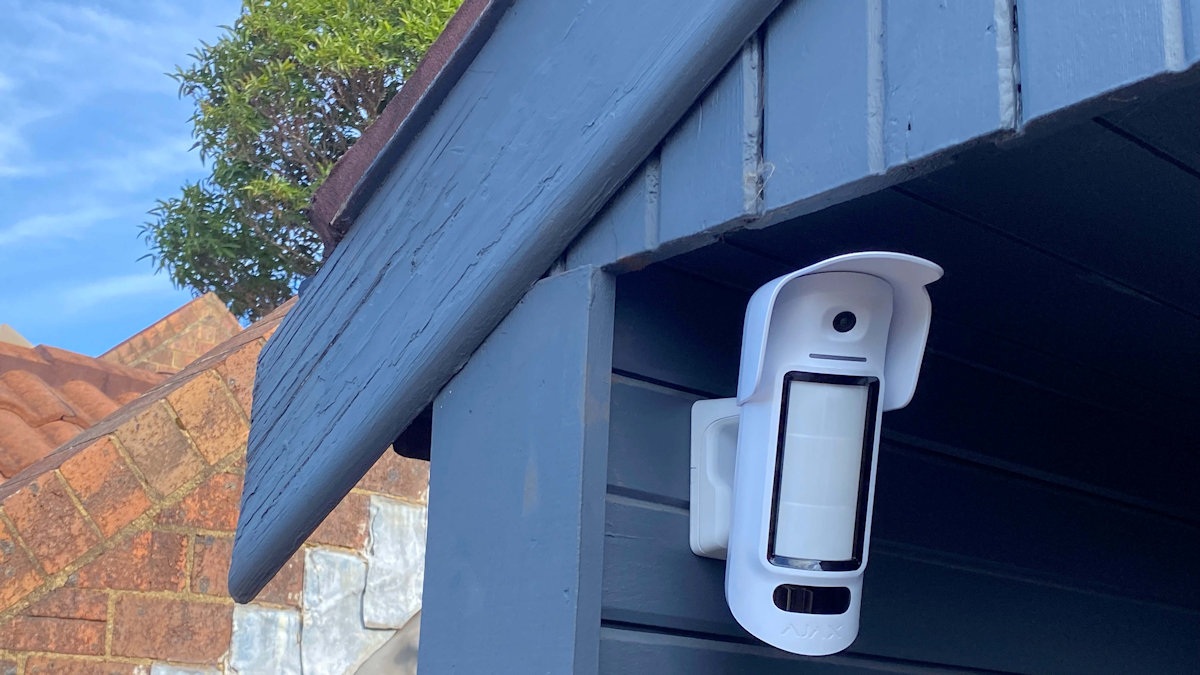
Elevation has a direct impact on link reliability. Mounting a device higher increases line of sight and reduces ground reflections and absorption. Devices installed at ceiling height or above door frames will generally outperform units mounted low on walls or behind furniture. In external deployments, clear elevation above fences, vehicles and landscaping can materially improve range. Conversely, devices mounted inside cabinets, risers or behind metal surfaces will experience immediate and significant attenuation.
Building structure is the dominant factor. Reinforced concrete, metal cladding, foil-backed insulation and lift shafts all reduce signal strength. Each wall or floor introduces a layer of loss, and cumulative attenuation quickly erodes range. Modern commercial buildings with dense services, cable trays and plant rooms create complex RF environments. In these spaces, a theoretical range of hundreds of metres can collapse to tens of metres. It’s not easy to pick. Long corridors may support propagation, while dense partitioning may break it.
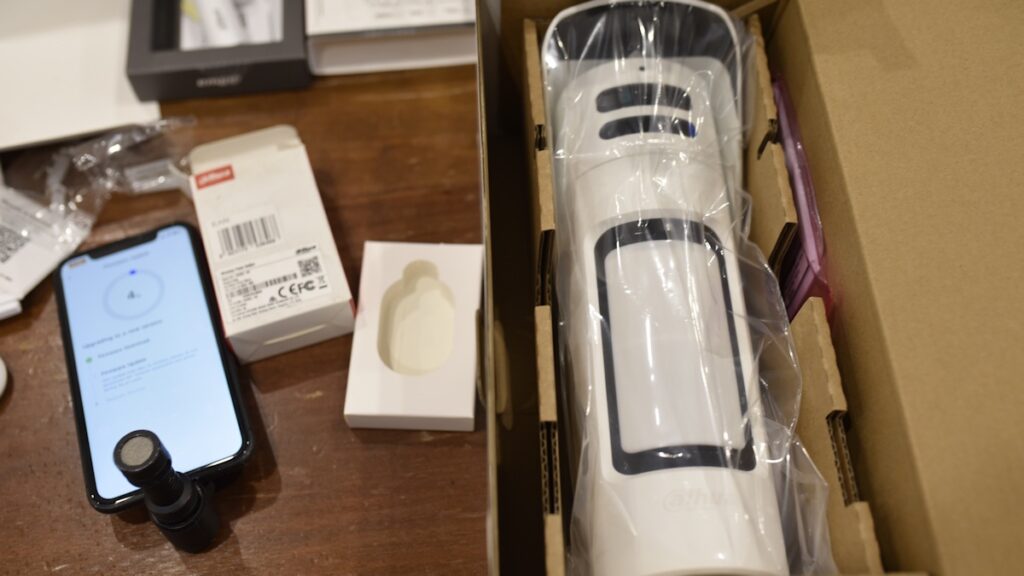
Site complexity adds variability. Warehouses with racking, stock movement and forklifts introduce dynamic obstructions. Hospitals and campuses combine multiple building types, services and competing wireless systems. External areas with mixed terrain, vegetation and structures create multi-path effects where signals reflect and cancel. Stability of the link is as important as raw signal strength. Intermittent paths caused by moving objects or changing conditions can be harder to diagnose than complete loss.
Water is a significant absorber of RF energy. Large bodies of water such as tanks, pools and reservoirs attenuate signals, particularly when the path crosses or runs parallel to them. High humidity and wet surfaces can also increase loss. In industrial environments, water tanks, process vessels and even dense vegetation can degrade performance. Where water is present, path planning and device placement become critical. From an installer’s point of view, walk testing a site becomes a seriously important element of building-in reliability overhead.
Electrical noise is a constraint that’s often underestimated. Switchboards, variable speed drives, generators, solar inverters and large motors can introduce interference. Poorly earthed systems and long parallel cable runs can increase noise coupling into devices. Meanwhile modern wireless protocols, which include error correction and frequency management, mean persistent noise reduces effective throughput and increases retransmissions, impacting battery life.
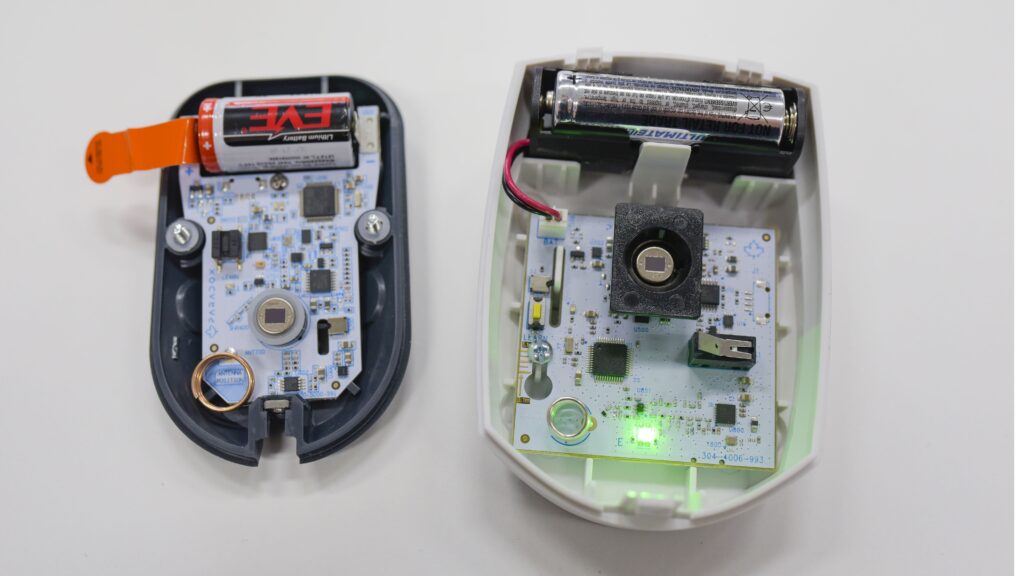
Frequency selection influences behaviour. Systems operating around 433MHz generally offer better penetration through walls and structures due to the longer wavelengths. This can provide more consistent performance in dense buildings. However, the 433 MHz band is typically more crowded with legacy devices such as remotes and simple sensors, which can increase interference. Security implementations at this frequency vary widely and may rely on simpler protocols which are less secure.
Systems operating around 900MHz offer a strong balance between range and data capacity. They support more robust modulation schemes, better coexistence mechanisms and, in many cases, stronger security frameworks including encrypted communication. The shorter wavelength compared to 433MHz means slightly reduced penetration through heavy structures, but overall reliability can be higher due to improved protocol design and noise resilience. Battery performance depends on duty cycle and transmission strategy rather than frequency alone, but efficient protocols at 900MHz can reduce retransmissions and extend operational life.
As we mentioned earlier, quoted maximum ranges require careful interpretation. Figures such as 2500 metres typically assume clear line of sight, minimal interference, optimal antenna orientation and elevated mounting positions. This may correspond to open rural environments or long, unobstructed areas. In suburban or urban deployments with mixed structures, realistic ranges are often a fraction of the headline figure. A conservative design approach is to validate links at 25 to 50 per cent of quoted maximums unless site conditions are known to be favourable. Walk testing will tell you.
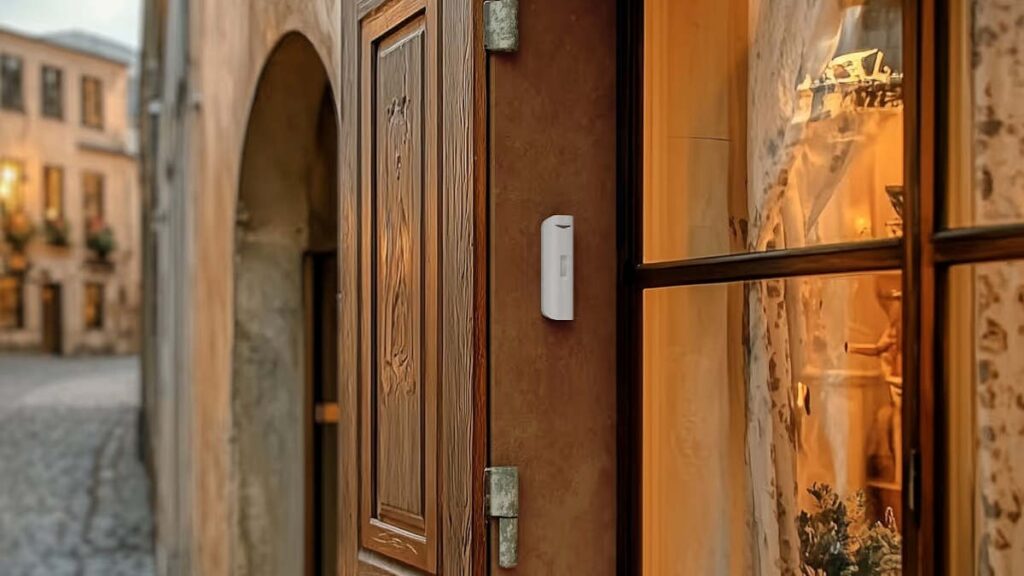
Antenna orientation and polarisation are other areas that are frequently overlooked. Devices with internal antennas are super sensitive to mounting orientation. and may demand you keep an open mind about sensor positioning when the application requires very specific coverage. Consistent alignment across devices improves link quality.
Where external antennas are used, correct selection and placement can materially extend range – you want gain to be balanced against coverage pattern. High-gain antennas narrow the beam and may create coverage gaps if not aligned correctly – how you manage this depends on what you are trying to do.
Power management affects reliability – low power devices extend battery life by limiting transmission time and frequency. At the same time, poor signal quality increases retransmissions, which accelerates battery depletion. Devices operating at the edge of coverage may appear functional, but they will definitely chew power at a higher rate and they will fail earlier. Designing for strong, stable wireless links improves reliability and maintenance intervals – link stability is more important than range in SEN’s opinion – and in the opinion of monitoring station operators, too.
Security considerations are tied to protocol and implementation – that means they come down to product choice. Modern systems should use encrypted communications with mutual authentication to prevent replay and spoofing attacks. Open or lightly protected systems – these are more common in older 433MHz systems – present a higher risk in exposed environments. Conversely, frequency hopping or adaptive channel selection can improve both security and resilience to interference – it helps devices using 433 and in the 900MHz range.
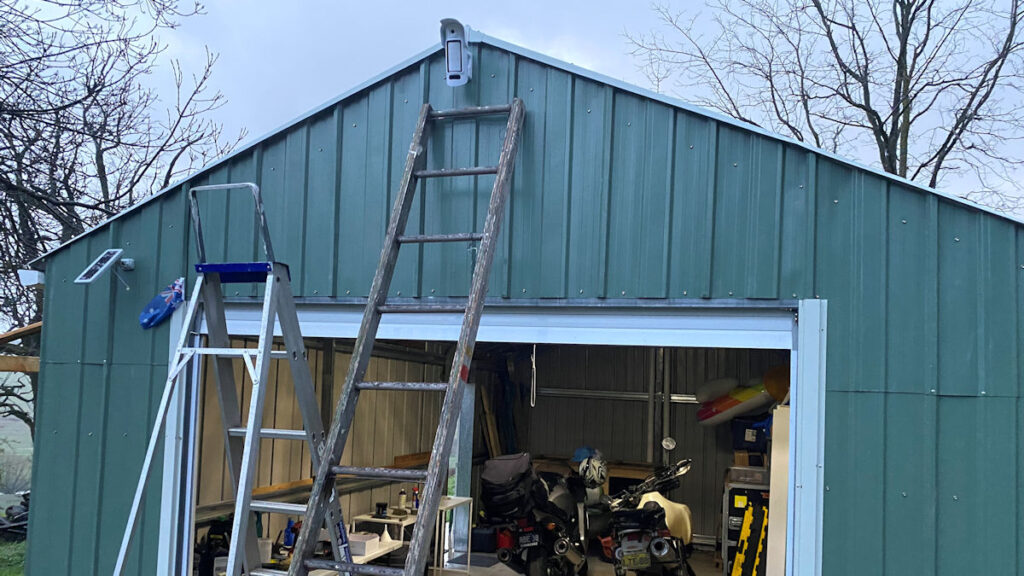
You need to have a care for installation discipline. What that means is that before you go whacking devices in take a walk and be sure they can be mounted clear of metal surfaces, away from major noise sources and at consistent heights while still meeting your client’s operational needs. Critical comms paths should be tested at different times of day during commissioning – your client will test them otherwise.
Obviously, redundancy improves resilience in complex sites but there are multiple ways to attain it. In larger deployments, repeaters or mesh-capable devices may be required to maintain coverage without overextending individual links. An installation might also include more sensors to ensure range is not stretched too fine.
While writing this into our minds eye swam images of security sensors but the same goes for keypads, smoke and fire sensors, flood sensors, video doorbells, wireless intercoms and all the rest. Some of these devices – keypads and video doorbells – will live closer to the hub. But that doesn’t mean it’s not important to have an awareness of potential noise and nulls that may lurk on the site you’re securing.
Wireless systems save time – there’s no question. But some of that saved time should be reinvested in system planning to ensure best the outcomes for your client’s site and for your reputation.
You can learn more about a wireless alarm system here or read more SEN news here.
“Low Power Wireless Device Installation – Range, Reliability And Real-World Constraints.”