




Avigilon Visual Alerts Deliver Smarter Security Monitoring For Intelligent Security Operations.
Avigilon Visual Alerts Deliver Smarter Security Monitoring – According to BGW Technologies’ Avigilon Product Manager, Peter Ha, artificial intelligence continues to reshape the security industry, with integrators increasingly seeking solutions that move beyond passive monitoring and towards more proactive, intelligent security operations.
“One of the latest Avigilon features supporting this shift is the Visual Alerts powered by the Avigilon AI Appliance 2X”, says Ha.
“Working alongside the Avigilon Network Video Recorder and Avigilon Unity software, the solution allows operators to create highly specific visual alerts using natural language prompts, helping simplify analytics configuration while expanding what video systems can detect, the technology represents a step forward for both integrators and end users,” explains Ha.
“Traditionally, video analytics have focused heavily on detecting people and vehicles,” Ha says.
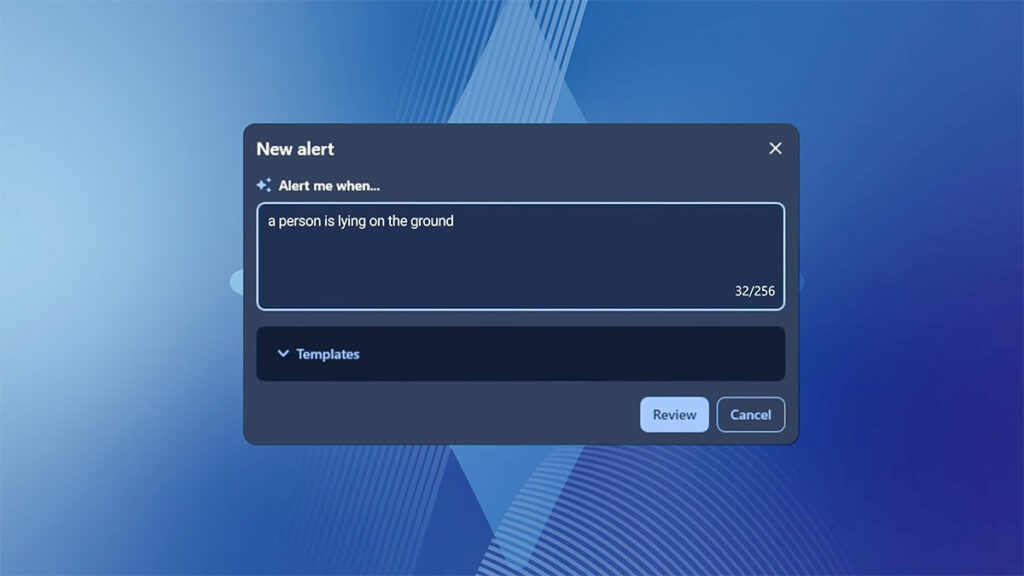
“Visual Alerts expands that capability by allowing operators to define far more specific scenarios using natural language. Rather than manually configuring rules camera by camera, operators can simply type what they want the system to monitor.
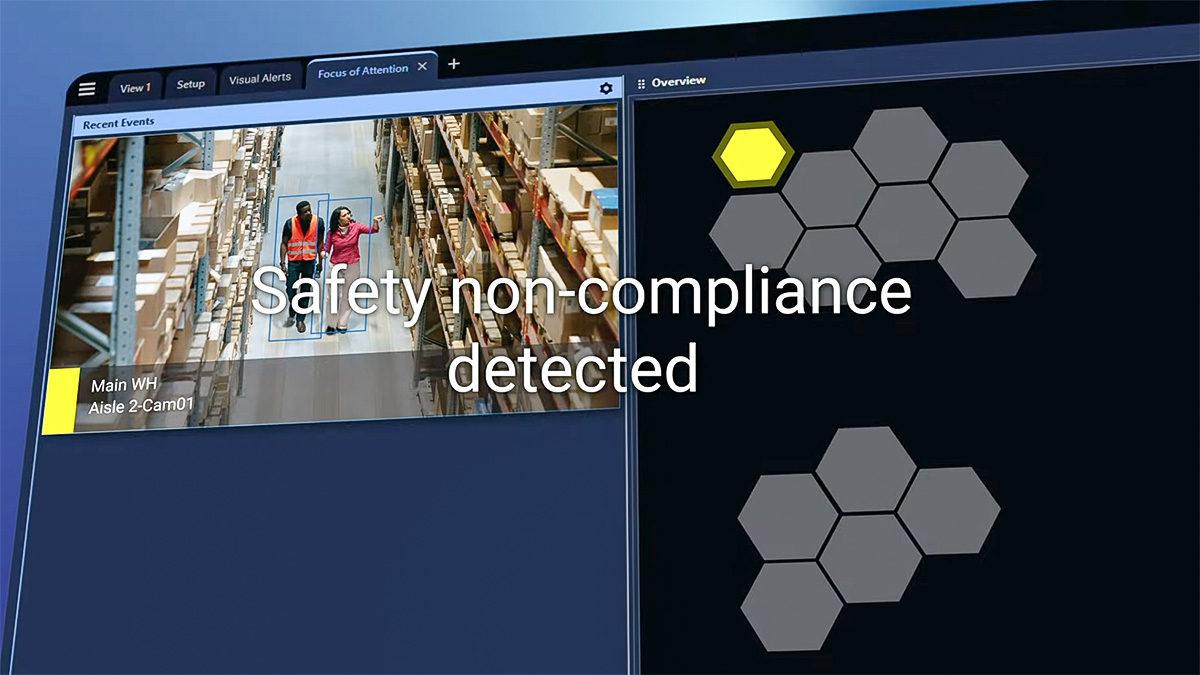
“This could include incidents such as oil spills, smoke or fire detection, patient falls, unauthorised access to restricted areas or unusual activity within specific zones. For larger sites, that can dramatically reduce the amount of time spent setting up analytics.
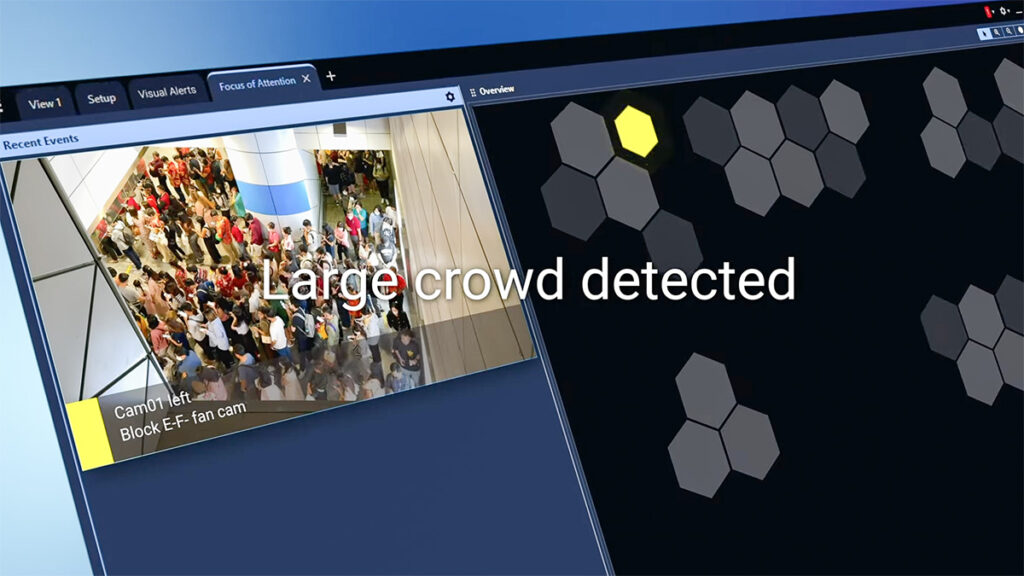
According to Ha, what this means is there’s no need to rely on complex rules engines or for configuring every camera individually. The user experience becomes much faster and far more intuitive.
“The other thing integrators have to be mindful of these days is privacy and cybersecurity, these are major considerations for many organisations,” says Ha.
“Customers are excited about the possibilities AI brings, but they also want confidence that their data is staying secure. Keeping the generative AI processing entirely on-premise helps address those concerns while still delivering advanced functionality.”
Beyond simple notifications, the system can also trigger automated workflows including email alerts, live camera call-ups, alarms and escalation procedures, helping operators respond more quickly to developing incidents.
“Visual Alerts allows users to turn insights into action,” Ha explains. “The system is not just identifying an event — it can help initiate a response workflow immediately.
“The flexibility of the technology is also creating opportunities outside traditional security environments. Industries such as healthcare, logistics, warehousing, manufacturing and critical infrastructure can all benefit from AI-driven monitoring tailored to operational safety and compliance requirements.
“As customer expectations continue to evolve, integrators are looking for smarter ways to deliver value using existing infrastructure,” says Ha.
“Visual Alerts gives them another tool to modernise systems and provide more proactive outcomes without needing to replace everything already installed.”

Available through BGW Technologies, the Visual Alerts capability is powered by 100 per cent on-premise generative AI, meaning all processing remains local to the site rather than relying on cloud-based services.
For more information on Visual Alerts and the Avigilon AI Appliance 2X, contact your local BGW Technologies branch for more information. You can watch a video about Visual Alerts here, find contact details here or read more SEN news here.
Key Benefits of Visual Alerts
- Natural language alert creation powered by generative AI
- Detection beyond traditional people and vehicle analytics
- 100 per cent on-premise AI processing for improved privacy and security
- Faster site-wide alert configuration
- Automated workflows including alarms, email notifications and live views
- Suitable for security, safety and operational monitoring applications.
“Avigilon Visual Alerts Deliver Smarter Security Monitoring For Intelligent Security Operations.”