CSIRO Physical Security Upgrade Planned For Canberra Deep Space Communication Complex.
CSIRO Physical Security Upgrade
CSIRO Physical Security Upgrade Planned For Canberra Deep Space Communication Complex. CSIRO Physical Security Upgrade – CSIRO has floated a future physical security upgrade at the Canberra Deep Space Communication Complex (CDSCC) at Tidbinbilla outside Canberra, with the formal tender expected to be released around 31 December 2026. The current notice provides no technical scope […]
CSIRO Physical Security Upgrade Planned For Canberra Deep Space Communication Complex.
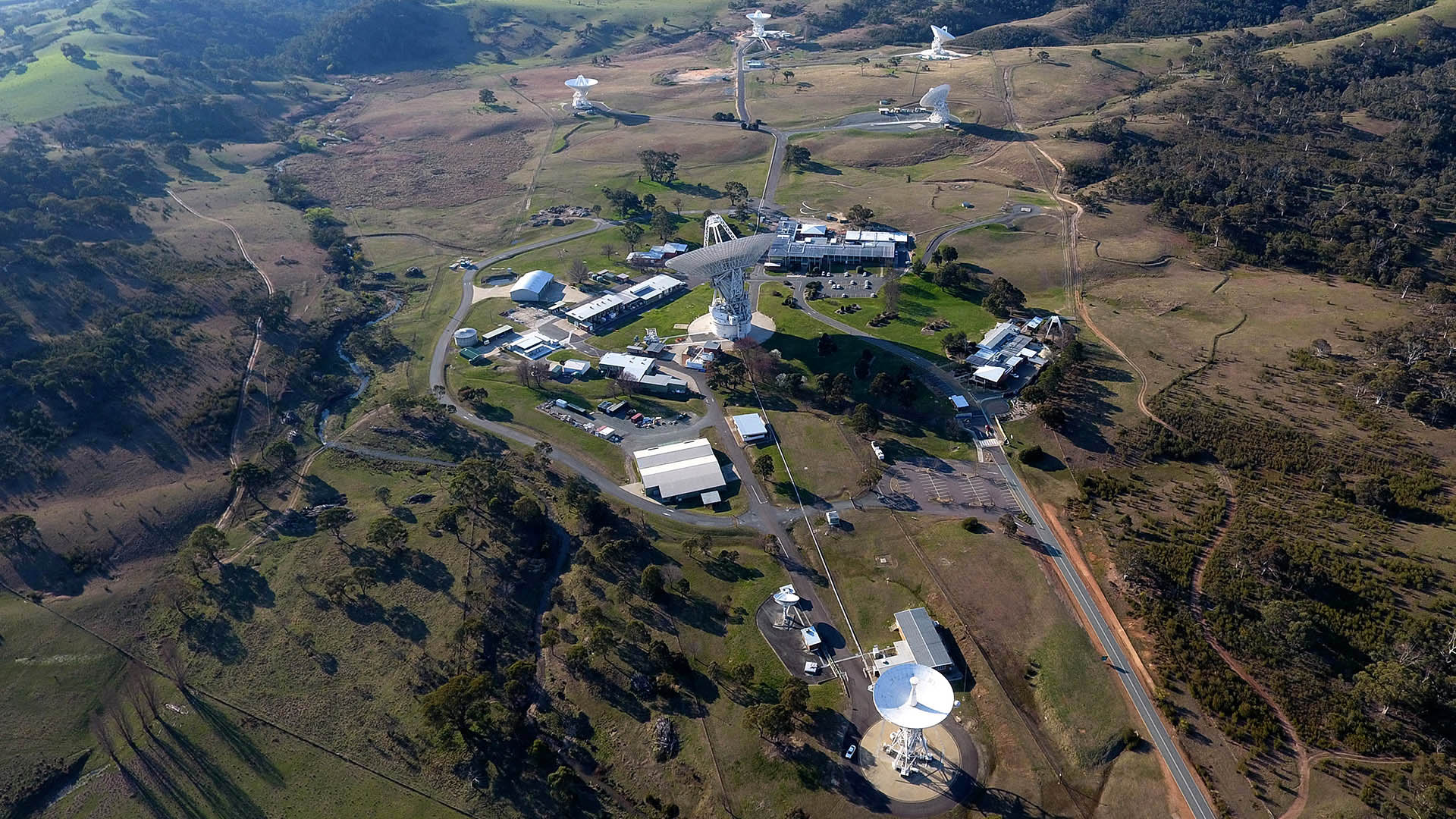
CSIRO Physical Security Upgrade – CSIRO has floated a future physical security upgrade at the Canberra Deep Space Communication Complex (CDSCC) at Tidbinbilla outside Canberra, with the formal tender expected to be released around 31 December 2026.
The current notice provides no technical scope for the upgrade, so the opportunity is primarily a heads-up for security contractors and integrators ahead of the expected release.
Source. Title, reference, category, approach quarter and contact from CSIRO’s annual procurement plan on AusTender (last updated 8 Jul 2026). The A$400,000 floor is SEN’s reading of the plan’s stated threshold, not a published estimate. Planned procurements are indicative and can be revised, withdrawn or cancelled. 31 December release as reported by SEN; dates in Canberra time.
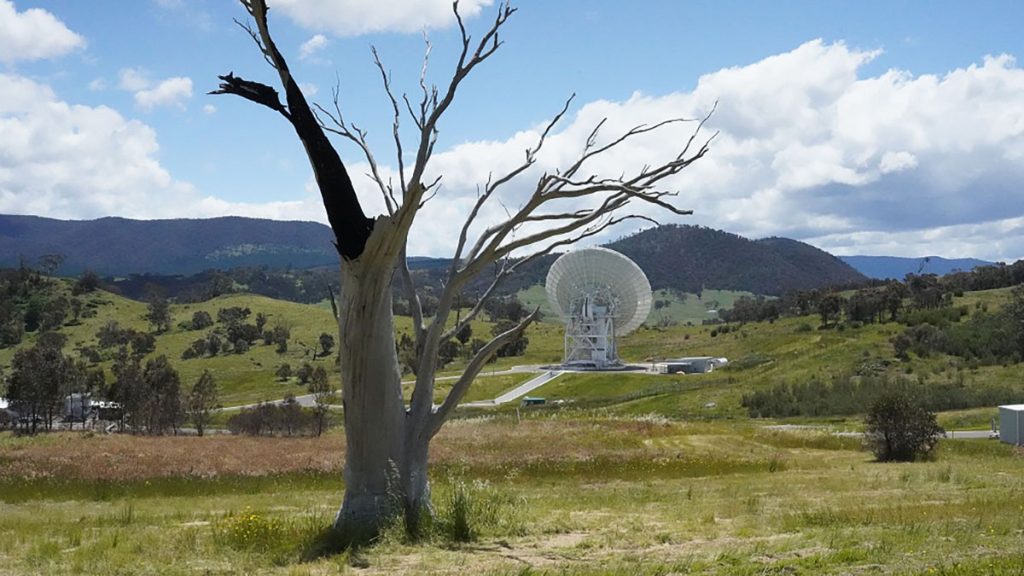
The CDSCC is one of 3 NASA Deep Space Network stations worldwide, alongside facilities at Goldstone in California and Madrid in Spain. CSIRO manages the Canberra station on behalf of the Australian Government under a government-to-government, treaty-level agreement with NASA.
The facility currently operates 4 antennas, including a 70m antenna and 3 34m antennas, providing continuous 2-way communication with more than 30 spacecraft. Approximately 90 staff support the complex’s 24-hour operation making this is a serious government operation that will require Tier 1 support.
The site at a glance
One of three stations keeping deep space in reach around the clock
Canberra, Goldstone and Madrid are spaced around the globe so a spacecraft is always in view of one of them. The physical security upgrade covers the Australian third of that network.
70 m34 m34 m34 m
Four antennas, drawn to scale. The 70 m dish is the only one that can talk to Voyager 2.
30+spacecraft in two-way contact
~90staff on site
24/7operation, under a treaty-level agreement with NASA
Not in the notice yetTechnical scopeSystems involvedContract valueSite visit or briefingSecurity clearance needs
Source. Station network, antennas, spacecraft, staffing and the NASA agreement as reported by SEN; the always-in-view spacing is SEN context. Antenna sizes drawn to scale; globe positions are schematic. The “not in the notice” list is SEN’s reading of what bidders will need from the RFT.
The Canberra station has been involved in hundreds of missions, including Apollo, Mars exploration and the New Horizons mission to Pluto. Its 70m antenna remains a critical component of NASA’s Deep Space Network being the only antenna capable of communicating with Voyager 2, which is now outside the heliosphere and about 26 billion kilometres from Canberra.
CSIRO is Australia’s national science agency and has extensive research and operational capabilities across space science, astronomy, radio astronomy, Earth observation and related technologies. It also manages the European Space Agency’s New Norcia ground station in Western Australia.
This CSIRO physical security upgrade tender is expected to drop on December 31 – you can track its orbit here or read more SEN news here.
Release window October to December 2026
Be on AusTender before the RFT drops
CSIRO’s plan puts the approach to market in the October to December 2026 quarter, so it could land before the 31 December date. Register on AusTender, watch the planned procurement, and send early questions to procurement@csiro.au.
Security & Electronics Networks - Leading the Security Industry with News and Latest Events. Providing information and pre-release updates on the latest tech and bringing it all to you daily. SEN News has been in print for over 20 years and has grown strong as a worldwide resource in digital media.