




Eye Protection Critical For Security Technicians And Electrical Technicians.
Eye Protection Critical For Security Technicians – Electrical technicians working across installation, service and fault-finding environments face a consistent and underestimated risk to eyesight, particularly when working on live or recently energised systems.
No different to ladder work, challenges to eye safety are part of the workflow in electronic security and electrical work, whether mounting devices, terminating cables or troubleshooting faults. Managers, supervisors and techs should be aware that eye injuries can be sudden, severe and permanent. Protective eyewear is not optional and must align with Australian standards governing personal protective equipment and electrical safety practices.
In Australia and New Zealand, eye protection is governed by AS/NZS 1337, which sets out requirements for occupational eye and face protection, including impact resistance, optical clarity and coverage. Electrical work itself is guided by AS/NZS 3000, supported by Safe Work Australia guidance, which requires risk assessment and appropriate PPE selection based on the hazard profile.
The risks to eyes in electrical work environments are varied. Arc flash is the probably the most serious, producing intense light, heat and pressure capable of causing permanent eye damage or blindness. Even low-voltage systems can generate arcs during fault conditions.
In environments where arc flash risk exists, arc-rated face protection compliant with relevant standards is required, often integrated into broader PPE systems including helmets and clothing.
Beyond arc events, technicians face hazards from flying debris during drilling or cutting of metal or masonry, especially overhead, cable strands, dust ingress, chemical exposure from batteries and cleaning agents, and accidental contact with tools or components at close range.
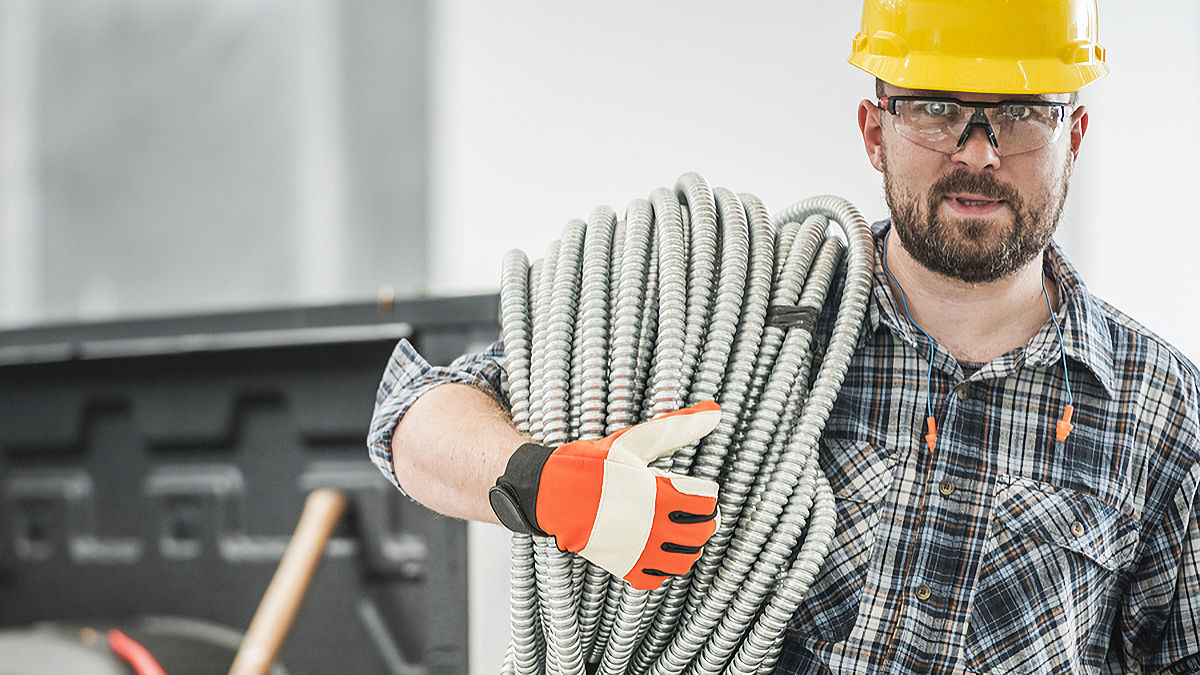
Eye protection must match these risks. Safety glasses with side shields are the baseline requirement for most installation work, protecting against dust and debris. For higher-risk tasks, including drilling, grinding or working near live systems, sealed goggles or face shields are best.
Lens selection is another consideration, and many techs will opt for multiple sets of eye protection. Clear lenses are best for indoor work, especially when it gloomy and your eyesight is challenged, while tinted or polarised lenses may be used outdoors to reduce glare.
Anti-fog coatings are important in humid or enclosed environments, while scratch-resistant coatings extend service life. Poor visibility leads to mistakes, so maintaining optical clarity is as much a safety issue as physical protection. It will also impact on the quality of your work – better work means a more reliable system.

Fit and comfort are critical. Poorly fitting eyewear is often removed or adjusted during work, increasing exposure risk. Adjustable frames, lightweight materials and compatibility with other PPE, such as helmets and hearing protection, all contribute to compliance in the field. Prescription safety glasses may be required where technicians need corrective lenses – that’s a whole other thing.
There’s a behavioural component to all of this. Technicians often remove eye protection for quick tasks or when visibility is compromised, or just because they are annoying or uncomfortable to wear – often this is when incidents occur. Same as height work, discipline is required – if risk is present, protection must be worn – no exceptions.
Maintenance of protective eyewear is straightforward but often overlooked. Scratched or damaged lenses reduce visibility and should be replaced. Dirty lenses increase eye strain and reduce hazard awareness. Eyewear should be kept in protective cases when not in use to prevent damage.
From a compliance perspective, employers and contractors are required to provide appropriate PPE, training and supervision. Failure to do so exposes organisations to regulatory action and increases the likelihood of injury. Serious eye injury will expose an organisation to serious penalties, so make sure proper procedures are in place and are being followed.
Eye protection in electrical environments is not complex but requires consistent application. The hazards are well understood, the standards are clear, and the equipment is readily available. Like most safety measures, it comes down to planning, selecting the right equipment and using it every time risk is present – whether you want to wear it or not.
You can learn more about AS/NZS 1337 here or read more SEN news here.
Eye Protection Critical For Security Technicians Features:
- Compliant eyewear meeting AS/NZS 1337 requirements
- Impact-resistant lenses with side protection
- Arc-rated face protection for higher-risk electrical work
- Anti-fog and scratch-resistant coatings
- Comfortable, secure fit compatible with other PPE
- Clear or tinted lens options depending on environment
- Regular inspection, cleaning and replacement of damaged eyewear.
“Eye Protection Critical For Security Technicians And Electrical Technicians.”