



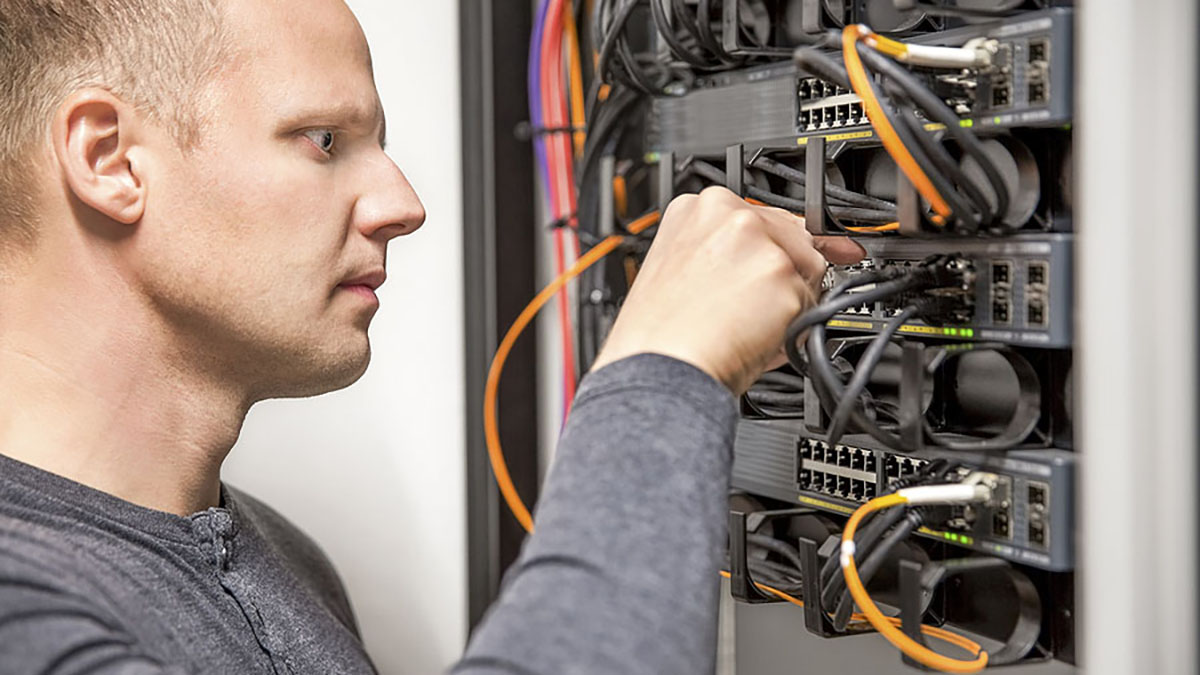


Security Installers Must Lean In On Networking As Rapid Change Sweeps The Market.
Security Installers Must Lean In On Networking – If you look honestly at where the industry is heading the role of the security installer is changing fast. Over the next 5 years skillsets like networking, IT and cybersecurity capability will be baseline.
From an observer’s point of view, security installation is much less about installing devices than about delivering dsystems in complex, managed environments – that goes for SMEs, too. And this means understanding how networks function, not just being able to get a device online and hoping for the best.
Networks are organic creatures – odd variables can make a complete mess of networked security systems to say nothing of the weirdness that can be pushed globally to all your client’s devices by a manufacturer’s engineering team undertaking a high cadence of remote updates without real world stress testing.
At the most fundamental level, installers need to be completely comfortable working with IP-based systems. That includes proper handling of IP addressing, subnetting and VLANs, along with an understanding of how DHCP and static addressing strategies affect long-term system stability.
Little things that used to be brushed off as quirks – overlapping IP ranges, double NAT, devices sitting on the wrong VLAN, or discovery traffic failing across subnets – are now the points where systems fail. Customers are running segmented networks with defined policies, and if security techs can’t quickly identify why a device isn’t reachable or visible, they’re not really troubleshooting but throwing a hail Mary pass or relying on someone else.
Putting aside QR codes for alarm system setup, device discovery has become more complicated as networks have matured. Systems no longer sit on flat networks where everything can see everything else. Broadcast traffic is often restricted, and common discovery protocols don’t behave the way security installers expect.
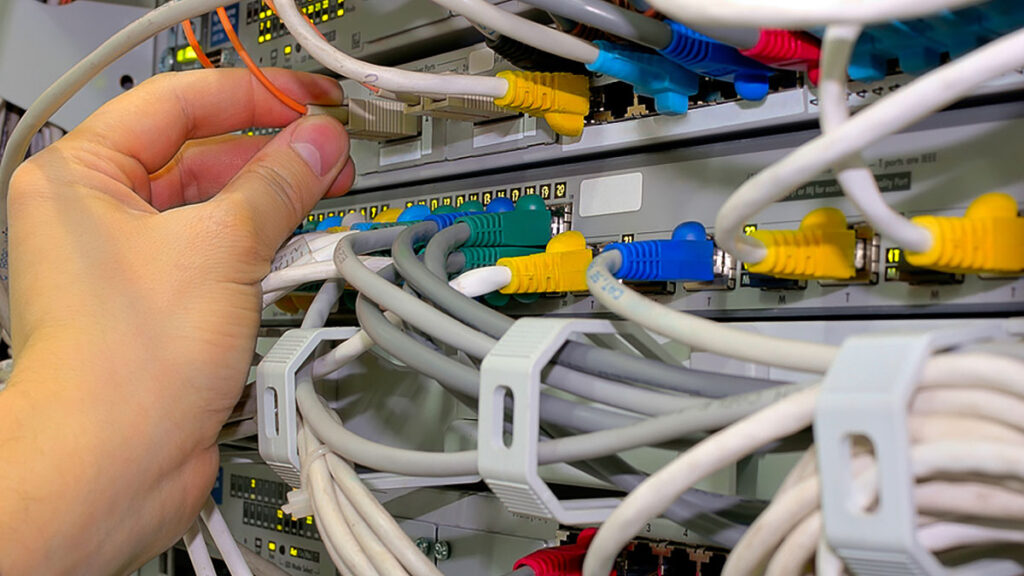
Understanding how protocols like ONVIF, mDNS and SSDP work is essential. Installers need to be comfortable manually identifying devices, interpreting MAC and IP relationships, and using proper tools to understand what is happening on a network. If you can’t see the device properly, you can’t secure or integrate it.
At the same time, remote access has shifted from being a convenience to being a requirement. Customers expect systems to be managed, diagnosed and maintained without constant site visits. That means installers need to understand secure remote access properly, including VPNs, cloud onboarding and remote device management.
The old approach of opening ports on a router is increasingly unacceptable. Systems need to be deployed in a way that aligns with modern IT expectations, where access is controlled, auditable and secure. If you can’t support a system remotely, you quickly become expensive to the customer.
It might sounds like a reach but we think cybersecurity now sits directly inside the security installer’s scope, whether they want it there or not. Security systems are networked devices, and that makes them potential entry points. Installers need to understand device hardening, firmware management, secure communications and authentication methods.
More importantly, security techs need to understand how their system fits within the customer’s broader security posture and to plan their systems accordingly. That means working with IT teams, not around them, and being able to explain why systems need certain levels of access. The days of treating security systems as isolated are over, and installers who can’t operate within IT frameworks will find themselves excluded from serious projects in the future.
Security Installers Must Lean In On Networking
Artificial intelligence is adding another layer of complexity, but not in the way the torrents of glib marketing suggests. It’s not just about analytics. AI is changing how systems are searched, how events are interpreted and how decisions are made.
Installers need to understand where processing occurs, whether at the edge, on servers or in the cloud, and what that means for bandwidth, latency and system design. There is also a growing need to understand the limitations of AI, including how it can fail or be manipulated.
You don’t need to build AI systems, but you do need to understand what they are doing and where they can go wrong. You also need to be fully across how AI functionalities can deliver operational imperatives – not only for your client but for you, too.

As we all know, integration is becoming the default expectation rather than a specialist capability of Tier 1 integrators. Security systems are increasingly melded with access control, video, intrusion, intercoms and broader building systems. That means installers need to understand how systems communicate, even if they’re not arm-wrestling Python.
Familiarity with APIs, event flows and integration constraints is critical, because this is where projects often break down. Protocols like ONVIF have a part to play, but there is growing use of REST APIs and messaging frameworks such as MQTT, particularly as systems move closer to IoT-style architectures. That doesn’t even bring in the complex partner integrations between various manufacturers.
Wireless technologies, including Wi-Fi 6, are also becoming more common, but they introduce their own challenges. Wireless can be a shortcut, but it requires careful planning around coverage, capacity and interference. Poorly designed wireless links can undermine solid systems. Installers need a working understanding of RF behaviour, access point placement and device density to ensure reliability, particularly as more devices are added to networks over time.
Automation and orchestration – conducting is more apt – are also starting to shape how systems behave. Increasingly, security platforms are expected to trigger actions, integrate with workflows and respond dynamically to events. This requires a shift in thinking from simply installing devices to designing system behaviour. Understanding how events are generated, passed between systems and acted upon is becoming part of the job.
In terms of qualifications, traditional security certifications on their own are no longer enough – that’s if techs even have those at all – let’s face it, many don’t. A solid grounding in networking, equivalent to something like CCNA-level knowledge, along with a basic understanding of cybersecurity principles is needed. Vendor certifications still matter, particularly for major platforms, but they need to be supported by real understanding. Familiarity with cloud environments is also becoming more relevant as systems shift from premise.
The overall direction is clear – and we’re only going to accelerate towards a networked ending. The security installation role is shifting from installer to integrator, as well as towards something closer to a systems tech and operator than a cable tugger. And all this is going on in an industry where electronic security qualifications barely exist.
That means you must undertake your own education and/or the education of your team, supported by authentic in-house governance based on quantifiable standards. It doesn’t sound very possible, does it. But given there are no standards, there’s no real education, there’s little compliance and little licensing governance, what else are you going to do?
You can learn more about networking training courses here or read more SEN news here.
“Security Installers Must Lean In On Networking As Rapid Change Sweeps The Market.”