


Briscoes Group Trialling Facial Recognition Technology Across Multiple New Zealand Stores.
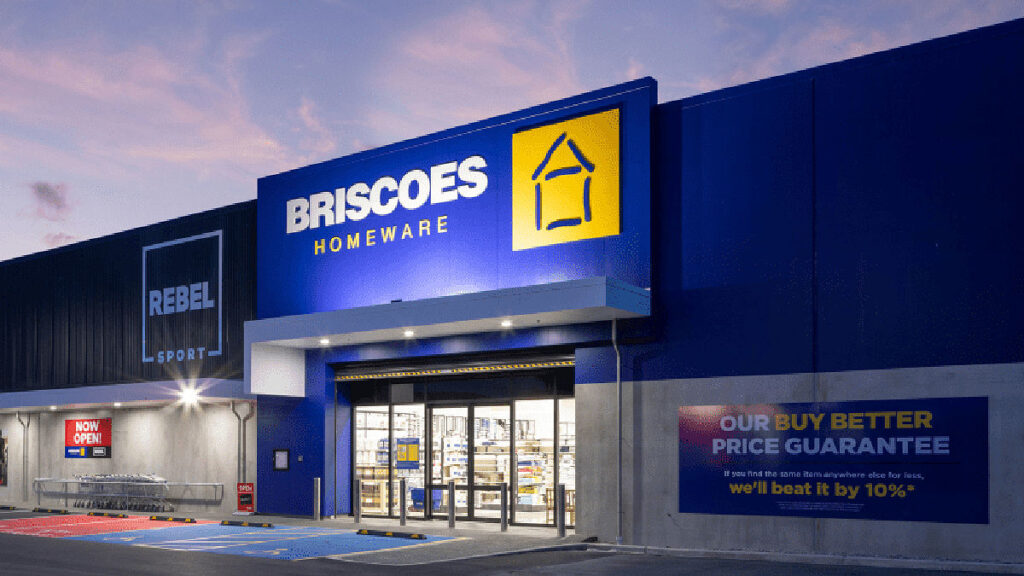
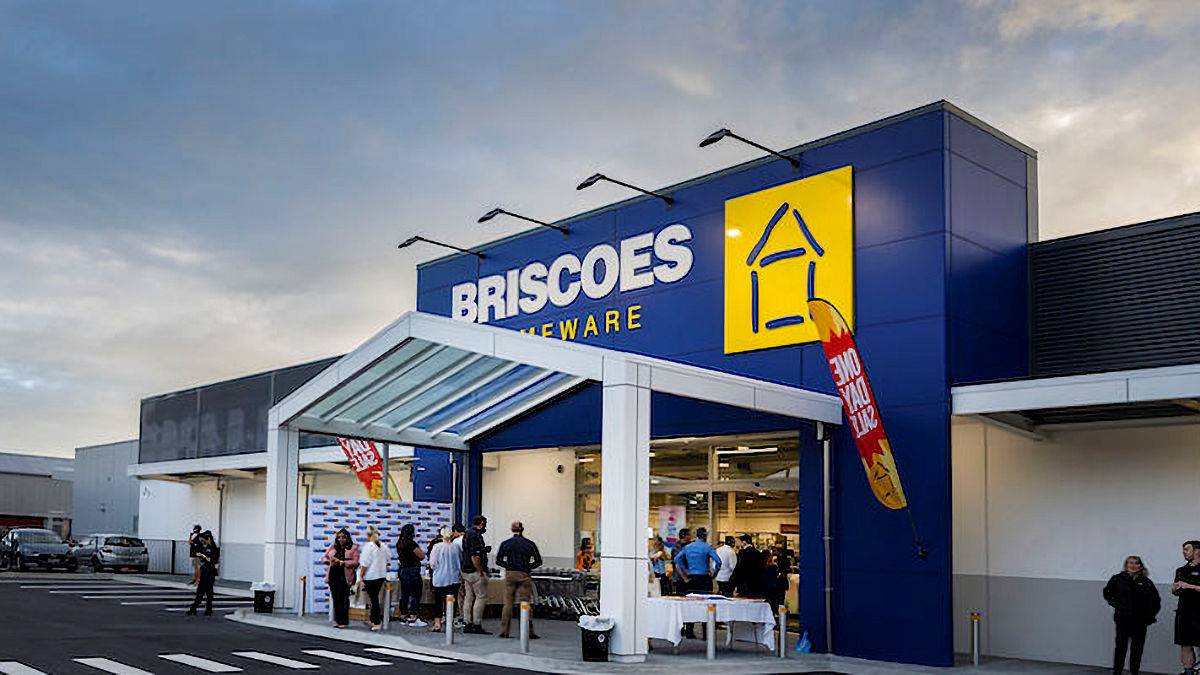
Briscoes Group Trialling Facial Recognition Technology – Facial recognition technology is gaining wider traction in New Zealand retail, with Briscoes Group confirming a year-long trial across 18 Briscoes and Rebel Sport stores in the North Island, which began in September 2025.
The move makes Briscoes the 4th major retailer to deploy or test the technology locally. Foodstuffs has already rolled out facial recognition permanently across 28 supermarkets, while Bunnings is preparing to commence a trial in 2 Hamilton stores in April. Meanwhile, The Warehouse Group, Farmers, Mitre 10, Woolworths, Spark and One NZ have indicated they are not currently using the technology.
Retail deployments are centred on safety applications. Facial recognition systems generate a biometric template of a shopper’s face and compare it against a watchlist of known offenders, with non-matching images deleted. Briscoes said its trial is focused on removing individuals who pose a risk to staff and customers, noting that any reduction in theft would be incidental. “However, this was not the reason for the FRT trial, this is about the safety of our team members and customers.”
The system Briscoes is using was developed by Auror, which launched its subject recognition capability locally in September. Auror said retailers are gaining operational experience with governance frameworks and controls designed to maintain trust while protecting staff. The platform restricts use to known high-harm offenders, prevents retention of data relating to regular shoppers, and does not share data between organisations.
Foodstuffs’ deployments are more advanced. Foodstuffs North Island is operating facial recognition across 15 Pak’nSave and 10 New World stores, while Foodstuffs South Island has completed a trial in 3 Christchurch locations. The company said only individuals who had previously been “violent, threatening or aggressive” were added to watchlists, and that rollout decisions would depend on performance, privacy outcomes and operational capability.
Meanwhile, Bunnings’ upcoming trial will operate at a defined threshold.
“The FRT system is calibrated to an accuracy level of 93 percent – meaning only matches with an accuracy rating of 93 percent will trigger an alert,” the company said.
Across deployments, retailers said systems are operated by trained staff, supported by privacy impact assessments and engagement with the Privacy Commissioner. Briscoes said signage was in place at store entrances and confirmed the system is not linked to police, with staff instructed not to approach flagged individuals directly.
The regulatory environment is evolving. A recently finalised national biometric code requires organisations to disclose collection, retention and access arrangements for biometric data, and provide mechanisms for complaints and data correction.
Following Bunnings’ announcement, Massey University marketing professor Bodo Lang warned a botched rollout of facial recognition technology could be costly for retailers – and said a business should signal its intention well before implementation.
“Many, many companies spend tens of thousands, or sometimes tens of millions of dollars in advertising to build their brand and get people in the store,” Lang said.
“So, the last thing you want to do as a business is to violate consumer trust and I think by front-footing the issue, providing transparent information, you can avoid any erosion of trust.”
Security consultant, Nicholas Dynon, said New Zealand was a laggard on research into how people felt about the tech, with just some data from the Office of the Privacy Commissioner on public attitudes towards privacy, including FRT.
“We do have some numbers, but they are very limited and they are general,” said Dynon. “What we don’t have is that sort of objective peer-reviewed understanding of how the public in New Zealand feels about FRT.”
Regardless of regulatory positions, which seem to be lagging the pace of technology, and given the expense of installing FRT, what is clear is that more and more retailers are beginning to see facial recognition as a way to reduce risk, as a way to create an atmosphere conducive to a material reduction in shrinkage.
You can read Nicholas Dynon’s article on FRT in retail environments here or find more SEN news here.
“Briscoes Group Trialling Facial Recognition Technology Across Multiple New Zealand Stores.”