




Surface Mounted Conduit Critical For Security Installations But You Need To Decide Whether To Use Metal Or Plastic.
Surface Mounted Conduit Critical For Security Installations – Surface mounted conduit is regularly used in electronic security and electrical installations, particularly in plant rooms, warehouses, car parks and external applications where concealed cabling is not practical.
Despite the importance of conduit to cable integrity, poor installation practices can introduce electrical risk, mechanical failure, water ingress and all its horrors, and security vulnerabilities. Like most things, getting conduit right is not complicated for a tech, but it requires attention to standards, materials and the installation environment.
In Australia and New Zealand, conduit installation falls under AS/NZS 3000, which governs wiring systems, mechanical protection and segregation. Installation methods, fixing, earthing and environmental protection should align with these requirements, supported by relevant product standards and manufacturer guidelines.
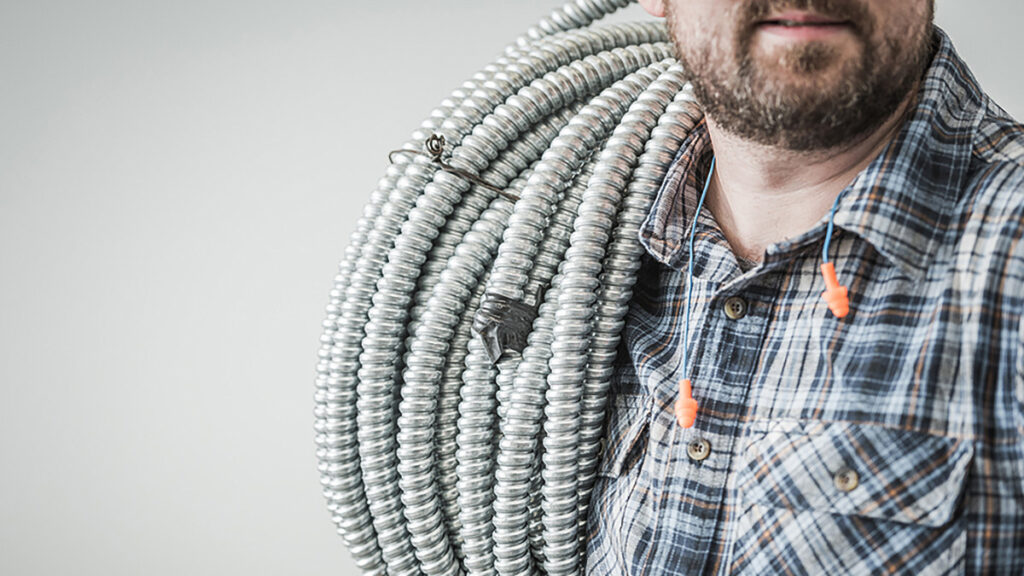
Material selection is the first decision. PVC conduit is widely used due to cost, ease of installation and corrosion resistance. However, in exposed or accessible areas, particularly at low level or in public environments, metal conduit offers way higher resistance to impact, vandalism and attack.
Poly conduit is a hammer blow away from being shards on the ground. Use it in low risk environments but bear in mind that steel conduit, particularly galvanised or stainless, provides mechanical protection and can form part of an earthed system, improving fault safety.
Where conduit is accessible, consider it part of the physical security system. PVC can be cut easily and cables accessed or damaged. In higher-risk environments, metal conduit with secure fixings and tamper-resistant fittings is a better choice. Try to cover exposed conduit with detection zones.
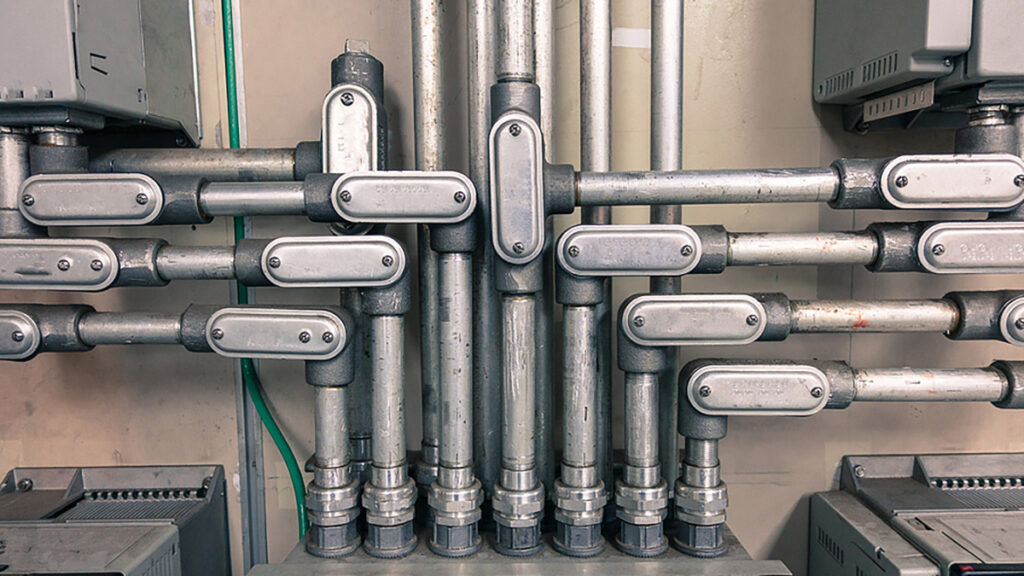
If you go with metal, earthing is a consideration. Metal conduit systems must be correctly bonded and earthed to ensure fault currents are safely conducted. Poor continuity across joints or fittings creates risk. Every connection needs to be electrically sound, not just mechanically perfect.
Water ingress is a common failure point. External conduit runs must be sealed at entry points and fittings, with appropriate IP-rated glands and junction boxes. Conduit should be installed with fall where possible to prevent water pooling, and condensation should be considered in long runs or temperature-variable environments.
Once water gets into conduit, it will track along the run and compromise terminations and devices. Moisture is the work of Satan when it comes to cabling – especially if your installation is anywhere near the coast where it will absorb atmospheric salt.
UV resistance is critical outdoors. Standard PVC conduit will degrade over time under UV exposure, becoming brittle and prone to cracking. Use UV-stabilised conduit or switch to metal in exposed environments. Degraded conduit is not just untidy, once it fails mechanically it will expose cabling.
Fixing and support spacing matter more than many installers realise. Walking around the place we often see conduits with the bare minimum of fixings. AS/NZS 3000 requires conduit to be adequately supported to prevent sagging, movement and stress on terminations.
Poor fixing leads to vibration, joint failure and long-term fatigue. In high-vibration environments such as plant rooms or near machinery, additional supports and flexible sections may be required.
Vibration also impacts connections. Locknuts, saddles and couplings should be selected and installed to resist loosening over time. This is particularly important in transport infrastructure, industrial environments and external installations subject to wind load.
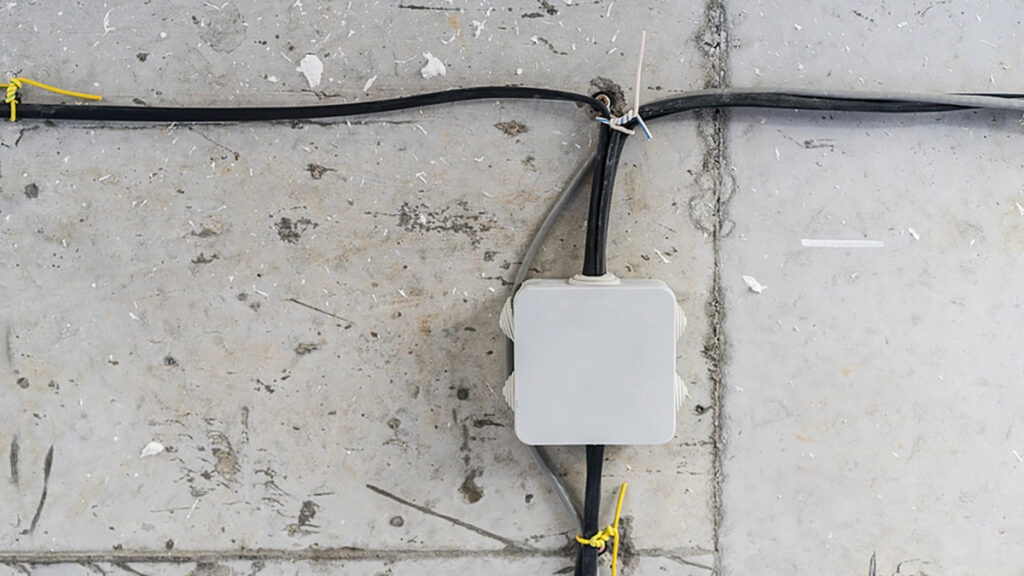
Bends and routing should be planned. Tight bends increase cable pulling tension which can damage insulation and break wire strands. Cable type impacts on capacity to handle bends but multiple tight bends mean friction and that risks cable damage. Excessive bends also make maintenance difficult. Use sensible bend ratios and limit the number of direction changes where possible.
From a security perspective, exposed conduit runs should avoid obvious attack paths. Running conduit at low level along accessible walls, across fences or near entry points creates risk. Where possible, route conduit at height, within protected zones or inside structures. Where that’s not possible, increase mechanical protection and always consider routes that are out of sight.
Installation discipline is important. Poorly cut conduit, sharp edges, misaligned joints and loose fittings all introduce risk to cables and long-term reliability. The quality of conduit installation directly impacts the quality of the system it supports.
From a compliance perspective, contractors are responsible for ensuring wiring systems are safe, mechanically protected and suitable for the environment. Failure to meet these requirements exposes organisations to regulatory action and increases the likelihood of system failure or safety incidents. This obviously covers conduits, not just cables.
You can learn about quality conduits here or read more SEN news here.
Surface Mounted Conduit Critical For Security Installations
- Surface mounted conduit features include:
- Compliant installation in line with AS/NZS 3000.
- Selection of PVC or metal conduit based on environment and risk.
- Correct earthing and bonding of metal conduit systems.
- UV-stabilised materials for external installations.
- Water ingress protection using sealed fittings and IP-rated enclosures.
- Adequate fixing and support spacing to prevent sag and vibration.
- Routing that minimises bends and avoids accessible attack paths.
- Mechanical protection suited to environment and application.
“Surface Mounted Conduit Critical For Security Installations But You Need To Decide Whether To Use Metal Or Plastic.”