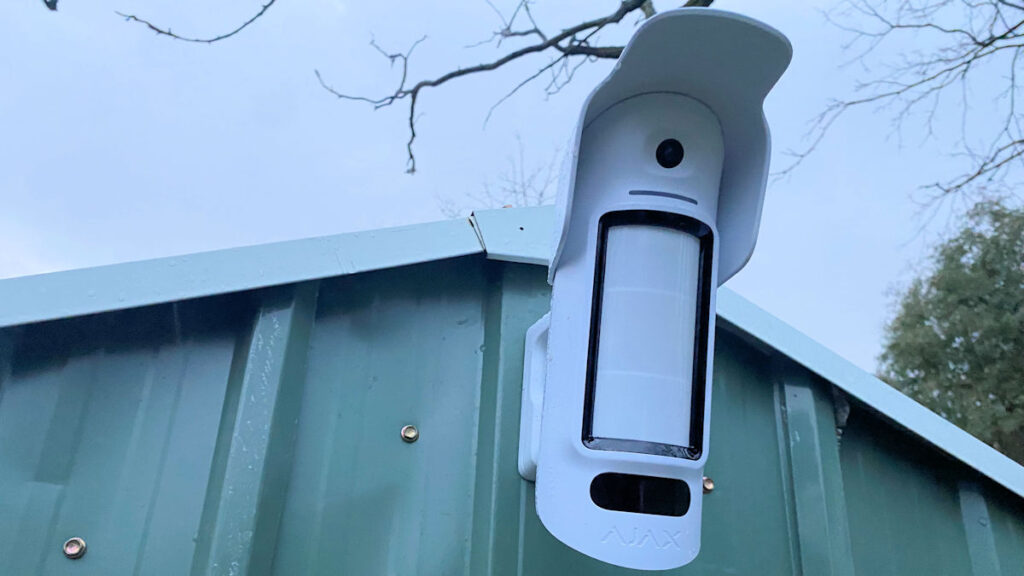



What Causes PIRs To False Alarm When Looking Into Open Space?
What Causes PIRs To False Alarm – This is an interesting question and at SEN we’re experts at installing external sensors in such a way that they’re gazing off into the distance in such a way that they will false alarm, especially on hot days.
We don’t mean to do it – sometimes it’s challenging to cover the area you want to cover using the mounting points at your disposal. This leads to compromises and these compromises test a sensor’s design limitations.
PIRs whose field of view is open tend to be more vulnerable to false alarms caused by the movement of foliage on hot days and our theory is that this is partly caused by the tendency of a PIR to be vulnerable to wide area thermal variations like hot wind because detection zones inevitably widen with distance.
This is apparent when you look at detection zone diagrams which always end very neatly at 12-15 metres. But in the real world, they sometimes don’t end so tidily and the further from the lens you go the wider these zones become.
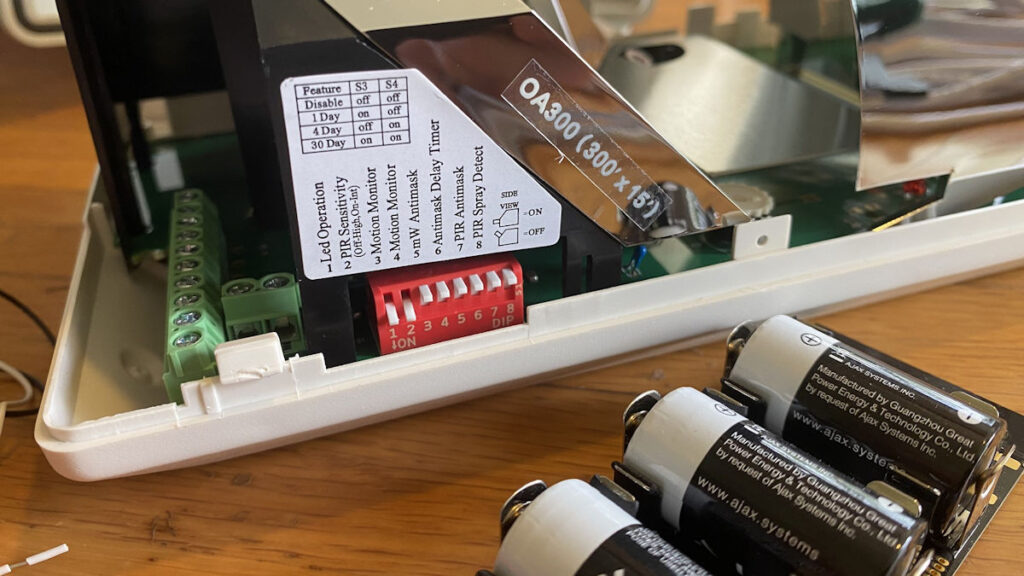
Fundamentally, a PIR detects changes in infrared energy across its field of view as an intruder breaks zones in succession at a particular speed. The sensor’s electrical circuit is optimised for thresholds indicative of the movement of a warm object.
Typically, these objects are people moving across detection zones delineated by a Fresnel lens, which focuses signals onto a pyroelectric element where they generate a small voltage that may or may not breach the sensor’s detection thresholds.
When a PIR is positioned to look out over long distances, this detection geometry becomes stretched and this causes issues because the sensor’s field of view covers a much larger area, increasing the likelihood of environmental influences.
At distance, smaller temperature variations over wide areas can trigger the sensor. These variations might be caused by shifting sunlight, cloud movement, wind-driven thermal changes, and animals. Because the sensor is measuring differential heat across zones at a threshold speed rather than forming an image, it cannot easily distinguish between a person and other sources of thermal change – a warm gust of wind for example.
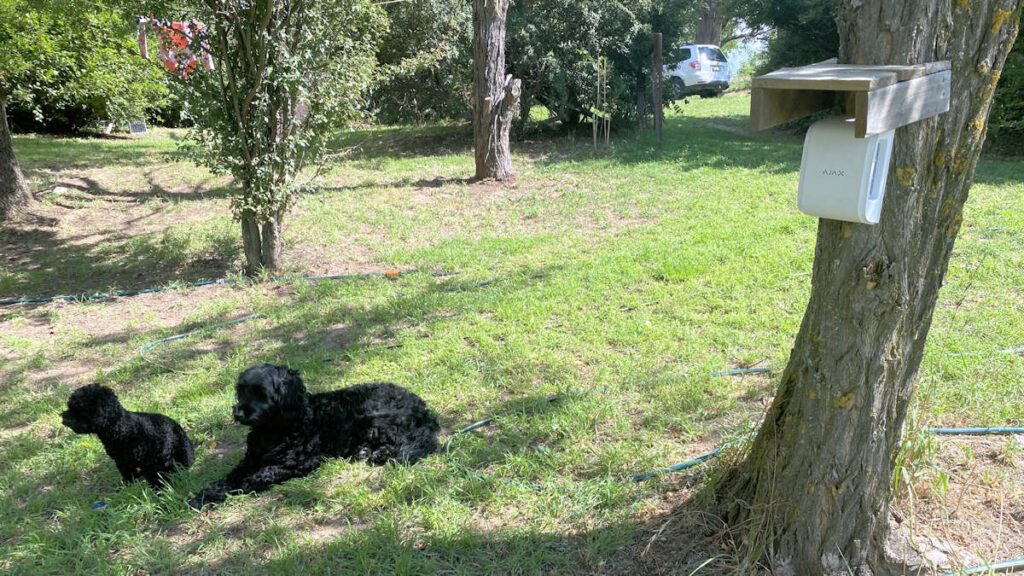
Regardless of our speculations, in practical terms PIR sensors are most reliable when configured to detect movement across the field of view at controlled distances, rather than looking out into open space – especially if that space has flailing triffids in it.
Long-range coverage demands dual technology or tri technology sensors and even these can be stretched in challenging conditions as we have often discovered.
You can find a highly capable dual technology sensor here, there’s a great curtain PIR here, or you can read more SEN news here. We should point out that in our experience the double PIR Ajax curtain protecting the puppies in the image here is highly reliable even though it does look out over distance.
“What Causes PIRs To False Alarm When Looking Into Open Space?”