




Most Common Cause Of False Alarms
♦ Most Common Cause Of False Alarms – What’s the most common cause of false alarms in hard wired alarm systems?
A: In our opinion, the most common false alarms is user error, which we’d argue includes presence of pets in the house if an alarm system is not specifically provisioned for higher thresholds than these pets generate.
When it comes to the technical side, false alarms are most commonly generated by poor position of sensors in locations which experience too much thermal variation or are subject to electrical noise. Choosing the wrong sensors is an element of this.
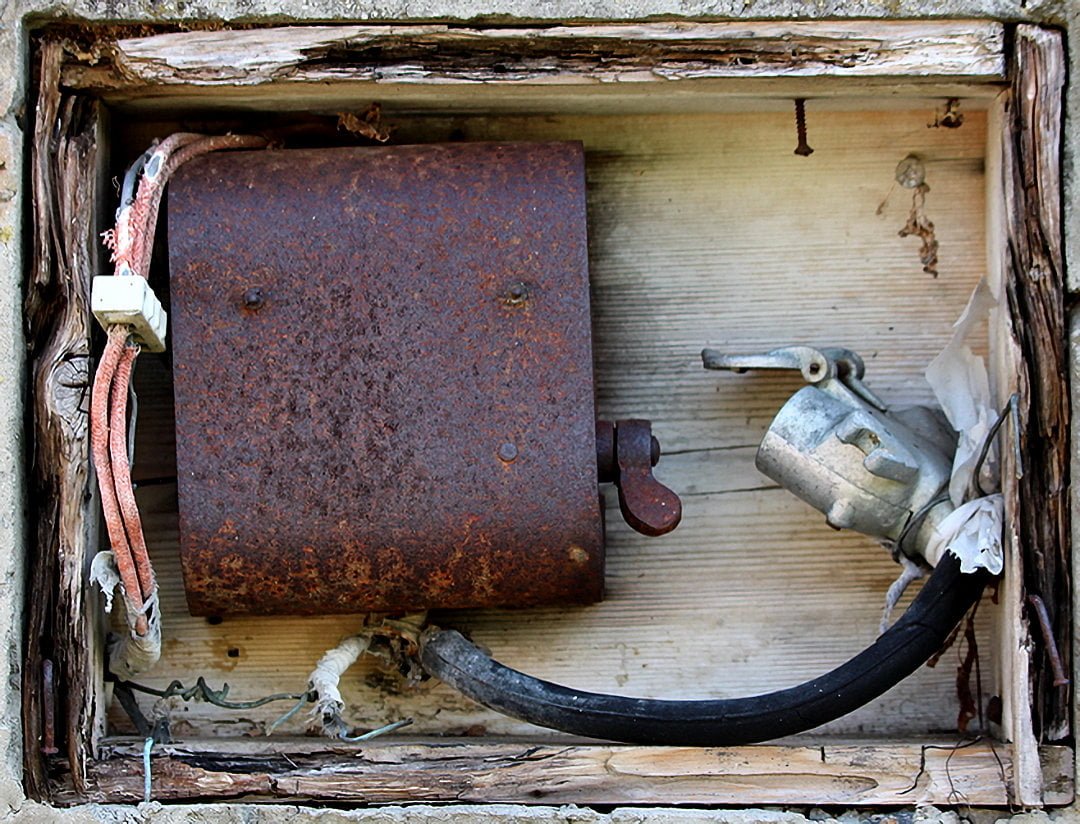
From the point of view of maintenance, false alarms are most commonly caused by opens occurring as a result of poor connections and/or corrosion build up on terminations and terminals. Oxidation is much more commonly found at termination points that were poorly installed originally.
These are usually contact terminations with wire twists held in place by screws, rather than being firmly crimped into spade connectors and treated with a corrosion inhibitor. The issue is that moist air circulating around loose terminations causes oxidation that over a period of time builds up electrical resistance that registers as an open circuit.
Making things more painful for the installer checking an elderly system is the fact there’s a good chance the total resistance of the open may be the result of a series of bad connections, each contributing a barely discernible amount of resistance to overall loop resistance.
Depending on the length of a loop, it’s sometimes worth just pulling a new cable – redoing connections or avoiding them entirely – especially if there are many splices in the cable run. Over a long period of time, corrosion, voltage drop and false alarms or trouble alarms are inevitable.
#SEN #SENnews #security #electronics