



ASIO Warns Terror Threat Setting Understates Risk, Calls For New Framework.
ASIO Warns Terror Threat Setting Understates Risk – ASIO director-general Mike Burgess has warned that Australia’s current terrorism threat level does not adequately reflect the scale and nature of the risks facing the country, arguing that the existing system fails to capture a deteriorating security environment.
According to reporting in The Sydney Morning Herald, Burgess used his latest annual threat assessment to question the effectiveness of the current classification model, which has been in place since 2014 and sits at ‘probable’.
“Probable does not tell the full story,” Burgess said. “The next level on the scale is expected, which applies when we have intelligence about a specific attack. We do not.
“But we do know the environment is degrading and acts of politically motivated violence are becoming more likely than probable suggests.”
Burgess indicated that the issue is structural rather than situational, noting that the existing framework was not designed for the type of threat landscape now emerging.
“I do not believe the system was designed for a situation like the one we now face,” he said.
The implication is that while Australia remains at ‘probable’, meaning a greater than 50 per cent chance of a terrorist attack being planned or conducted within 12 months, the nature of the threat has shifted beyond what that classification was intended to describe.
Burgess said ASIO is working with the Federal government on revising the framework, signalling that a new system of categorisation may be required to better communicate risk and support decision-making.
Operationally, the concern is not simply the likelihood of a specific attack, but the broader environment in which politically motivated violence is becoming more common, less predictable, and more difficult to categorise within existing thresholds.
“We do know the environment is degrading,” Burgess said.
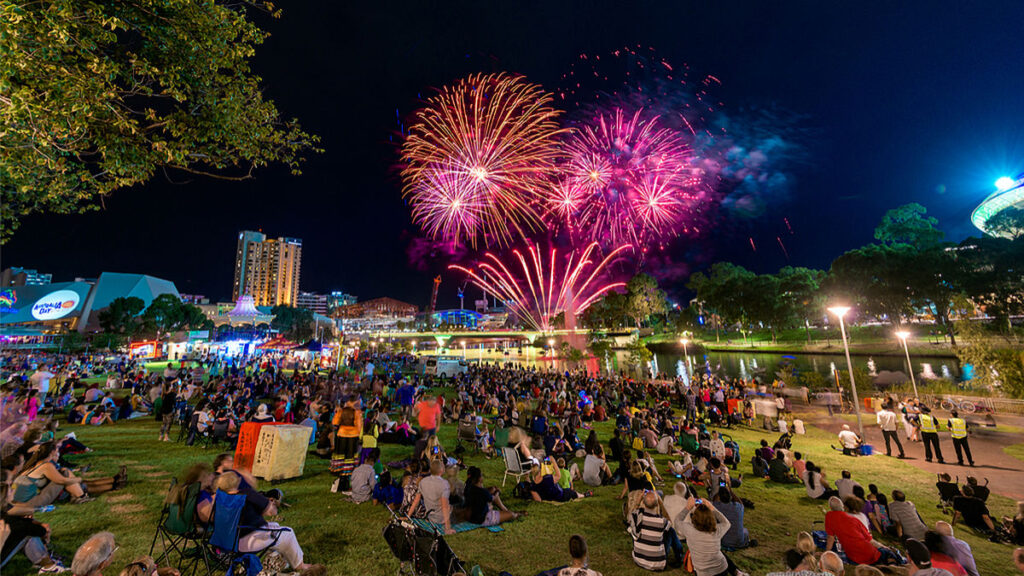
From a security industry perspective, this aligns with a shift away from singular, high-confidence threat scenarios towards a more persistent, diffuse risk of incidents, including the potential for mass casualty events in public and semi-public spaces.
In his threat assessment Burgess warned of a “realistic possibility” that groups active overseas could extend their activities to Australia, including acts of arson, vandalism or targeted violence. At the same time, he acknowledged the limits of intelligence and prevention.
For security installers, integrators, consultants and end users, the key takeaway is that the threat environment is not only elevated but evolving in ways that are not fully reflected in official settings.
In practical terms, this places greater emphasis on system design, layered protection and operational readiness across environments where large numbers of people gather.
Guidance in this area is already available through the federal government’s crowded places security framework, which outlines risk mitigation strategies including surveillance coverage, access control, hostile vehicle mitigation, communication systems and incident response planning.
As Burgess’ comments suggest, the challenge is no longer simply identifying whether an attack is likely but preparing for a range of scenarios that sit outside traditional threat definitions.
If the current ‘probable’ setting understates the risk, as Burgess argues, then system design and operational planning need to move beyond baseline assumptions, particularly in environments where the consequences of failure are highest.
The review of the threat level system now underway is likely to focus on how risk is communicated across government, industry and the public, with a view to better aligning classification with the complexity of the current threat landscape but for security people Burgess’ comments need to inform operational response.
You can find the ANZCTC strategy document here, learn about protecting businesses and crowded places from terrorism here, or find more SEN news here.
“ASIO Warns Terror Threat Setting Understates Risk, Calls For New Framework.”